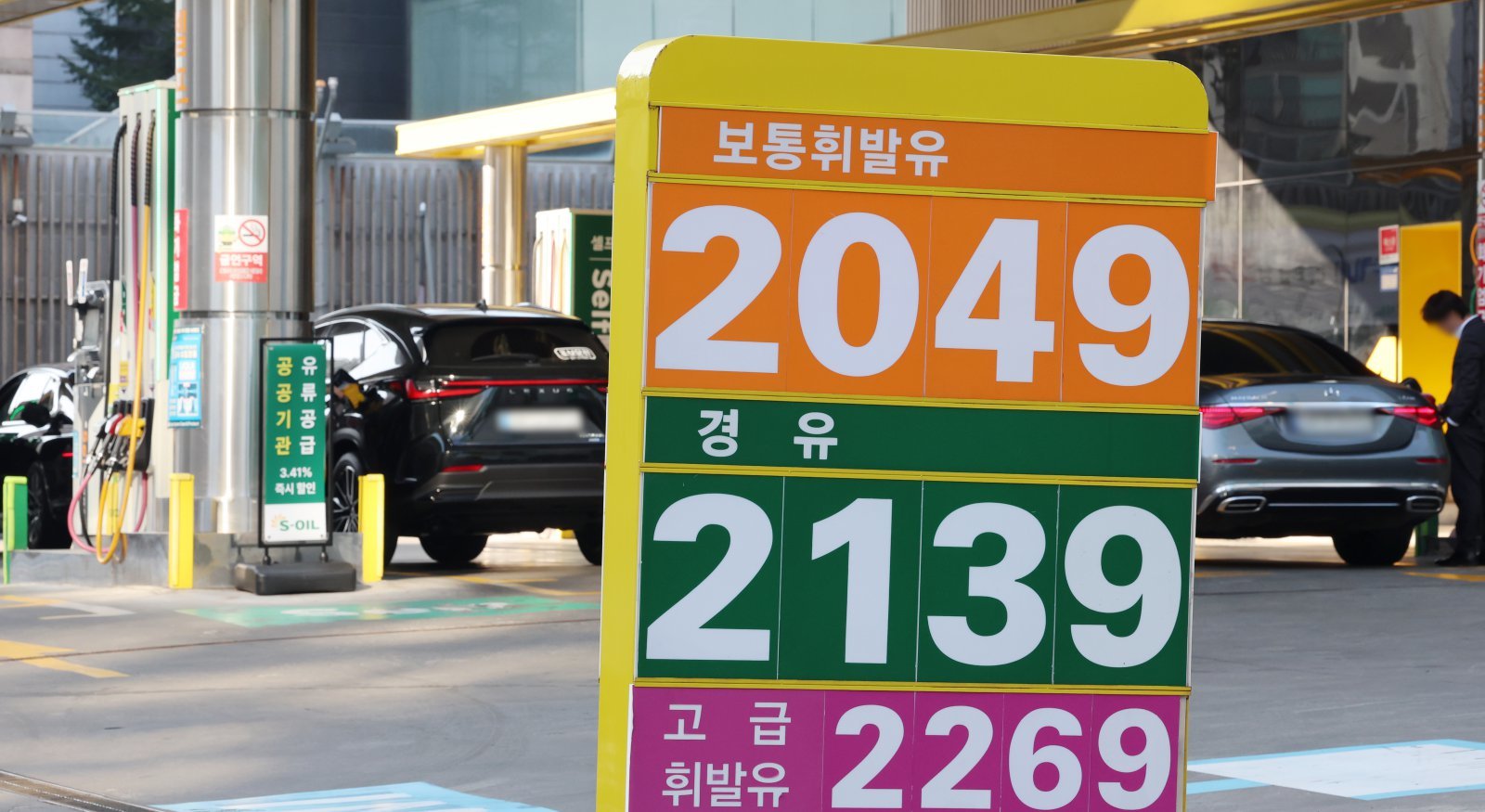
Rising fuel costs are prompting consumers to seek creative solutions to mitigate the financial strain at the pump, with a growing trend of discounted fuel voucher trading emerging in online marketplaces. This comes as geopolitical tensions continue to exert upward pressure on global oil prices, impacting drivers worldwide.
The escalating cost of filling up is forcing individuals to explore alternative methods to manage their transportation expenses. Recent reports indicate a surge in the sale of fuel vouchers on platforms like South Korea’s Danggeun Market, where a 70,000 won (approximately $53 USD as of March 8, 2026) voucher was reportedly sold for 63,000 won ($48 USD) within an hour, according to a report from the Dong-A Ilbo. This reflects a willingness among consumers to accept a slight discount in exchange for immediate savings, particularly amid concerns of further price increases.
Geopolitical Instability Drives Fuel Price Hikes
The current surge in fuel prices is largely attributed to heightened instability in the Middle East, specifically following reported attacks by the United States and Israel on Iranian targets. Reports from The Guardian detail the ongoing situation and its potential ramifications for global energy markets. The attacks have raised fears of a wider regional conflict, leading to increased risk premiums in oil prices. As of March 8, 2026, the Korea Petroleum Corporation’s OPINET system reported a national average gasoline price of 1,893.3 won per liter (approximately $1.44 USD per gallon), a 3.9 won increase from the previous day. Diesel prices also rose to 1,915.37 won per liter ($1.46 USD per gallon).
The Rise of Secondary Fuel Voucher Markets
Beyond the immediate impact on retail prices, the situation has spurred activity in secondary markets for fuel vouchers. Individuals are both selling vouchers they had previously purchased and actively seeking to acquire them at discounted rates. One individual, identified as Kim, reportedly purchased two fuel vouchers through the Bunjeong Market platform for long-distance commuting, highlighting a strategy to offset rising transportation costs. The trade of “fuel deposit certificates,” prepaid cards redeemable at specific gas stations, is also gaining traction. This practice, while offering potential savings, also introduces complexities regarding transferability and potential fraud.
The demand for fuel vouchers isn’t limited to online marketplaces. Reports indicate that many consumers are proactively filling their tanks ahead of anticipated price increases. A resident of Ansan, Gyeonggi Province, shared that they filled their vehicle after seeing social media posts warning of potential price hikes, despite facing a 20-minute wait at a busy gas station. Similarly, a resident of Asan, Chungcheongnam Province, noted that a full tank now yielded only 80% of the previous volume for the same price, underscoring the tangible impact of rising costs. The BBC reports on the potential duration of this conflict and its impact on global fuel supplies.
Mitigating Costs: Carpooling and Fuel Efficiency
Faced with escalating fuel expenses, some commuters are turning to carpooling as a cost-sharing measure. Online communities are witnessing discussions about potential carpool arrangements, with individuals seeking to share rides with colleagues or neighbors. This reflects a broader trend of adapting to economic pressures through collaborative solutions. Beyond carpooling, drivers are also focusing on fuel-efficient driving habits and vehicle maintenance to maximize mileage and reduce consumption.
Understanding the Broader Economic Context
The current situation is not isolated. Global oil prices are influenced by a complex interplay of factors, including geopolitical events, production levels, demand fluctuations, and currency exchange rates. The attacks on Iran have introduced a significant element of uncertainty into the market, prompting concerns about potential disruptions to oil supply. The International Energy Agency (IEA) closely monitors these developments and provides regular assessments of the global oil market. The New York Times provides ongoing coverage of the U.S. Response and the broader implications for energy security.
The Role of Fuel Vouchers and Prepaid Cards
Fuel vouchers and prepaid cards have grow increasingly popular in recent years as a way to manage fuel expenses and take advantage of discounts. However, the secondary market for these instruments introduces risks for both buyers and sellers. Buyers need to verify the authenticity of the vouchers and ensure they are redeemable at participating gas stations. Sellers need to be aware of potential fraud and ensure they are complying with the terms and conditions of the voucher program. The increasing prevalence of these transactions highlights the need for greater consumer awareness and regulatory oversight.
Looking Ahead: Potential Scenarios and Mitigation Strategies
The trajectory of fuel prices remains uncertain, contingent on the evolution of the geopolitical situation in the Middle East and the response of oil-producing nations. A further escalation of the conflict could lead to significant disruptions in oil supply, driving prices even higher. Conversely, a de-escalation of tensions and a resumption of diplomatic efforts could help stabilize the market. In the meantime, consumers are likely to continue seeking ways to mitigate the impact of rising fuel costs, including reducing discretionary travel, adopting fuel-efficient driving habits, and exploring alternative transportation options.
The situation underscores the vulnerability of global energy markets to geopolitical shocks and the importance of diversifying energy sources. Governments and policymakers are exploring various strategies to enhance energy security, including investing in renewable energy technologies, promoting energy efficiency, and building strategic oil reserves.
Key Takeaways:
- Rising geopolitical tensions in the Middle East are driving up global fuel prices.
- Consumers are increasingly turning to secondary markets for fuel vouchers to mitigate costs.
- Carpooling and fuel-efficient driving habits are gaining popularity as cost-saving measures.
- The future trajectory of fuel prices remains uncertain, dependent on the evolution of the geopolitical situation.
The coming weeks will be critical in determining the long-term impact of the current crisis on global energy markets. Continued monitoring of the situation and proactive measures to enhance energy security will be essential to navigate these challenging times. We will continue to provide updates as the situation evolves.
What are your thoughts on the rising fuel costs? Share your experiences and strategies in the comments below.