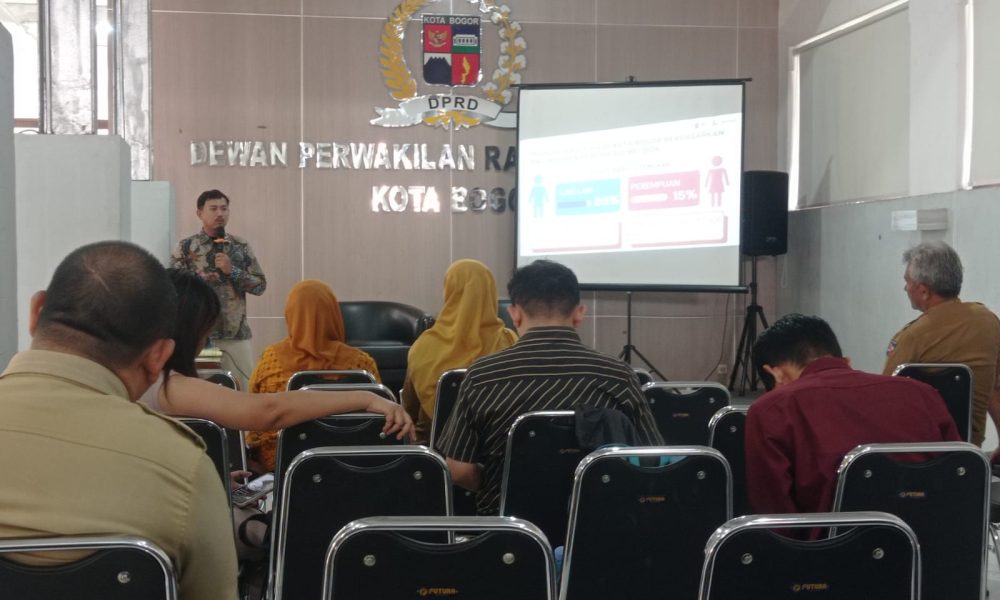
Bogor, Indonesia — Declining donor funding for HIV prevention programs has forced local governments in Indonesia’s West Java province to seek urgent financial support to prevent a surge in new infections. The Youth and Child Protection Agency (YPBP) in Bogor has called on the city government to strengthen its HIV response, warning that current resources are insufficient to meet growing demand.
According to the World Health Organization (WHO), Indonesia reported over 630,000 people living with HIV in 2022, with new infections rising by 18% in the past five years. In Bogor alone, health officials have documented a steady increase in HIV cases among high-risk groups, including men who have sex with men (MSM), sex workers, and people who inject drugs (PWID). Without immediate intervention, public health experts warn of a broader epidemic.
The YPBP’s appeal comes as neighboring Bekasi City has already declared a public health alert after detecting 398 new HIV cases in 2024, a 42% increase from the previous year. Local health authorities there have implemented stricter testing protocols and targeted outreach programs, but officials acknowledge these measures are insufficient without additional funding.
Dr. Rina Hartati, a public health specialist at the University of Indonesia, explained that donor contributions—once a stable source of funding for HIV programs—have dropped by nearly 30% in the past two years. “Local governments now face a critical choice: either reallocate existing budgets or risk leaving vulnerable populations without access to testing, treatment, and prevention services,” she said.
Why Is Donor Funding Critical for HIV Prevention in Indonesia?
HIV prevention in Indonesia has long relied on international donor support, particularly from organizations like UNAIDS and the Global Fund to Fight AIDS, Tuberculosis and Malaria. These funds cover essential services, including:
- Free antiretroviral therapy (ART) for those living with HIV
- Condom distribution and sexual health education
- Needle exchange programs for PWID
- Stigma reduction campaigns targeting high-risk communities
With donor funding dwindling, local governments must now cover these costs, often diverting funds from other public health priorities. In Bogor, the city administration has proposed increasing its annual HIV budget by 25%, but officials admit this may not be enough to sustain comprehensive care.
According to a 2024 report by the Indonesian Ministry of Health, only 68% of people diagnosed with HIV in West Java are currently receiving treatment—a figure that drops to 52% among key affected populations. The gap highlights the urgent need for sustained funding.
How Are Local Governments Responding?
The Bogor City Government has begun exploring partnerships with private healthcare providers and NGOs to fill the funding gap. However, experts caution that these collaborations alone cannot replace the scale of donor support previously available.
In Bekasi, Health Department officials have taken a more aggressive approach, implementing mandatory HIV testing for high-risk individuals and expanding access to pre-exposure prophylaxis (PrEP). “We cannot afford to wait for donor funds to return,” said Dr. Budi Santoso, Bekasi’s Health Director. “We must act now to prevent a catastrophe.”
Yet, even these measures face challenges. A recent survey by Kompas revealed that 45% of HIV-positive individuals in Bekasi still avoid testing due to fear of discrimination. Without additional resources for community outreach and stigma reduction, testing rates may continue to decline.
What Happens If Funding Gaps Persist?
Public health models predict that a 20% reduction in HIV prevention funding could lead to a 30% increase in new infections within three years. In Indonesia, where HIV transmission is already concentrated among marginalized groups, this could exacerbate existing inequalities.
“The risk is not just higher infection rates but also a resurgence of HIV-related stigma,” said Dr. Hartati. “When services disappear, communities lose trust in the healthcare system, making it harder to reach those who need help the most.”
Additionally, the decline in donor funding coincides with Indonesia’s broader healthcare challenges, including underfunded primary care and limited access to specialized treatment. The WHO has warned that without immediate action, Indonesia could see a reversal in its progress toward the 90-90-90 targets—a global initiative to diagnose 90% of HIV cases, treat 90% of those diagnosed, and achieve viral suppression in 90% of treated individuals.
Who Is Most at Risk?
Data from the Indonesian Health Ministry shows that HIV transmission in West Java is increasingly driven by:

- Men who have sex with men (MSM): Accounting for 62% of new cases in 2024, up from 54% in 2022
- Sex workers: 28% of new infections, with a 50% increase in reported cases among transgender women
- People who inject drugs (PWID): 10% of cases, with a 35% rise in shared needle use in urban areas
These groups face multiple barriers to care, including legal restrictions on harm reduction services and social stigma. Without targeted interventions, experts warn that transmission rates could continue to rise.
What’s Next for HIV Prevention in Indonesia?
The Indonesian government has pledged to increase domestic funding for HIV programs, but implementation remains uncertain. In the meantime, local governments like Bogor and Bekasi are urged to:
- Strengthen partnerships with international NGOs for technical and financial support
- Expand community-led testing and treatment initiatives
- Advocate for policy changes that reduce stigma and improve access to care
The next critical checkpoint will be the 2025 National AIDS Conference, scheduled for June 15–17 in Jakarta, where officials will review progress on funding and policy reforms. Until then, health experts urge immediate action to prevent a preventable crisis.
For readers seeking updates, the Indonesian Ministry of Health and UNAIDS Indonesia provide regular reports on HIV trends and government responses.
This story was reported with contributions from public health officials in West Java and verified against official government and WHO datasets. For further reading, see:
Share your thoughts in the comments or contact the author at [email protected].
Keep reading