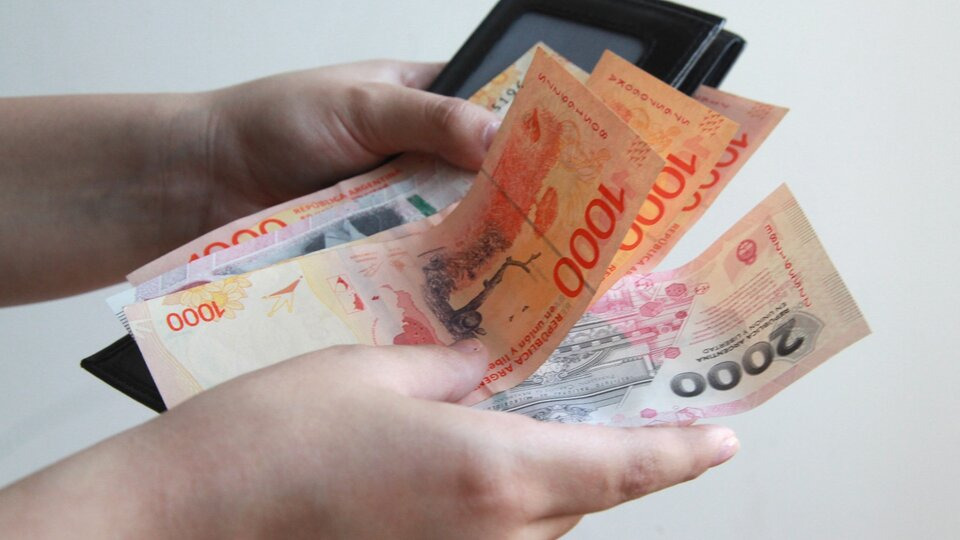
As households navigate an increasingly complex economic landscape, Argentina’s national consumer protection agency, the Dirección Nacional de Defensa del Consumidor y Arbitraje del Consumo, has issued a formal alert regarding deceptive practices in the digital lending market. With many families facing heightened levels of debt and financial strain, authorities are warning that predatory actors are exploiting the urgent need for liquidity through fraudulent loan solicitations and opaque contract terms.
The rise in digital financial services has provided new avenues for credit access, but it has also created a fertile environment for bad actors. According to the government’s official consumer defense portal, these deceptive schemes often involve promises of rapid approval, non-existent interest rates, or the requirement of upfront administrative fees—a hallmark of financial fraud that legitimate institutions do not practice.
Recognizing the Signs of Loan Fraud
Financial literacy remains the primary defense against these illicit operations. Regulators emphasize that legitimate lenders are subject to strict oversight by the Banco Central de la República Argentina (BCRA), which maintains a public registry of authorized financial entities. Consumers are encouraged to verify the registration status of any lender before initiating a loan application or sharing personal financial data.
Common red flags identified by the agency include:
- Upfront Fees: Requests for “processing,” “insurance,” or “administrative” payments before the loan is disbursed are almost always indicators of a scam.
- High-Pressure Tactics: Urgency, such as “limited time offers” or threats of immediate legal action, is designed to bypass the borrower’s critical judgment.
- Lack of Transparency: If a lender fails to provide a clear Total Financial Cost (Costo Financiero Total or CFT), which includes interest rates, taxes, and service fees, it is a violation of consumer protection standards.
- Unsolicited Offers: Beware of offers that appear via messaging apps or social media from entities that do not have a verifiable physical office or a secure, encrypted website.
For those who suspect they have been targeted, the official complaint form provided by the Ministry of Economy offers a direct channel to report these incidents to the authorities. Documenting all interactions, including screenshots of messages, emails, and transaction receipts, is vital for any potential investigation.
The Impact of Household Debt
The current economic context in Argentina has left many households searching for alternatives to traditional banking. High inflation and interest rate volatility have created a “credit gap” that opportunistic lenders are eager to fill. However, borrowing from unregulated sources often leads to a cycle of compounding debt that can be significantly more damaging than the initial financial emergency.
The Defensa del Consumidor underscores that while the need for credit is understandable, the risks of engaging with unauthorized entities include identity theft, unauthorized withdrawals from bank accounts, and the threat of extortion. Protecting one’s personal data—specifically bank account numbers, passwords, and identification credentials—is as important as verifying the lender’s legitimacy.
Best Practices for Borrowers
To ensure financial safety, experts recommend a systematic approach to borrowing. First, always check the BCRA’s list of authorized financial entities. If an organization is not on this list, it is not authorized to operate as a financial institution in the country.
reading the “fine print” is non-negotiable. Legitimate contracts must clearly state the interest rate, the number of installments, and the total amount to be repaid. If a contract is difficult to understand or contains clauses that seem predatory, it is best to walk away. Consumers should also be wary of “pre-approved” loans that arrive without a formal application, as these are frequently used as phishing vectors to steal sensitive information.
Key Takeaways for Consumers
- Verify before you act: Always check if the lender is registered with the Central Bank.
- Never pay to borrow: Legitimate lenders deduct fees from the loan amount; they do not ask for payment in advance.
- Protect your data: Never share your online banking passwords or digital tokens with anyone, regardless of the reason given.
- Report suspicious activity: Use official government channels to file reports, which helps authorities track and shut down fraudulent networks.
As the situation continues to evolve, the Ministry of Economy periodically updates its news and alerts section regarding consumer rights and financial security. Staying informed is the most effective way to navigate these challenges and protect your household’s financial health.

We encourage our readers to share their experiences or ask questions in the comments section below. Have you encountered suspicious loan offers? Let us know how you navigated the situation so People can keep our community informed and protected.
Related reading