
Rising rates of sleep disorders in Germany are increasingly linked to long-term health risks, including cardiovascular disease and metabolic dysfunction. According to data from the Robert Koch Institute (RKI), approximately 25% of the adult population in Germany reports suffering from chronic sleep disturbances, a trend that public health officials warn can have systemic impacts on physical and mental well-being if left unaddressed. Sleep hygiene, defined by the National Institutes of Health (NIH) as the behavioral and environmental practices that promote consistent, quality sleep, remains the primary non-pharmacological intervention for those struggling to maintain a healthy circadian rhythm.
The Physiological Impact of Chronic Sleep Deprivation
The human body relies on sleep to perform essential restorative processes, including tissue repair, protein synthesis, and the consolidation of memory. When sleep is consistently disrupted, the body’s homeostatic mechanisms are compromised. Research published by the American Heart Association (AHA) indicates that insufficient sleep—defined as fewer than seven hours per night for adults—is associated with an increased risk of hypertension, obesity, and type 2 diabetes. The biological mechanism involves the dysregulation of cortisol and ghrelin levels, which can lead to increased stress responses and altered appetite regulation.
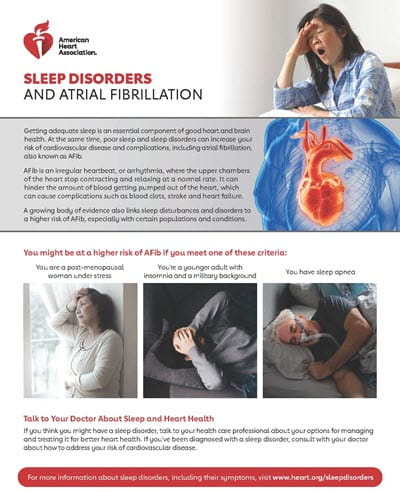
Beyond metabolic health, the cardiovascular system is particularly vulnerable to sleep-related stressors. A study published in the journal Circulation found that disrupted sleep architecture, such as frequent arousals or apnea, increases the risk of coronary artery disease. As a physician, I frequently emphasize to my patients at Charité that sleep is not a passive state but a period of intense physiological activity. When this process is fragmented, the sympathetic nervous system remains in a heightened state of arousal, placing undue pressure on the heart and vascular walls.
Establishing Effective Sleep Hygiene Practices
Achieving quality rest requires a consistent approach to environmental and behavioral triggers. The Sleep Foundation suggests that individuals establish a “sleep latency” window, where the bedroom environment is kept dark, quiet, and cool—ideally between 15 and 19 degrees Celsius. Consistency is the most significant factor in regulating the body’s internal clock. Going to bed and waking up at the same time every day, including weekends, helps reinforce the circadian rhythm, which in turn improves the quality of deep, restorative sleep stages.
Digital technology often serves as a primary barrier to healthy sleep. The blue light emitted by smartphones, tablets, and computers suppresses the production of melatonin, the hormone responsible for signaling the body that it is time to sleep. Experts recommend disconnecting from all electronic devices at least 60 minutes before bedtime. Replacing screen time with low-stimulation activities, such as reading a physical book or practicing mindfulness, can help lower the heart rate and prepare the central nervous system for rest.
When to Seek Professional Medical Guidance
While lifestyle adjustments are effective for mild sleep disturbances, they are not a substitute for clinical intervention in cases of chronic insomnia or obstructive sleep apnea. Persistent difficulty falling or staying asleep that lasts for more than three months is often classified as chronic insomnia disorder, according to the International Classification of Sleep Disorders (ICSD-3). If self-managed strategies fail to improve sleep quality after several weeks, patients should consult a primary care physician to rule out underlying medical conditions.
Diagnostic tools, such as polysomnography, are used in clinical settings to monitor brain activity, eye movement, and respiratory function during sleep. These tests are essential for identifying disorders like sleep apnea, where breathing repeatedly stops and starts, significantly reducing oxygen levels in the blood. The German Society for Sleep Research and Sleep Medicine (DGSM) provides a directory of certified sleep laboratories across the country for patients requiring specialized diagnostic assessment. Early diagnosis is critical, as untreated sleep apnea is a known risk factor for stroke and cardiac arrhythmias.
Public Health Trends and Future Outlook
The prevalence of sleep disorders in Germany has been a subject of ongoing surveillance by the Federal Ministry of Health. Public health initiatives are increasingly focusing on the intersection of workplace stress and sleep hygiene. As professional demands and the blurring of boundaries between work and home life continue to evolve, the necessity for robust sleep health literacy becomes more apparent. Employers are increasingly being encouraged to consider the impact of shift work and extended hours on the long-term health of the workforce.

For those looking to improve their sleep health immediately, the most effective step is to track sleep patterns using a log for two weeks before discussing findings with a healthcare provider. Accurate data regarding bedtime, wake time, and perceived quality of rest provides a baseline that allows physicians to differentiate between transient stress-related sleep loss and more serious underlying pathology. The next official update from the RKI on national health status is expected in late 2026, which will likely provide further longitudinal data on the impact of sleep health on the German population. If you have found this information helpful, please share this article to help others prioritize their health, and join the discussion in the comments section below.
- How Sleep Affects Testosterone Levels: The Link Between Sleep Deprivation and Low T
- Patient Recovers Successfully After Surgery: Medical Professional Confirms Positive Evolution
- FDA Approves Groundbreaking mRNA Vaccine Booster for Adults 50+, Boosting Immunity and Protecting Against Chronic Health Risks (archyworldys.com)
- The Future of Health Insurance Coverage and Healthcare Standards (world-today-news.com)