
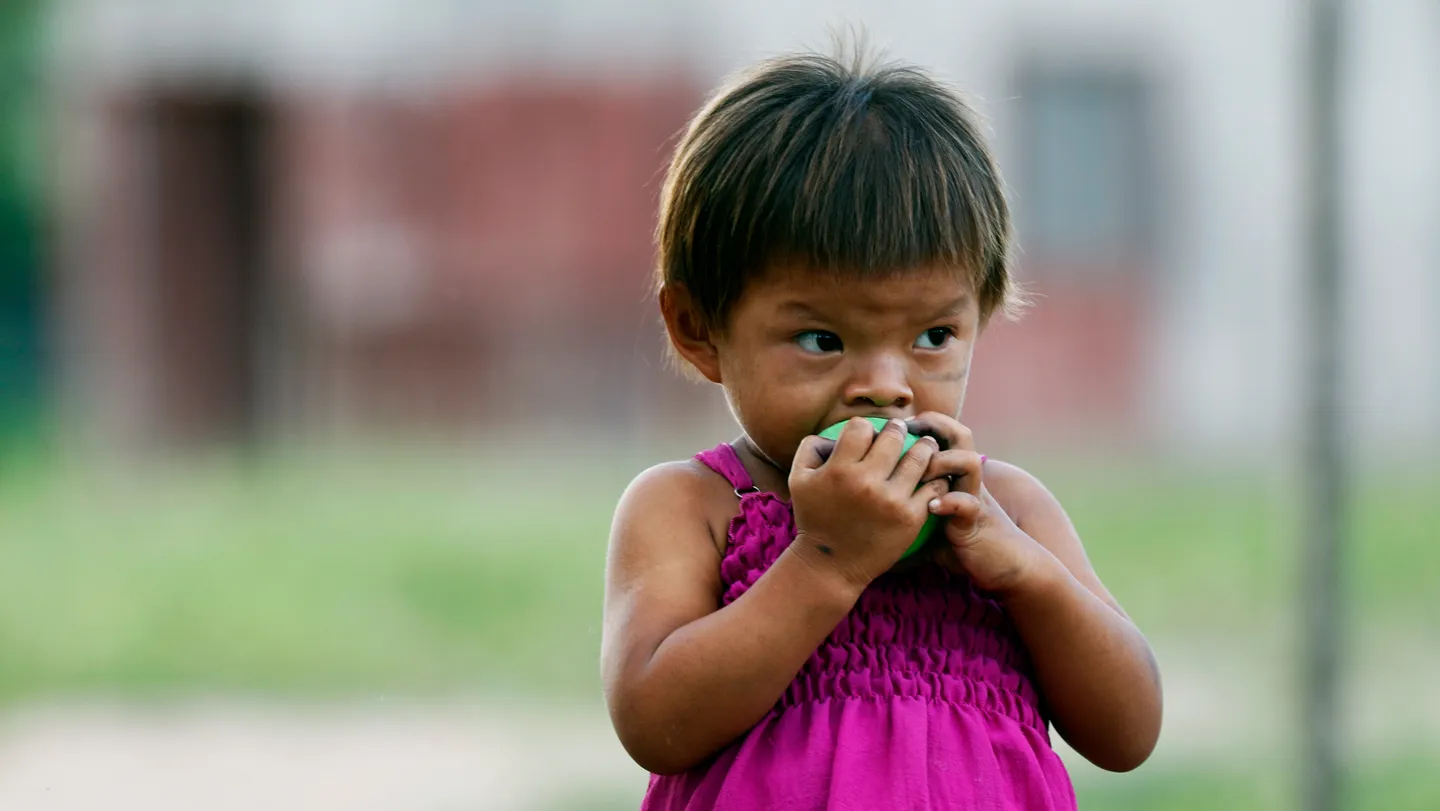
Rising temperatures are increasingly linked to worsening nutritional outcomes in children, according to a large-scale study analyzing data from over 6.5 million Brazilian children. The research, published in a peer-reviewed journal, found that higher ambient temperatures correlated with reduced dietary diversity and increased risk of malnutrition, particularly among children in low-income households and rural areas. These findings underscore a growing concern that climate change may exacerbate existing health inequities, especially in regions already facing food insecurity.
The study, conducted by researchers from the University of São Paulo and the Oswaldo Cruz Foundation, examined longitudinal health and climate data collected between 2010 and 2019. It revealed that for every 1°C increase in average monthly temperature, there was a measurable decline in children’s consumption of essential food groups such as fruits, vegetables, and animal-source proteins. The effect was most pronounced in the Northeast and North regions of Brazil, where poverty rates are higher and access to nutritious food is often limited.
Experts warn that heat stress can reduce appetite, increase metabolic demands, and disrupt household food security — particularly when combined with crop failures or rising food prices during extreme weather events. Dr. Ana Paula Ribeiro, a pediatric nutritionist at the Federal University of Minas Gerais not involved in the study, explained that “children are physiologically more vulnerable to heat, and when combined with poor access to diverse diets, the risk of micronutrient deficiencies and stunting rises significantly.” Her comments were made during a recent interview with SciELO Public Health, a respected Brazilian public health journal.
Malnutrition in early childhood has long-term consequences, including impaired cognitive development, reduced educational attainment, and increased susceptibility to infectious diseases. The World Health Organization estimates that globally, over 149 million children under five were stunted in 2022, with the burden disproportionately falling on low- and middle-income countries. Climate-driven disruptions to agriculture and food systems threaten to reverse years of progress in reducing child malnutrition, particularly in tropical regions where temperature increases are projected to be most severe.
How Heat Affects Children’s Nutrition
The biological and behavioral mechanisms linking heat exposure to poor nutrition are multifaceted. High temperatures can lead to dehydration and fatigue, reducing a child’s willingness to eat, especially warm or heavy meals. In households without reliable refrigeration, perishable foods like dairy, meat, and fresh produce spoil more quickly, limiting access to nutrient-dense options. Caregivers may struggle to prepare meals during heatwaves, opting for cheaper, less nutritious alternatives that are easier to store.
A 2023 analysis by the International Food Policy Research Institute (IFPRI) found that in regions experiencing frequent heatwaves, households were up to 20% more likely to rely on processed grains and sugary snacks instead of fresh foods. This dietary shift contributes to what experts call the “double burden of malnutrition” — where undernutrition coexists with rising rates of childhood obesity and diet-related non-communicable diseases. The study, available through IFPRI’s official website, highlights how climate stressors can distort food environments even when caloric intake remains adequate.
Urban heat islands further intensify the problem in cities, where concrete and asphalt absorb and radiate heat, making indoor environments uncomfortably hot even at night. In favelas and informal settlements — common in Brazil’s major metropolitan areas — lack of ventilation and green space exacerbates heat exposure, particularly for children spending long hours indoors during the day.
Vulnerable Populations Face Greatest Risk
The Brazilian study emphasized that the impact of heat on nutrition was not evenly distributed. Children from families with lower maternal education, those living in homes without access to clean water or sanitation, and those identifying as Indigenous or Afro-Brazilian experienced significantly worse outcomes. These disparities reflect broader social inequities that determine who bears the brunt of environmental stressors.
Similar patterns have been observed in other parts of the world. A 2022 study published in The Lancet Planetary Health analyzed data from 30 low- and middle-income countries and found that children in the poorest wealth quintiles were twice as likely to suffer from wasting during periods of extreme heat compared to their wealthier peers. The research, accessible via The Lancet Planetary Health, concluded that climate adaptation strategies must be equity-centered to avoid deepening existing health gaps.
In Brazil, government programs such as Bolsa Família and the National School Feeding Program (Programa Nacional de Alimentação Escolar, or PNAE) play a critical role in buffering children against food insecurity. However, during extreme heat events, logistical challenges — such as disrupted transportation or reduced attendance due to heat-related illness — can limit the effectiveness of these interventions. Strengthening climate resilience within social protection systems is increasingly seen as a priority by public health experts.
What This Means for Global Health Policy
The findings add to a growing body of evidence that climate change is not just an environmental issue but a fundamental determinant of child health. As global temperatures continue to rise — the past decade was the warmest on record according to NASA and NOAA — integrating nutrition surveillance into climate adaptation planning is becoming essential. Early warning systems that combine weather forecasts with malnutrition screening could help trigger timely interventions, such as targeted food aid or mobile health clinics.
Organizations like UNICEF and the World Food Programme are already piloting climate-smart nutrition programs in countries across sub-Saharan Africa and South Asia. These initiatives include promoting drought-resistant crops, improving food storage at the community level, and training health workers to recognize early signs of heat-related nutritional stress. In 2023, UNICEF launched a climate and environment initiative specifically aimed at protecting children’s health in the face of rising temperatures.
At the policy level, experts advocate for aligning national climate action plans (NDCs under the Paris Agreement) with child health and nutrition goals. This includes investing in heat-resilient agriculture, expanding access to cool spaces in schools and clinics, and ensuring that social safety nets remain functional during climate shocks. The upcoming COP30 summit in Belém, Brazil, in 2025, is expected to place a strong emphasis on the Amazon region’s role in global climate regulation and its implications for local populations’ health and food security.
Practical Steps for Families and Communities
While systemic change is necessary, there are steps caregivers and communities can take to mitigate risks during hot weather. Offering frequent, small meals that are easy to digest — such as fruits, yogurt, and porridge — can help maintain nutrient intake when appetite is low. Ensuring access to clean drinking water is critical, as dehydration can worsen the effects of poor nutrition. In homes without refrigeration, preparing meals just before consumption and using shaded, ventilated cooking areas can reduce food spoilage.
Community health workers play a vital role in identifying at-risk children and connecting families with available resources. Training programs that teach how to recognize signs of malnutrition — such as weight loss, lethargy, or frequent illness — can enable earlier intervention. In Brazil, the Family Health Strategy (Estratégia Saúde da Família) deploys thousands of community agents who could be further equipped to respond to climate-related health threats.
Simple environmental modifications, like planting trees around homes and schools or using reflective roofing materials, can lower indoor temperatures and create more comfortable spaces for eating and resting. These low-cost adaptations, when scaled, contribute to both heat resilience and improved nutritional outcomes.
Looking Ahead: Monitoring and Action
Researchers involved in the Brazilian study are now working to expand their analysis to other countries in Latin America and Africa, aiming to build a comparative dataset on how heat influences child nutrition across different ecological and socioeconomic contexts. Early results from pilot studies in Peru and Mozambique suggest similar trends, though local food systems and adaptation capacities modify the strength of the association.
The next major update is expected when the team presents preliminary findings at the International Congress on Nutrition in December 2024, hosted by the International Union of Nutritional Sciences (IUNS). Details about the event, including registration and abstract submission deadlines, are available on the IUNS official website. Until then, public health officials continue to emphasize the importance of treating heat not just as a weather phenomenon, but as a growing threat to child well-being that requires coordinated, evidence-based action.
Understanding the links between climate and child nutrition is no longer optional — it is essential for safeguarding the health of future generations. As temperatures rise, protecting children’s access to nutritious food must be a central part of both climate adaptation and public health strategy.