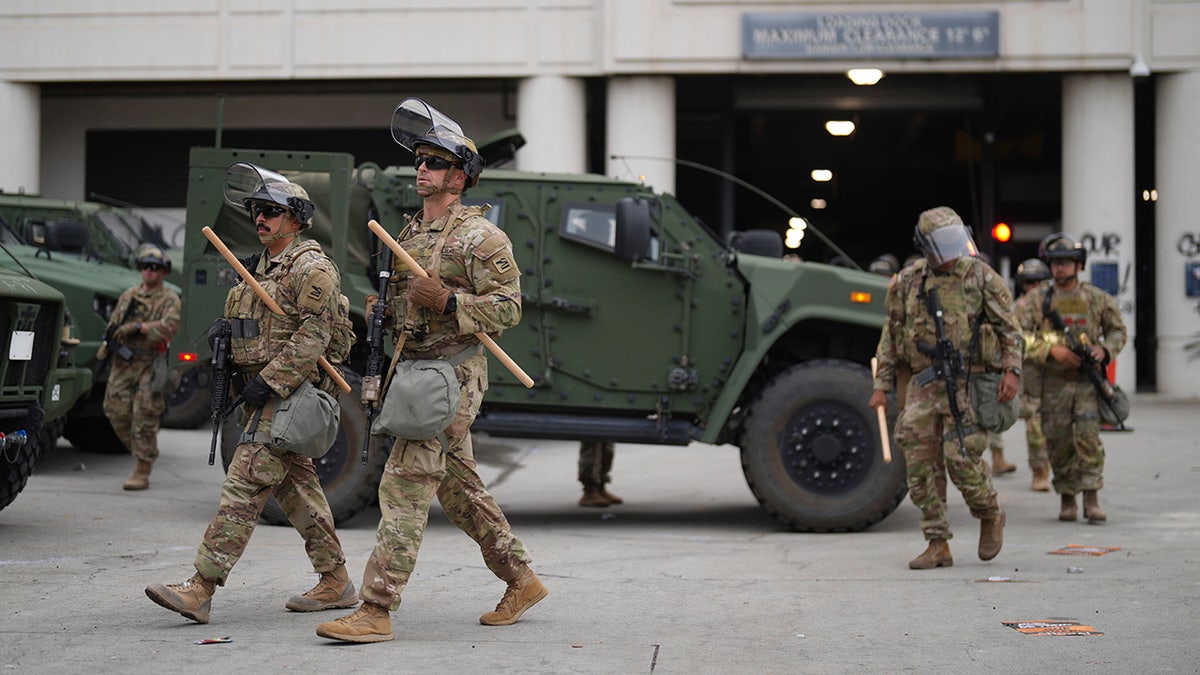
Healthcare facilities worldwide are grappling with a troubling escalation in workplace violence, transforming environments intended for healing into zones of significant risk for medical staff. From the sudden surge of drone attacks on civilian infrastructure in conflict zones to localized incidents of patient-on-staff aggression, the safety of healthcare providers is under unprecedented pressure.
The rise in violence in hospitals has reached a critical point where traditional security measures are often deemed insufficient. In some regions, the threat is so acute that security personnel are now being equipped with specialized protective gear, including stab-resistant vests, to mitigate the risk of knife attacks during patient confrontations.
This trend reflects a broader global crisis in healthcare safety. Whether it is the systemic collapse of security in war-torn regions or the failure of institutional protections in developed healthcare systems, the result is a workforce characterized by fear and an increasing demand for tactical equipment to perform basic medical duties.
As a physician and health journalist, I have observed that when medical professionals operate in fear, the quality of patient care inevitably suffers. The shift toward “hardening” hospital security—moving from a model of care and rapport to one of protection and containment—marks a pivotal and concerning shift in the patient-provider relationship.
The Escalation of Physical Threats in Clinical Settings
The implementation of anti-knife vests for security staff is a direct response to the increasing frequency of violent outbursts within hospital walls. These incidents often involve patients in crisis, but the lack of adequate psychiatric support and security infrastructure leaves staff vulnerable to physical harm.
The legal ramifications of these failures are becoming more apparent. In the United States, for example, the vulnerability of nursing staff is highlighted by legal actions taken after brutal attacks. A nurse recently filed a lawsuit against HCA Florida Palms West Hospital and a security company, following a brutal patient attack that occurred a year prior.
Such cases underscore a systemic failure to protect those on the front lines. When security protocols fail, the burden of risk falls on the clinicians, leading to burnout, trauma, and an exodus of qualified personnel from the healthcare profession.
Systemic Failures and the Role of Emergency Protocols
To manage these risks, hospitals rely on standardized emergency codes to alert staff to specific threats without causing mass panic among patients. These codes are designed to mobilize security and clinical teams rapidly to neutralize a threat.
According to Campus Safety Magazine, there are several common hospital emergency codes used to manage crises, including those for fires, cardiac arrests, and violent intruders. However, the effectiveness of these codes depends entirely on the speed of the response and the training of the personnel involved.
When the volume of violence increases, the reliance on “codes” can feel inadequate. The transition to providing security guards with protective gear, such as knife-proof vests, suggests that the nature of the threats has evolved beyond what standard emergency protocols were designed to handle.
Global Perspectives: From Clinical Violence to Conflict Zones
While some hospitals face localized patient violence, others are dealing with the extreme violence of war, where the healthcare facility itself becomes a target. This represents the most severe end of the spectrum of hospital insecurity.
In Sudan, the healthcare system is facing a catastrophic surge in violence. Reports from UN News indicate that hospital strikes have highlighted a surge in drone attacks targeting civilians, further endangering patients and the medical staff attempting to treat them.
Whether it is a patient with a weapon in a metropolitan clinic or a drone strike on a rural hospital in Sudan, the common thread is the erosion of the “safe haven” status of medical facilities. The psychological impact on staff—characterized by a pervasive sense of fear—creates a precarious environment where the primary focus shifts from patient care to personal survival.
Key Takeaways on Hospital Security Trends
- Increased Protective Gear: Security personnel in some hospitals are now utilizing stab-resistant vests due to a rise in violent patient attacks.
- Legal Accountability: Institutions are facing lawsuits when security failures lead to brutal attacks on healthcare workers.
- Global Vulnerability: Violence ranges from individual patient outbursts to systemic attacks on hospitals in conflict zones, such as the drone strikes in Sudan.
- Protocol Reliance: Hospitals continue to apply standardized emergency codes to manage threats, though the severity of attacks is challenging these traditional systems.
The current trajectory of violence in hospitals requires a multi-faceted response: better psychiatric integration to prevent patient outbursts, stronger legal protections for staff, and international adherence to the neutrality of medical facilities in conflict zones.
We will continue to monitor updates regarding healthcare worker safety legislation and official reports on hospital security standards as they emerge.
Do you believe current hospital security measures are sufficient to protect medical staff? Share your thoughts and experiences in the comments below.