Saudi Football Faces Scrutiny Over Player and Manager Conduct
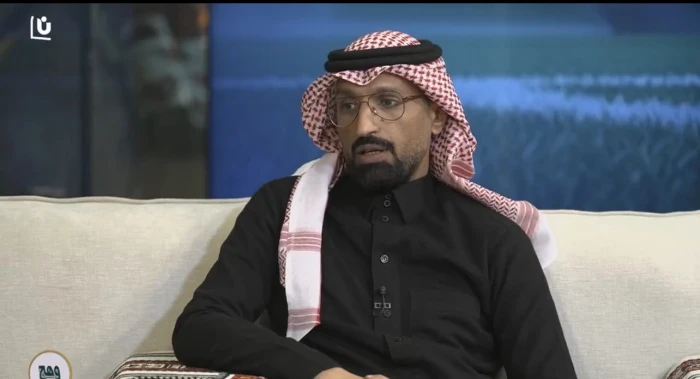
Recent statements from a prominent Saudi sports analyst are fueling debate over disciplinary standards within Saudi Arabian football, specifically concerning the handling of player and manager conduct. Mubarak Al-Shahri, a respected voice in the region’s sports media, has suggested that comments made by Al-Hilal player Rúben Neves may be more damaging to the sport than those previously made by Al-Nassr manager Jorge Jesus. This comes amid broader concerns about the consistency of rulings from the Saudi Arabian Football Federation’s (SAFF) Disciplinary Committee, and the challenges of interpreting on-field incidents in the age of increasingly sophisticated artificial intelligence.
Al-Shahri’s comments, made during an appearance on the “Wahj Plus” program, highlight a growing unease about the application of rules and the potential for inconsistent enforcement. The analyst pointed to the Disciplinary Committee having issued approximately 285 decisions since the beginning of the season, a significant number that underscores the volume of incidents requiring review. However, the focus has shifted to the nature of those decisions and whether they are being applied equitably across the league. The core of the debate centers on the interpretation of player behavior, the influence of public perception, and the role of technology in assessing incidents.
Neves’s Comments and the Broader Context
Whereas the specific content of Rúben Neves’s statement remains undisclosed in the provided sources, Al-Shahri’s assertion that it could be *more* damaging than those of Jorge Jesus suggests a potentially sensitive issue. Jesus has previously drawn criticism for comments perceived as critical of the Saudi Arabian football system and its political influences, as reported by Goal.com. The implication is that Neves’s remarks may touch upon similar themes or introduce latest controversies that could further destabilize the league’s image.
The debate also extends to incidents involving other players. Al-Shahri referenced a situation involving Ivan Toney and Jamal Harkass, stating that while he doesn’t condone inappropriate behavior, he prefers to avoid commenting on footage not provided by the official broadcaster. This caution stems from the increasing sophistication of AI tools, which can be used to manipulate videos or present them in a misleading manner, potentially harming players’ reputations. This concern reflects a broader trend in sports, where the authenticity of video evidence is increasingly being questioned.
Concerns Over Disciplinary Consistency
A central theme emerging from Al-Shahri’s analysis is the perceived lack of consistency in the SAFF Disciplinary Committee’s rulings. He highlighted the case of Cristiano Ronaldo, noting that the penalty imposed on the Portuguese star was based on an official complaint and video footage captured on a mobile phone. This raises questions about the standards used to evaluate similar incidents, and whether actions deemed acceptable as “passion” on the field are sometimes unfairly penalized as misconduct. The call for clearer criteria is a recurring theme in discussions about football governance globally.
The situation with Ronaldo, as Al-Shahri points out, underscores the challenges of applying consistent standards. The fact that a mobile phone recording was sufficient to trigger a penalty raises questions about the evidentiary requirements for disciplinary action. This is particularly relevant in a league where high-profile players are constantly under scrutiny, and even seemingly minor incidents can quickly escalate into major controversies.
The Role of Technology and Evidence
Al-Shahri’s reluctance to comment on footage outside of the official broadcast raises a critical point about the reliability of evidence in the digital age. The proliferation of AI-generated content and video manipulation tools makes it increasingly demanding to determine the authenticity of footage circulating online. This poses a significant challenge for disciplinary committees, who must rely on accurate evidence to make fair and informed decisions. The analyst’s preference for official broadcast footage reflects a desire to avoid being misled by potentially doctored or misrepresented content.
This issue isn’t unique to Saudi Arabian football. Leagues around the world are grappling with the challenges of verifying video evidence and combating the spread of misinformation. The use of Video Assistant Referees (VAR) has been implemented in many leagues to improve the accuracy of officiating, but even VAR is not immune to controversy. The debate over the role of technology in football is likely to continue as AI tools become more sophisticated.
Recent Disciplinary Actions and Controversies
As Goal.com reported, the SAFF Disciplinary Committee has been the subject of scrutiny recently, particularly regarding the penalty imposed on the president of the club Damac. This decision sparked debate about whether the committee applies a “double standard” in its rulings. The incident involving Toney and Harkass further fueled these concerns, as some observers felt that the players’ actions should have been subject to disciplinary action but were not.
The broader context of these controversies is the rapid growth and increasing competitiveness of the Saudi Professional League. The influx of high-profile players, such as Cristiano Ronaldo and Neymar, has raised the league’s profile internationally, but it has also brought increased scrutiny. The SAFF is under pressure to maintain the integrity of the league and ensure that all players and officials are held to the same standards of conduct.
Looking Ahead
The concerns raised by Mubarak Al-Shahri highlight the demand for greater transparency and consistency in the application of disciplinary rules within Saudi Arabian football. The SAFF Disciplinary Committee faces the challenge of balancing the need to punish misconduct with the need to protect players’ reputations and ensure fair play. The increasing sophistication of AI technology adds another layer of complexity to this task.
The next steps will likely involve further debate among sports analysts, club officials, and fans about the appropriate standards of conduct and the role of the Disciplinary Committee. It remains to be seen whether the SAFF will respond to these concerns by implementing changes to its disciplinary procedures. The league’s continued success will depend, in part, on its ability to address these issues and maintain the trust of its stakeholders.
The SAFF has not yet announced any specific plans to review its disciplinary procedures, but the ongoing debate suggests that the issue is likely to remain a prominent topic in Saudi Arabian football for the foreseeable future. Readers interested in following these developments can monitor official announcements from the SAFF and reports from reputable sports news outlets.
What are your thoughts on the consistency of disciplinary actions in Saudi Arabian football? Share your opinions in the comments below, and don’t forget to share this article with your friends, and colleagues.
Keep reading