The Growing Concerns Around AI Voice Cloning and digital Consent
The rapid advancement of artificial intelligence has opened unbelievable doors, but also presents complex ethical challenges. One particularly sensitive area is the cloning of voices using AI – and the potential for misuse, especially concerning individuals who haven’t given their consent.
recently, a video surfaced featuring an AI-generated voice resembling a well-known train announcer, Gayanne Potter, sparking renewed debate. This isn’t an isolated incident, and it highlights a growing trend that demands careful consideration.
The Rise of AI Voice Replication
Artificial intelligence can now convincingly replicate human voices with startling accuracy. You might encounter this technology in various applications, from voice assistants to creating synthetic speech for accessibility purposes.Though, the same technology can be exploited to create deepfakes – audio recordings that falsely attribute statements to someone.
This raises serious questions about identity theft, misinformation, and the right to control your own likeness.
A Daughter’s Plea: The Case of Robin Williams
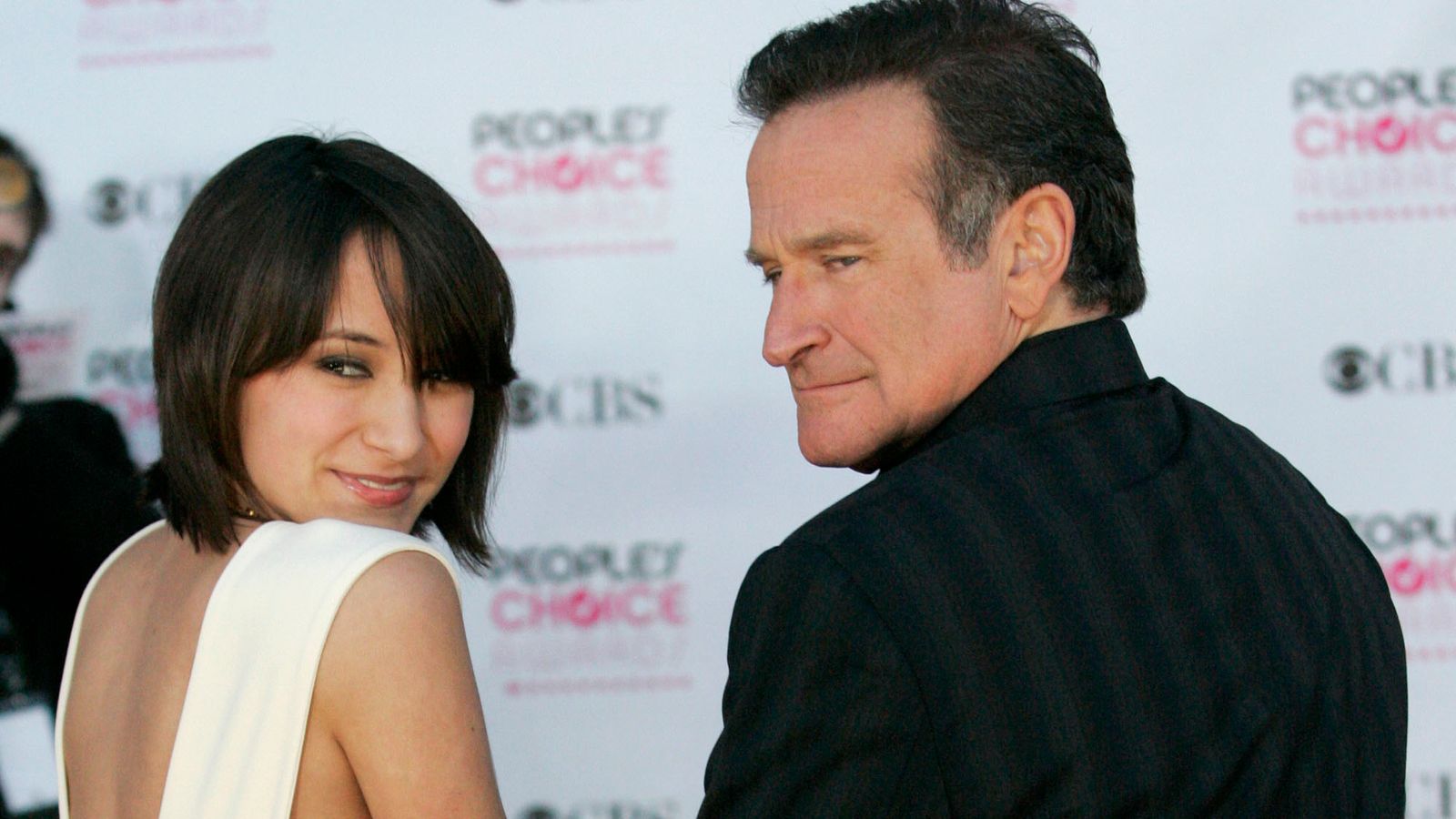
The concerns aren’t new. Zelda Williams, daughter of the late actor Robin Williams, has been a vocal advocate against the unauthorized use of AI to recreate her father’s voice. She brought attention to the fact that AI models are being trained on actors’ voices without their permission.
I’ve found that this isn’t merely a hypothetical issue; it’s happening now. AI is already being used to generate “new” performances from deceased actors, raising profound ethical and legal questions.
Why Consent Matters
Here’s what’s at stake when AI voice cloning occurs without consent:
* Loss of Control: Individuals lose control over how their voice is used and the messages it conveys.
* Reputational Damage: AI-generated audio can be used to create false and damaging statements.
* Emotional Distress: Hearing a replicated voice,especially of a loved one who has passed away,can be deeply unsettling.
* Erosion of Trust: The proliferation of deepfakes undermines trust in audio and video evidence.
The Legal Landscape and Future protections
Currently, legal frameworks are struggling to keep pace with the rapid development of AI technology. However, there’s a growing movement to establish clear guidelines and regulations.
Several states are considering or have already enacted laws to protect individuals from unauthorized use of their likeness, including their voice. These laws aim to give peopel more control over their digital identity and prevent the creation of harmful deepfakes.
What You Can Do
As technology continues to evolve, it’s crucial to be aware of these issues and advocate for responsible AI development. Here are a few things you can do:
* Stay Informed: Keep up-to-date on the latest developments in AI and voice cloning technology.
* Support Legislation: advocate for laws that protect individuals from unauthorized use of their likeness.
* Be Critical of Content: Question the authenticity of audio and video recordings you encounter online.
* Demand transparency: Encourage companies to be transparent about their use of AI and voice cloning technology.
Ultimately, protecting your voice and digital identity requires a collective effort. By raising awareness and demanding responsible innovation, we can ensure that AI benefits society without infringing on fundamental rights.
Keep reading