
In a significant expansion of its automated financial services, Robinhood Markets has introduced new capabilities that allow customers to integrate third-party artificial intelligence tools directly into their investment accounts. This shift represents a move toward “agentic” finance, where AI software—rather than just the human user—can execute tasks ranging from portfolio construction to the management of credit card spending.
The rollout of these features, which the company describes as Agentic Trading, marks a transition from passive digital tools to active, AI-driven automation. By utilizing the Model Context Protocol (MCP), an open standard designed to facilitate communication between AI agents and external applications, users can now grant their chosen AI models the authority to interact with their brokerage accounts.
Understanding Agentic Trading and the Model Context Protocol
The core of this new functionality lies in the ability for an AI agent to perform actions on behalf of the user, provided the user has established the necessary connections within the Robinhood platform. According to the company’s technical documentation, the Model Context Protocol serves as the bridge that allows these agents to transcend simple information retrieval and move into the realm of execution.
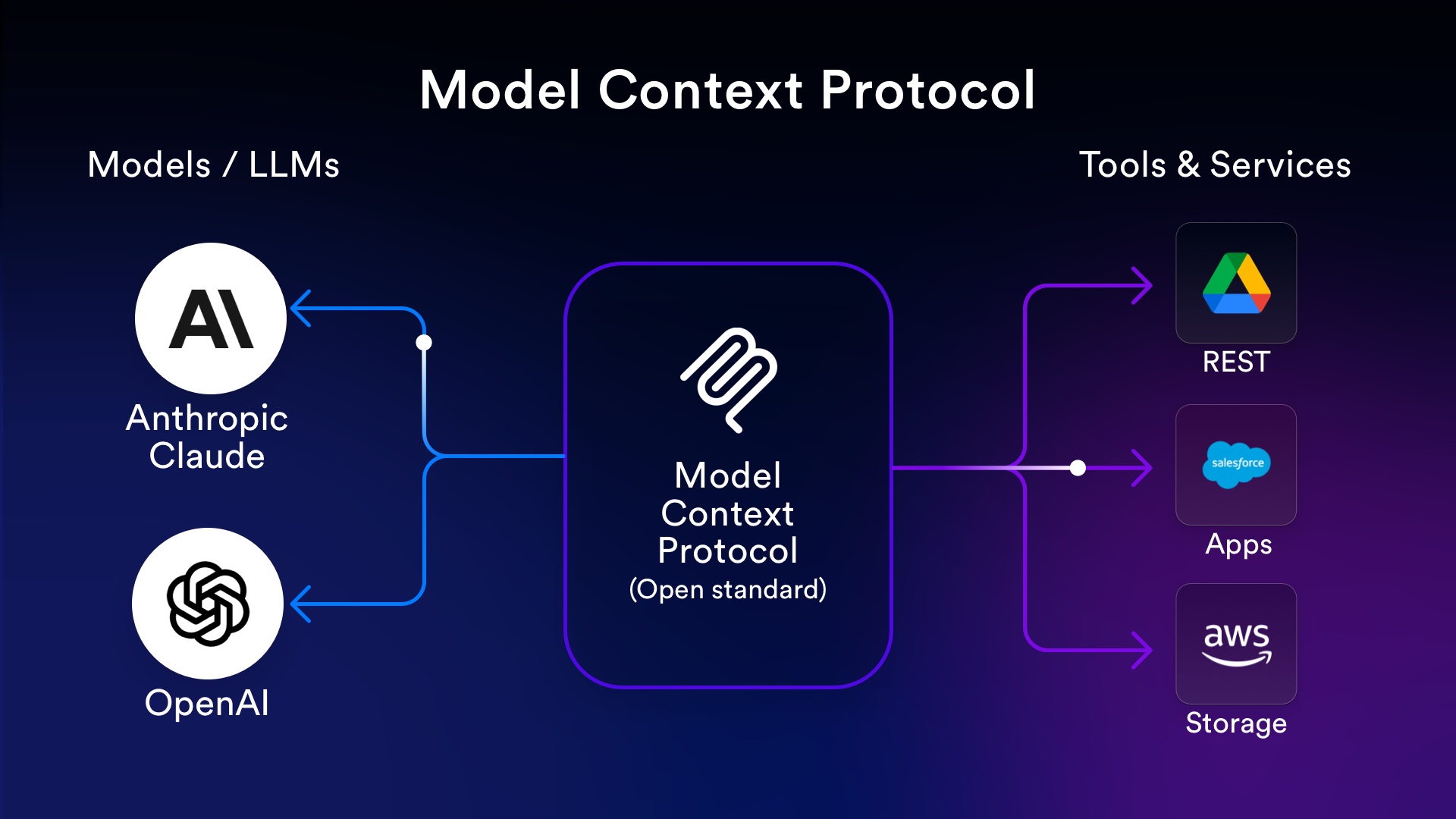
When an agent is connected to a user’s account, it is capable of performing several complex tasks. These include:
- Portfolio Construction: Agents can be instructed to scan market reports and news cycles to identify and select tickers based on specific thematic criteria, such as the AI supply chain.
- Automated Execution: Users can set programmatic rules for their agents, such as purchasing specific dollar amounts of a security when it hits a pre-defined price drop threshold within a 24-hour period.
- Portfolio Rebalancing: An agent can be tasked with adjusting a user’s asset allocation to meet specific percentage targets across various holdings.
- Risk Analysis: Agents can evaluate a user’s current portfolio to flag potential risk exposures based on the user’s defined strategy.
While these tools offer high levels of automation, the company emphasizes that the user retains ultimate control over their account. The AI agent acts as a facilitator, executing orders and managing information within the parameters defined by the account holder.
Integration of AI-Driven Credit Management
Beyond stock and crypto trading, Robinhood is also extending this agentic functionality to personal finance through the introduction of a virtual credit card. This Agentic Credit Card is designed to be managed by the user’s AI agent, allowing for automated spending controls and oversight. The card includes features such as 3% cash back, with the agent capable of navigating spending limits and category controls established by the cardholder.

This integration is part of the broader Robinhood Gold ecosystem, which requires a subscription fee of $5 per month. The platform continues to offer a variety of services, including commission-free trading for stocks and options, as well as access to the Robinhood Crypto platform, which supports the trading of various digital assets including Bitcoin, Ethereum, and Solana.
Risk Management and Platform Security
As with any move toward automated, high-frequency, or algorithmic trading, the introduction of AI agents brings inherent risks. The company provides Crypto Risk Disclosures and general trading disclaimers, noting that the technology is currently in a rollout phase. Users are encouraged to monitor the activity and performance of their agents directly within the mobile application.

For those managing larger portfolios, Robinhood also offers an expert-managed portfolio service through its subsidiary, Robinhood Asset Management. This service, which provides proactive adjustments to investments, is available to Gold members with a fee structure that eliminates management fees for assets exceeding $100,000. As these automated services evolve, the platform maintains standard security protocols, often referred to under its Robinhood Protection Guarantee, to ensure data safety.
Future Developments
Robinhood has indicated that it intends to expand the capabilities and features of its agentic infrastructure in the coming months. As the technology matures, the intersection of AI and personal finance is expected to become a central focus for retail brokerage platforms looking to differentiate their services in a competitive market.
Investors and users interested in these features should regularly check the official support documentation for the latest updates on compatibility, supported AI agents, and security best practices. As Here’s an evolving feature set, further disclosures regarding performance and specific agentic mandates are expected to be released periodically by the company.
What are your thoughts on delegating your financial decisions to an artificial intelligence agent? We invite our readers to join the conversation in the comments section below and share their perspective on the future of automated investing.
Related reading