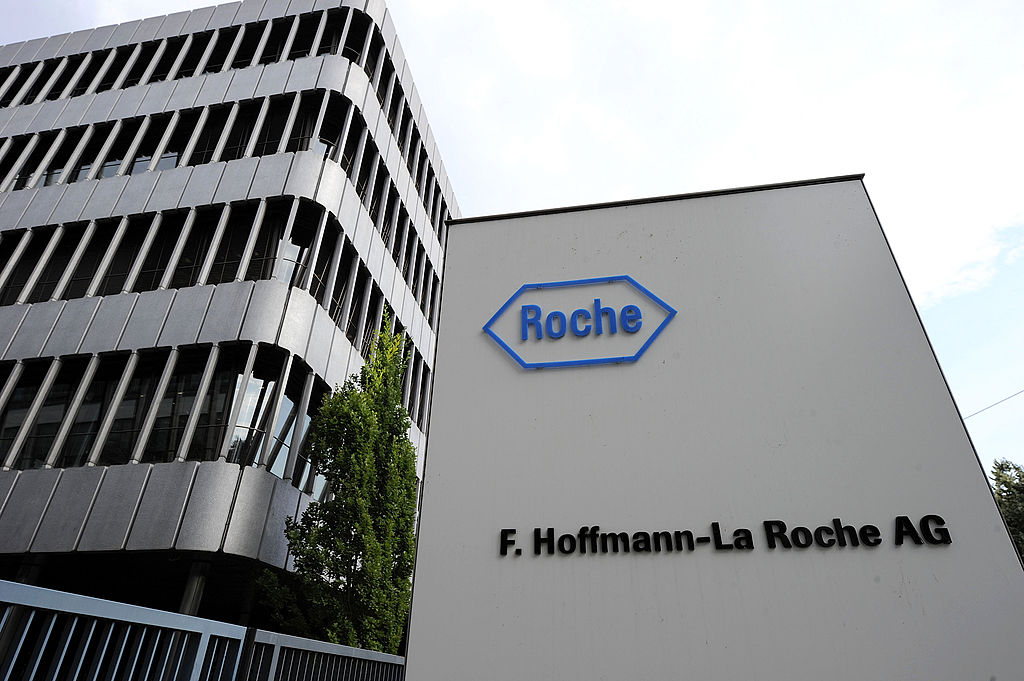
roche’s $3.5 Billion Bet on 89bio Signals a New Era in Fatty Liver Disease Treatment
The landscape of treatments for Metabolic Dysfunction-Associated Steatohepatitis (MASH), formerly known as NASH, is rapidly evolving. Recent activity, culminating in Roche’s acquisition of 89bio for up to $3.5 billion, underscores the significant potential in this space and validates a promising new approach to tackling this increasingly prevalent condition. This article breaks down the deal, the science behind it, and what it means for you if you’re affected by fatty liver disease.
A Growing Market & Emerging Therapies
MASH, a severe form of non-alcoholic fatty liver disease (NAFLD), affects millions worldwide and can lead to cirrhosis, liver failure, and even liver cancer. Until recently, treatment options were limited to lifestyle changes. However, the FDA approval of Madrigal Pharmaceutical’s Rezdiffra in 2024 marked a turning point.
This first-of-its-kind drug activates THR-beta, a receptor crucial for liver metabolism. Novo Nordisk’s wegovy, a well-known obesity medication, also recently expanded its label to include moderate-to-advanced MASH.These approvals have ignited intense interest and investment in the field.
Roche’s Acquisition of 89bio: A Focus on FGF21
Roche’s decision to acquire 89bio centers around pegozafermin, an investigational drug belonging to the FGF21 class. FGF21 is a naturally occurring hormone that plays a key role in regulating glucose and lipid metabolism. Pegozafermin aims to mimic and enhance these beneficial effects.
This acquisition follows GSK’s $1.2 billion purchase of efimosfermin alfa, another FGF21-based MASH candidate, in May. Analysts at Leerink Partners believe FGF21 represents the most compelling mechanism of action currently available for treating MASH, based on robust Phase 2b trial data.
What Makes Pegozafermin different?
pegozafermin stands out due to its potential to address both advanced fibrosis (F2/F3) and even compensated cirrhosis (F4). This is critical, as these later stages of the disease carry the highest risk of complications.
Here’s a breakdown of the potential benefits:
* Targets Advanced Disease: Designed for patients with moderate-to-advanced MASH.
* Potential for Cirrhosis Treatment: Shows promise in addressing F4 compensated cirrhosis.
* Convenient Dosing: Could offer a once-monthly injection schedule.
* Strong Clinical Data: Backed by positive results from Phase 2b trials.
Financial Implications & Future milestones
The deal structure includes an upfront payment and potential milestone-based payouts,offering significant upside for 89bio shareholders.
Here’s how the payments are structured:
* Initial Payment: Roche will pay an undisclosed amount upfront.
* Milestone Payments (up to $6/share):
* $2/share: Triggered by the first commercial sale of pegozafermin in F4 MASH cirrhotic patients (expected by Q1 2030).
* $1.50/share: Achieved with annual global net sales of at least $3 billion by the end of 2033.
* $2.50/share: Reached with $4 billion in net sales by the end of 2035.
* Potential Total Deal Value: up to $3.5 billion.
Leerink Partners projects peak global revenue for pegozafermin to reach $4.7 billion by 2035,with $2.6 billion coming from advanced fibrotic MASH and $1.6 billion from cirrhotic MASH.
What This Means for You
The Roche-89bio deal is a positive sign for anyone affected by MASH. It signifies growing confidence in the growth of effective treatments.
here’s what you should know:
* More Options are Coming: The MASH treatment landscape is becoming increasingly competitive, offering
Keep reading