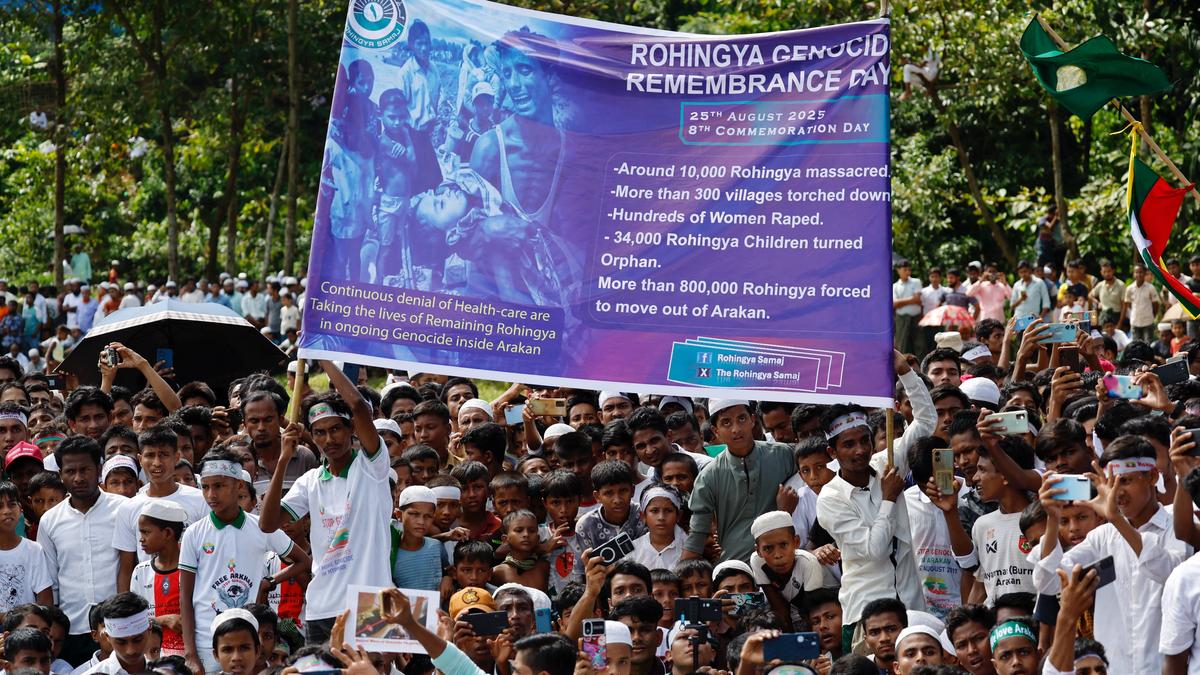
Rohingya Refugees Voice Fears as Myanmar Conflict Escalates,Hampering Repatriation Hopes
Rohingya refugees in Bangladesh are increasingly anxious about the escalating conflict in Myanmar,notably the growing influence of the Arakan Army. Recent protests at Kutupalong, one of the largest Rohingya camps, highlight a growing sense of uncertainty surrounding their potential return home. These concerns stem from the brutal history of violence they’ve endured and the current instability within Myanmar.
A History of Displacement and Trauma
The current refugee crisis began in August 2017, triggered by a brutal military crackdown in Myanmar’s Rakhine state following attacks on guard posts. This operation, characterized by its scale and ferocity, led to widespread accusations of ethnic cleansing and even genocide from the United Nations and the international community.
More than 700,000 Rohingya fled across the border to Bangladesh during this period, joining over 300,000 who had already sought refuge there following previous waves of violence. You can understand the deep-seated trauma and fear that fuels their reluctance to return without guarantees of safety and rights.
Protests Reflect Deep-Rooted Grievances
On Monday, refugees gathered at Kutupalong to express their frustration. Nur Aziz,a 19-year-old protester,articulated the core of their anguish to the Associated Press. “We are here today as the Myanmar military and the Arakan army committed genocide against our community,” he stated.
He further emphasized their desire for equal rights. “We want to go back to our contry with equal rights like other ethnic groups in Myanmar,” Aziz explained,”The rights they are enjoying in Myanmar as citizens of the country,we to want to enjoy the same rights.” This plea underscores the fundamental need for legal and social equality as a prerequisite for any sustainable repatriation.
Bangladesh’s Role and International Efforts
Bangladesh, under the leadership of former Prime Minister Sheikh Hasina, responded to the 2017 crisis by opening its borders. This compassionate act provided shelter to hundreds of thousands in need. However, the long-term burden on Bangladesh is significant, and the country has repeatedly sought international assistance.
As 2017, Bangladesh has made at least two attempts to facilitate the return of refugees. They have consistently urged the international community to exert pressure on Myanmar to create a conducive environment for repatriation. Moreover,both the Hasina and Yunus administrations have actively sought support from China in this regard.
The Arakan Army and Rising Concerns
The recent rise of the Arakan army adds another layer of complexity to the situation.The conflict between the Arakan Army and the Myanmar military is intensifying in Rakhine state, creating a volatile environment. This escalating violence directly impacts the prospects for a safe and dignified return for Rohingya refugees.
Here’s a breakdown of the key concerns:
Increased Instability: The ongoing conflict makes Rakhine state even more risky for returning refugees.
Potential for further Violence: The Arakan Army’s involvement raises fears of renewed persecution and violence against the rohingya community.
Erosion of Trust: the conflict undermines any potential trust-building measures necessary for prosperous repatriation.
Looking Ahead: A Path to Sustainable Solutions
Achieving a lasting solution requires a multifaceted approach. It’s crucial to:
Ensure Accountability: Those responsible for past atrocities must be held accountable for their actions.
Guarantee Citizenship Rights: The Rohingya must be granted full citizenship rights in Myanmar, ensuring their legal and social inclusion.
Establish Security Guarantees: Robust security guarantees, possibly involving international observers, are essential to protect returning refugees.
* Address Root Causes: Addressing the underlying political, economic, and social factors that fueled the crisis is vital for long-term stability.
The international community must remain engaged and committed to finding a durable solution that respects the rights and dignity of the Rohingya people. Without a concerted effort to address these critical issues,the prospect of a safe and voluntary return remains distant,leaving hundreds of thousands of refugees in a state of prolonged uncertainty.
Published – August 25, 2025 12:28 pm IST

![Fabrizio Copano: Political Comedy & Satire | [Year]](https://i0.wp.com/media1.popsugar-assets.com/files/thumbor/3tnP2DtdzJ4-6kQdJtoSUO3tQng%3D/0x105%3A3375x1877/fit-in/3375x4500/filters%3Aformat_auto%28%29%3Aquality%2885%29%3Aupscale%28%29/2024/05/03/879/n/1922283/1f61ec2f663543c99175d8.77912852_.jpg?resize=150%2C150&ssl=1 "Fabrizio Copano: Political Comedy & Satire | [Year]")