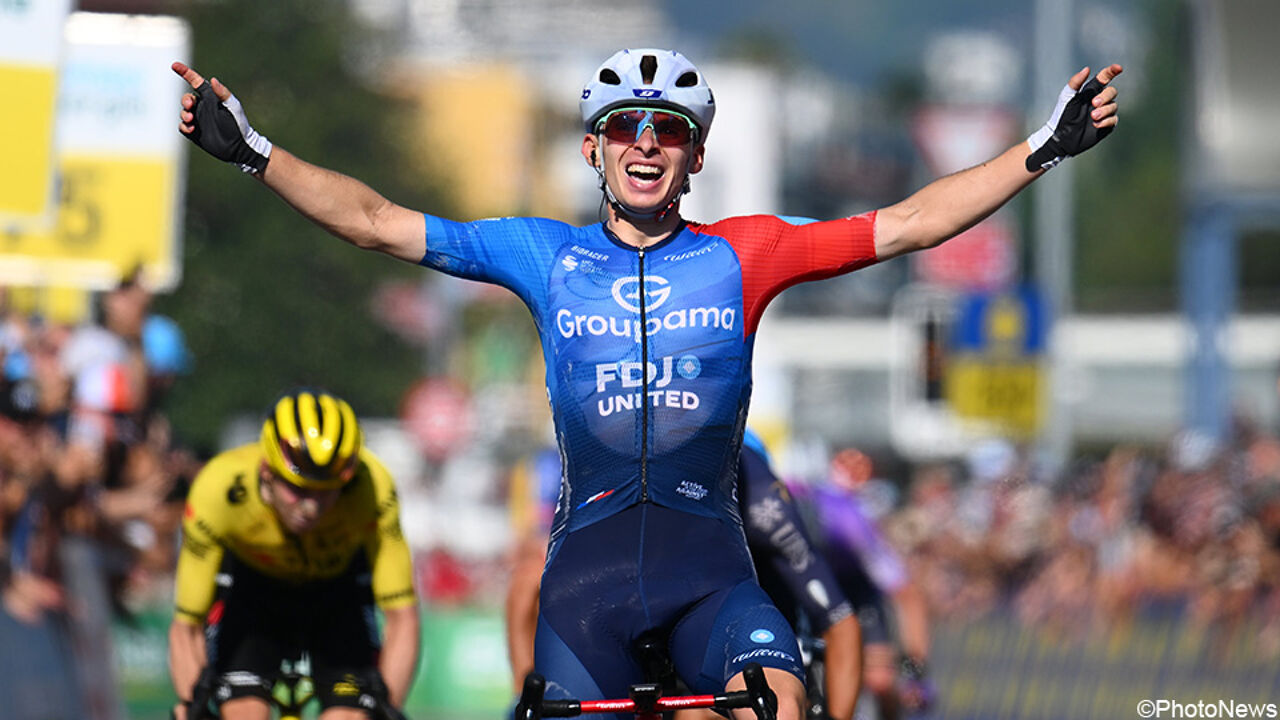
French rider Romain Grégoire secured a victory in a tactical breakaway during the fifth stage of the Tour de Suisse, while Belgian rider Emiel Verstrynge finished seventh after expressing disappointment in his missed opportunity for a podium result. The race, which continues to challenge the peloton across the Swiss terrain, saw a high-stakes finale where the breakaway group successfully held off the main field, including the current race leader, Tadej Pogačar.
The 2024 Tour de Suisse, sanctioned by the Union Cycliste Internationale (UCI), remains a critical event in the professional cycling calendar, often serving as a barometer for rider form ahead of the Tour de France. According to the official race results, the stage dynamics were heavily influenced by the breakaway’s ability to maintain a gap against the persistent pursuit of the peloton.
Breakaway Tactics and the Final Sprint
Romain Grégoire, riding for Groupama-FDJ, utilized the final kilometers to distance his companions in the breakaway, crossing the line ahead of the chasing group. The stage required significant endurance, with the breakaway riders navigating a series of climbs that tested their physical limits. Bart Lemmen, who finished in the mix for the stage victory, noted the difficulty of the finale, stating that he was disappointed to have been unable to finish off the effort in the final sprint, as reported by WielerFlits.
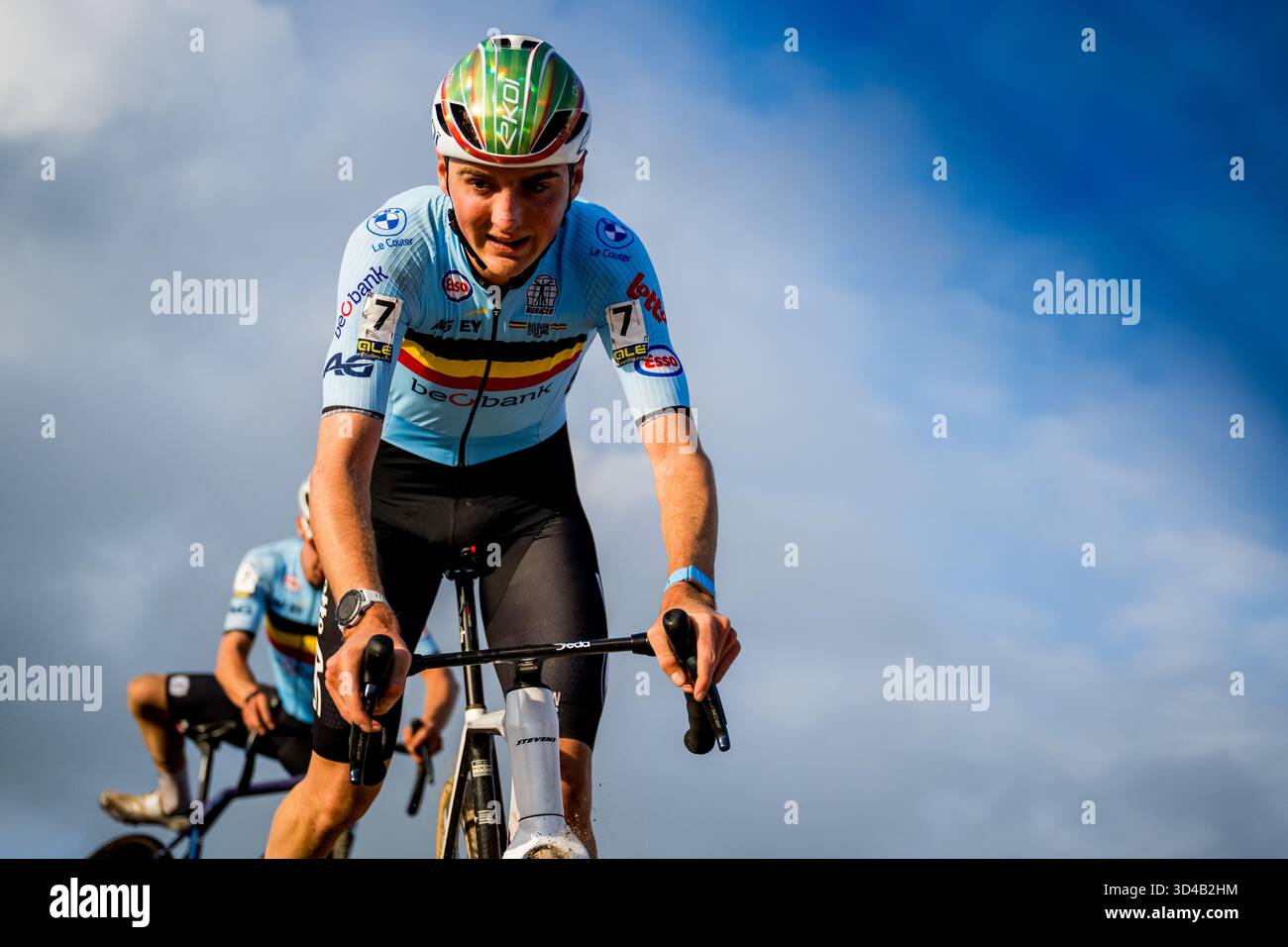
For Emiel Verstrynge, the seventh-place finish represented a moment of reflection on a missed chance. The rider indicated that the tactical nature of the breakaway did not play out in his favor during the final sprint. The intensity of the stage was further compounded by the challenging weather and road conditions characteristic of the Swiss stage race, which often force riders to adapt their strategies in real-time.
Impact on the General Classification
Tadej Pogačar, who currently leads the general classification, faced a turbulent day on the road as he and his team attempted to control the race tempo. Despite the efforts of the peloton to bridge the gap to the breakaway, the leaders maintained their advantage until the finish line. Reports from the ground indicated that Pogačar, after navigating a demanding stage, encountered frustrations with the proximity of media personnel near the finish area, a detail highlighted by coverage from De Telegraaf.
The struggle to control the breakaway illustrates the competitive depth of the field. With the race entering its final stages, the time gaps established by these tactical maneuvers become increasingly significant for the overall standings. The performance of riders like Grégoire and Lemmen underscores the unpredictability of mid-week stages in a WorldTour event.
Race Context and Professional Standards
The Tour de Suisse is classified as a UCI WorldTour race, meaning that every stage is subject to strict regulatory oversight regarding safety, timing, and conduct. According to UCI regulations, teams must adhere to specific protocols during both the racing and the post-race media obligations. These incidents, such as those involving the interaction between riders and media, are often monitored by race commissaires to ensure that professional standards are maintained throughout the competition.
The event continues to serve as a pivotal testing ground for both established stars and emerging talent. As the peloton heads toward the final stages of the race, the primary objective for the teams remains the preservation of their leaders’ positions in the general classification while chasing stage-specific victories.
The next stage of the Tour de Suisse will provide further clarity on the general classification as the riders face more mountainous terrain. Fans and followers are encouraged to monitor the official race portal for real-time updates, stage classifications, and verified participant data as the competition progresses toward its conclusion.
Related reading