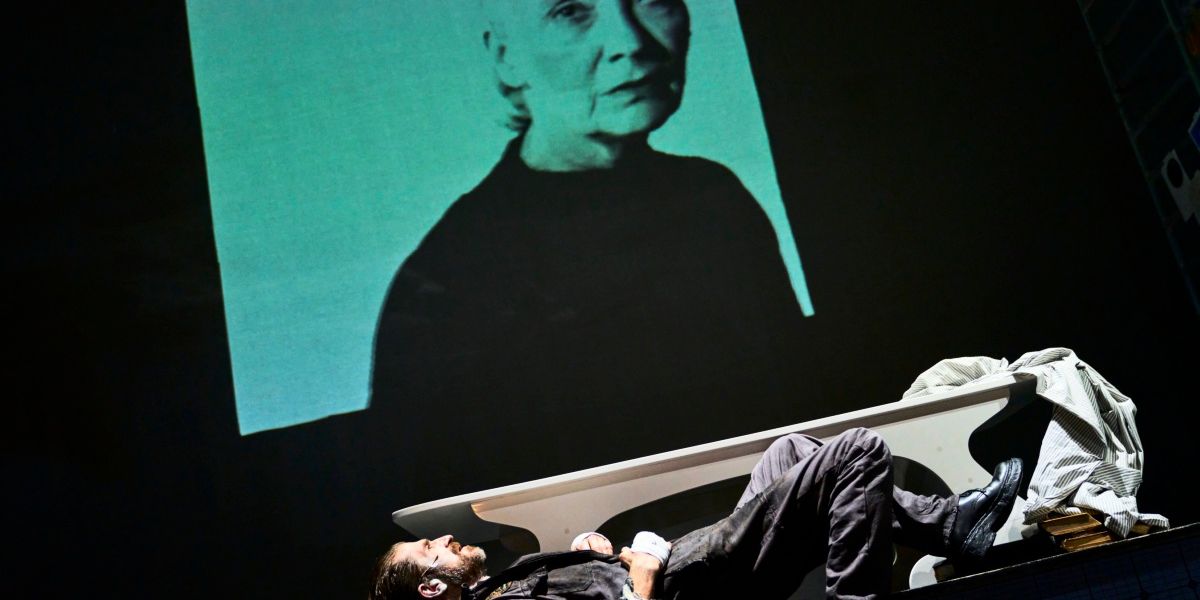
The Burgtheater-Kasino in Vienna has transformed its stage into a high-tech interpretation of Stanislaw Lem’s seminal science fiction novel Solaris, blending elaborate digital projection with physical theater. Directed by Roman Senkl, the production attempts to replicate the claustrophobic environment of the sentient planet’s research station, inviting audiences to confront themes of human memory and psychological projection through a multimedia lens.
The production, which debuted as part of the Burgtheater’s seasonal programming, utilizes extensive video mapping and digital interfaces to anchor the narrative in a contemporary aesthetic. While the technical ambition of the project is evident, critical reception has highlighted a tension between the heavy reliance on digital infrastructure and the visceral, human-centered storytelling that defines Lem’s original 1961 text.
The Technical Architecture of Solaris
At the core of the Burgtheater-Kasino adaptation is an immersive set design that functions as a digital ecosystem. Roman Senkl, known for his interest in the intersection of performance and technology, has constructed a visual language that mimics the isolation of the Solaris research station. According to the Burgtheater official program, the staging integrates live performance with real-time data processing, effectively turning the theater space into a digital laboratory.
The adaptation focuses on the psychological deterioration of the researchers stationed on a planet that manifests their own repressed memories as physical entities. By utilizing large-scale projections, the production seeks to visualize the “ocean” of Solaris—a sentient, planet-wide organism—as a shifting, non-human intelligence. This approach mirrors the philosophical questions Lem raised regarding the limits of human communication with alien life forms, as noted in literary analyses from the Encyclopedia Britannica regarding the novel’s enduring legacy in speculative fiction.
Adapting a Sci-Fi Classic for the Stage
Translating Solaris to the stage presents a distinct challenge: the novel’s internal, cerebral narrative must be externalized for an audience. In this production, Senkl emphasizes the technological disconnect between the characters. The research station is portrayed not just as a location, but as an active participant in the story, echoing the isolation that is a hallmark of the source material. The use of digital media is intended to mirror the “technique-heavy” atmosphere of the space station, where human logic is often insufficient to explain the phenomena occurring on the planet’s surface.

However, the integration of such dense digital layers has prompted discussions among critics regarding the balance of spectacle and substance. Theater reviewers have noted that while the visual display is highly detailed, the emotional core of the characters—Kris Kelvin and his colleagues—can occasionally be overshadowed by the mechanics of the production. The production aims to highlight the futility of human science when faced with the truly unknown, a central theme that the Guardian has previously explored in its retrospectives on Lem’s work.
Why the Digital Approach Matters
The decision to lean into digital installation art reflects a broader trend in modern European theater, where directors utilize virtual reality and projection mapping to create “liminal spaces.” By creating a digital version of the research station, the Burgtheater-Kasino production forces the audience to experience the same disorientation as the characters. This stylistic choice is consistent with the Burgtheater’s reputation for experimental and contemporary interpretations of classic literature.
The production remains a notable example of how classic science fiction can be re-contextualized for a digital-native audience. By stripping away the 1960s-era aesthetic of the original novel and replacing it with modern digital motifs, the play asks whether human isolation has changed in the age of constant connectivity. It serves as a reminder that regardless of the technology used, the fundamental human experience of grief and the inability to reconcile with the past remains constant.
Audience Experience and Future Showings
For those interested in the technical execution of the production, the Burgtheater-Kasino provides a unique look at how physical sets and digital assets can synchronize in a live environment. The production is scheduled for ongoing performances during the current season, with tickets and specific showtimes available through the official Burgtheater box office portal. As the run continues, the theater plans to host post-show discussions regarding the intersection of science, philosophy, and digital art in contemporary performance.

Readers who have attended the performance are encouraged to share their perspectives on whether the technical design enhanced or distracted from the narrative. As the theatrical season progresses, further updates on the production’s reception and potential touring dates will be released through official channels.
Worth a look