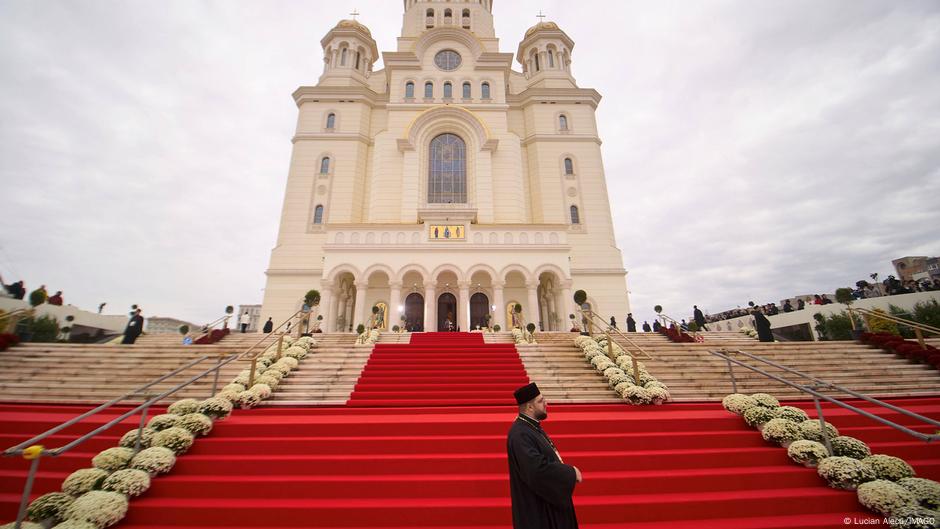
Romania Consecrates the People’s Salvation Cathedral: A Landmark Achievement and Source of Debate
Romania has unveiled the People’s Salvation Cathedral, the world’s largest Orthodox Christian church, in a momentous ceremony attended by thousands. The consecration marks the culmination of 15 years of construction and solidifies Romania’s position as a deeply religious nation. But the project hasn’t been without controversy, sparking debate over the allocation of public funds.
Here’s a thorough look at this significant event, its historical context, and the discussions surrounding its creation.
A Monumental Structure Takes Shape
The National Cathedral, as it’s also known, dominates the Bucharest skyline, reaching a height of over 125 meters (410 feet). It boasts an impressive interior capacity, able to accommodate up to 5,000 worshippers. Construction began in 2010, with the altar consecrated in 2018, and the recent ceremony signifies the completion of the core structure.
The cathedral’s interior is a breathtaking display of religious art. Over 17,800 square meters (191,000 square feet) of frescoes and mosaics depict saints and iconic religious scenes, creating an immersive spiritual experience.
Romania’s Deeply rooted Faith
This aspiring project reflects the strong religious convictions of the Romanian people. Approximately 85% of the population identifies as religious,making Romania one of the most devout countries within the European Union. For many Romanians, the cathedral represents a powerful symbol of national identity and spiritual renewal.
The consecration ceremony itself was a grand spectacle. President Nicusor Dan and Prime Minister Ilie Bolojan were in attendance, while countless others followed the proceedings on large screens set up outside the cathedral. This widespread participation underscores the importance of faith in Romanian society.
The Cost of Faith: Controversy and Criticism
The cathedral’s construction came at a significant financial cost - a reported €270 million ($313 million). A considerable portion of this funding originated from public sources, a fact that has drawn criticism, especially given Romania’s existing economic challenges.
Here’s a breakdown of the concerns:
* Budget Deficit: Romania currently faces one of the largest budget deficits in the EU.
* Choice Investments: Critics argue that the funds could have been better allocated to essential services like schools and hospitals.
* Prioritization of Needs: The debate centers on whether a mega-cathedral represents the most pressing need for a nation grappling with economic and social issues.
These concerns highlight a broader discussion about the role of religion in public life and the responsible use of taxpayer money. While proponents emphasize the cathedral’s cultural and spiritual value, opponents question the financial priorities at play.
Looking Ahead: Remaining Work and Lasting Impact
While the core consecration has taken place, some finishing touches remain. Ongoing work will refine the cathedral’s details and ensure its long-term preservation.
Nonetheless of the controversies, the People’s Salvation Cathedral is poised to become a major landmark and a focal point for Orthodox Christian worship. its impact on Romania’s cultural landscape and its role in the nation’s spiritual life will undoubtedly be felt for generations to come.
Sources:
* DW: https://www.dw.com/en/romania/t-19156115
* DW: https://www.dw.com/en/christianity/t-39413977
* National cathedral Website (for interior dimensions): [Link to official website if available – add here]
Related reading