Medieval Tower Collapse in Rome Claims Worker’s Life: A Deep Dive into the incident and Historical Significance
The heart of Rome was shaken yesterday as a section of the Torre dei conti, a medieval tower near the Colosseum, unexpectedly collapsed. Tragically, a Romanian worker involved in the tower’s ongoing restoration has died from his injuries. This incident raises critical questions about construction safety, historical preservation, and the vulnerability of ancient structures in modern urban environments.
This article provides a thorough overview of the collapse, details the rescue efforts, explores the tower’s rich history, and addresses the ongoing investigation. We’ll also examine the implications for similar restoration projects across Italy and beyond.
What Happened? A Timeline of the Collapse
The initial collapse occurred around 11:30 AM local time (10:30 AM Irish time) on November 4th,2023. videos circulating on social media and captured by Reuters show debris falling from the 29-meter (approximately 95 feet) tower.
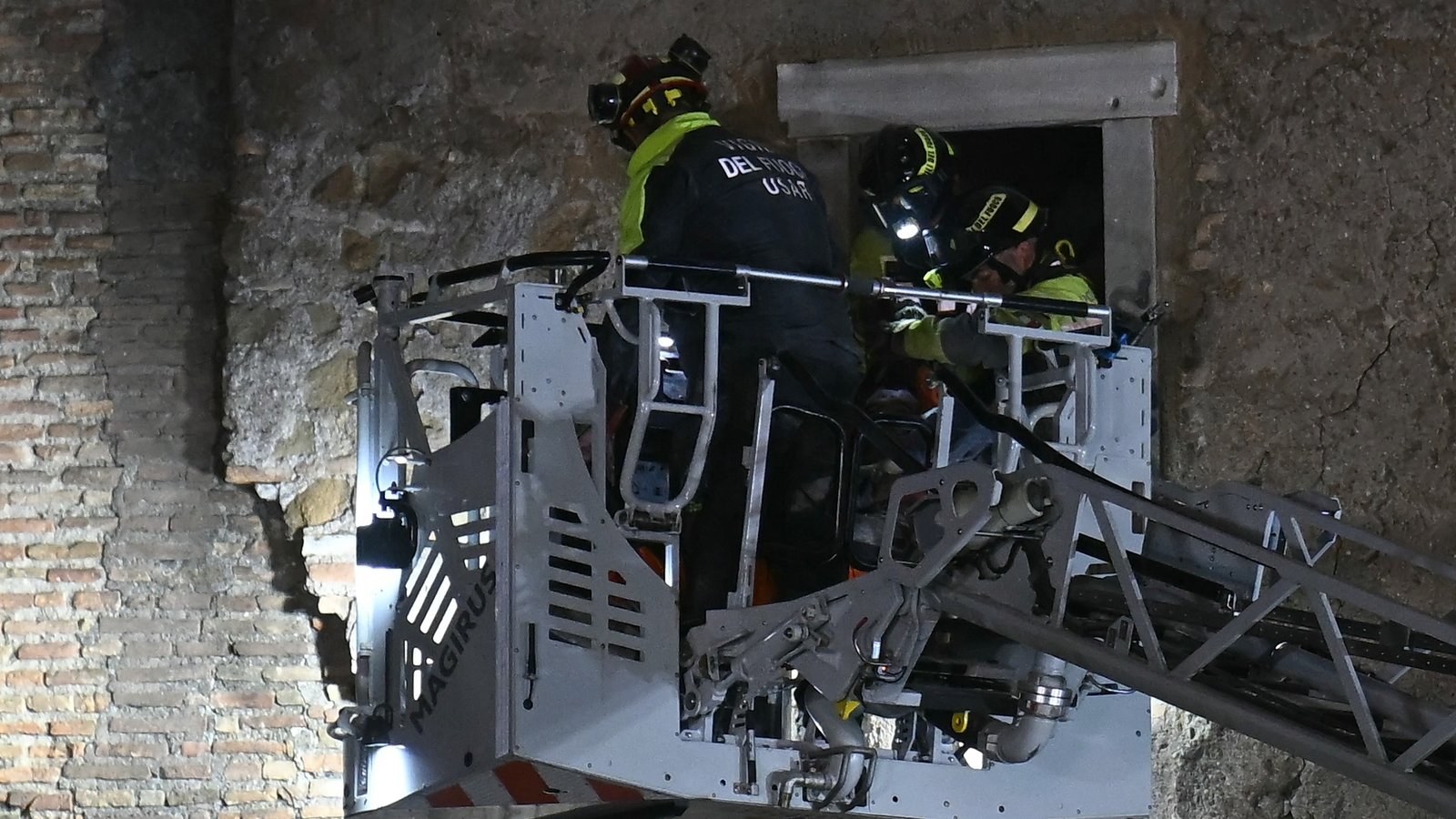
A second, more significant collapse followed approximately 90 minutes later. This second incident occurred while firefighters were actively working on the structure, utilizing aerial ladders. Clouds of dust billowed from the windows as masonry crumbled, creating a dangerous situation for both workers and emergency responders.
* initial Collapse (11:30 AM): First signs of structural failure.
* Second collapse (1:00 PM): More substantial collapse during rescue operations.
* Rescue efforts: Emergency services worked swiftly to extract workers trapped under the rubble.
* Casualties: One worker tragically died. Another sustained serious head injuries, while two others suffered minor injuries and declined hospital treatment.Thankfully, no firefighters were harmed.
Authorities have immediately seized the construction site, initiating a full investigation into the cause of the collapse. Rome’s Mayor, Roberto Gualtieri, addressed the press following the incident, expressing condolences and promising a thorough inquiry. https://www.reuters.com/world/europe/romanian-worker-dies-after-medieval-tower-collapses-rome-2023-11-04/
The Torre dei Conti: A Historical Landmark
The Torre dei Conti isn’t just another old building; it’s a tangible link to Rome’s medieval past. Constructed in the early 13th century by Pope Innocent III for his family, the tower originally stood twice its current height.
Over the centuries, earthquakes in the 14th and 17th centuries caused significant damage, necessitating a reduction in its height. Despite these setbacks, the tower remained a prominent feature of the Roman skyline.
* Original Construction: Early 13th century, commissioned by Pope Innocent III.
* Historical use: Served as a residence for the Conti family and later housed city hall offices (until 2006).
* Current Status: Undergoing a four-year, EU-funded restoration project, slated for completion next year. The planned conversion aimed to transform the tower into a museum and conference space.
* Location: Situated along the Via dei Fori Imperiali, a major avenue connecting Piazza Venezia and the Colosseum.
the area surrounding the tower was already closed to pedestrians due to the ongoing restoration work, which likely mitigated the risk of further casualties.
Investigation and Safety Concerns
The immediate priority is determining the cause of the collapse.Several factors are likely to be under scrutiny:
* Structural Integrity: Was the tower’s existing structure adequately assessed before the restoration began?
* Construction practices: Were appropriate safety measures in place during the renovation work?
* Material Fatigue: Had the materials used in the tower’s construction deteriorated over time, contributing to its instability?
* external Factors: Did recent weather conditions or vibrations from nearby construction play a role?
This tragedy underscores the inherent challenges of preserving historical structures in bustling urban environments. Balancing the need for restoration with the safety of workers and the public requires meticulous planning, rigorous oversight, and a deep understanding of the building’s historical context.[https://wwwcorriereit/roma/cronaca/23/novembre/04/crollo-torre-conti-roma-morto-opera[https://wwwcorriereit/roma/cronaca/23/novembre/04/crollo-torre-conti-roma-morto-opera[https://wwwcorriereit/roma/cronaca/23/novembre/04/crollo-torre-conti-roma-morto-opera[https://wwwcorriereit/roma/cronaca/23/novembre/04/crollo-torre-conti-roma-morto-opera
Worth a look