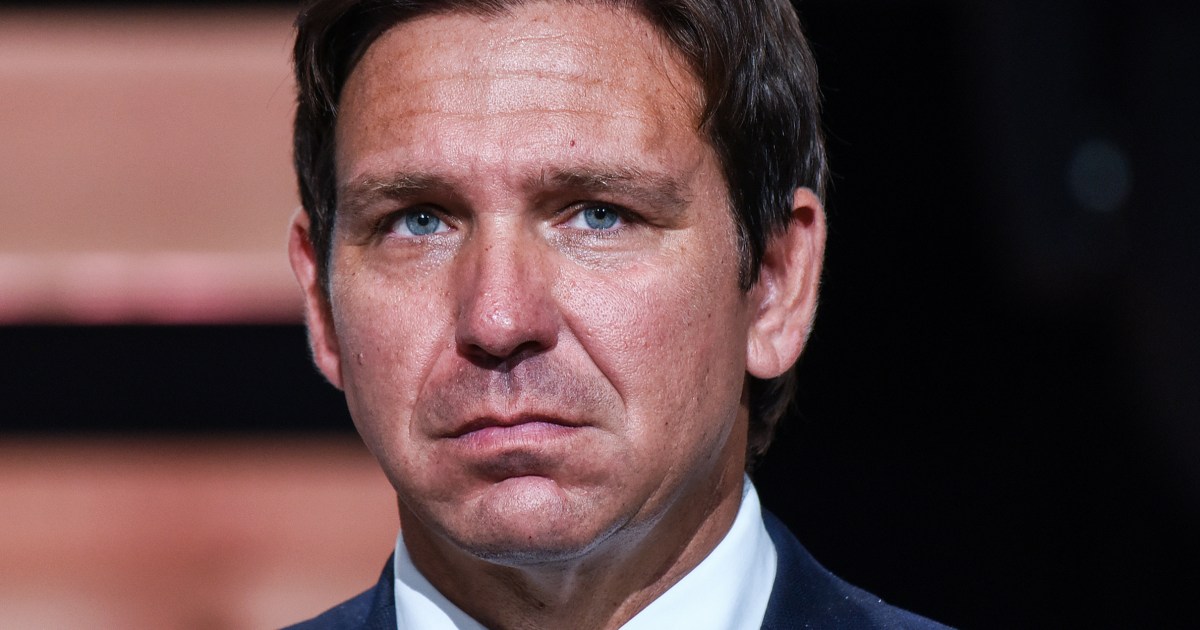
Florida Governor Ron DeSantis has signed a significant new law that grants state officials the authority to designate groups as domestic or foreign terrorist organizations and allows for the expulsion of state university students who support such groups. The legislation, known as HB 1471, was signed on April 6, 2026, in Tampa, Florida Florida Governor’s Office.
The new measure represents a substantial expansion of the state’s counterterrorism framework. Under the law, a top official at the Florida Department of Law Enforcement (FDLE) can recommend the designation of a group as a terrorist organization. This recommendation is then subject to approval or rejection by Governor DeSantis and three other members of the Florida Cabinet: the state attorney general, the chief financial officer and the agriculture commissioner AP News.
Beyond the labeling of organizations, HB 1471 introduces strict penalties for those designated. Once a group is labeled a terrorist organization, it can be dissolved and is prohibited from receiving any state funding through state agencies or school districts. The law mandates that universities report the status of any expelled students attending on visas to U.S. Immigration and Customs Enforcement (ICE) NBC News.
Governor DeSantis framed the legislation as a necessary step to protect the rule of law and state institutions. During a news conference in Tampa, he stated, “To uphold the rule of law, our state must operate under one legal system, the Constitution must remain the law of the land, and we must defend our institutions from those who would harm us—especially terrorist organizations that seek to infiltrate and subvert our education system” Florida Governor’s Office.
Legal Restrictions on Foreign and Religious Laws
A core component of HB 1471 is the strengthening of protections against the application of foreign and religious laws that violate constitutional rights. Specifically, the legislation prohibits Florida courts from applying or enforcing foreign or religious laws—including Sharia law—if doing so would infringe upon constitutional rights Florida Governor’s Office.
The bill further blocks the use of foreign judgments, contracts, or specific legal provisions that attempt to bypass these constitutional protections. This move is part of a broader strategy by the DeSantis administration to limit foreign influence within the state. This follows a December executive order that directed state agencies to prevent unlawful activity by terrorist organizations, which included denying contracts, funding, and other benefits to entities providing material support Florida Governor’s Office.
Impact on Higher Education and Student Status
The intersection of the new law and the state university system is one of the most contentious points of the legislation. By allowing the state to expel students who support designated terrorist organizations, the law creates a direct link between political or organizational affiliation and academic standing. For international students, the consequences are particularly severe, as universities are now required to report the status of expelled visa-holding students to federal immigration authorities AP News.
Free speech advocates have criticized the measure, arguing that it could be used to target students based on their beliefs or associations. The ability to designate “domestic” terrorist organizations at the state level provides a tool that critics fear could be applied broadly to political dissidents or campus activists AP News.
The Framework for Terrorist Designations
The process for labeling an organization under HB 1471 is structured to ensure a level of executive oversight. The Chief of Domestic Security for the Florida Department of Law Enforcement is authorized to recommend a designation. Yet, the final decision rests with the Governor and the Florida Cabinet, which consists of the attorney general, the chief financial officer, and the agriculture commissioner NBC News.

The legislation also ensures that any foreign terrorist organizations already recognized at the federal level can be enforced at the state level. This creates a streamlined mechanism for the state to apply federal designations to local entities, funding streams, and institutional partnerships Florida Governor’s Office.
This legislative action follows previous attempts by Governor DeSantis to designate specific groups. In December, the Governor designated the Muslim Brotherhood and the Council on American-Islamic Relations (CAIR) as foreign terrorist organizations via executive order. However, a federal judge temporarily blocked the enforcement of that specific executive order last month NBC News.
Key Takeaways of HB 1471
- Terrorist Designations: Allows the FDLE and Florida Cabinet to label groups as domestic or foreign terrorist organizations.
- University Consequences: State universities can expel students who support designated groups and must report visa-holding students to ICE.
- Financial Penalties: Designated groups can be dissolved and are barred from receiving state funding via agencies or school districts.
- Legal Restrictions: Prohibits the enforcement of foreign or religious laws (including Sharia law) if they violate constitutional rights.
- Federal Alignment: Ensures federal terrorist designations are enforceable at the state level.
As the state begins to implement HB 1471, the focus will likely shift to the first set of recommendations made by the Florida Department of Law Enforcement and the subsequent reactions from civil liberties organizations and the judicial system. Those seeking official updates on the law’s application can monitor the official Florida Governor’s website for press releases and executive actions.
We invite our readers to share their perspectives on this development in the comments below and share this report with others interested in global political analysis.
Keep reading