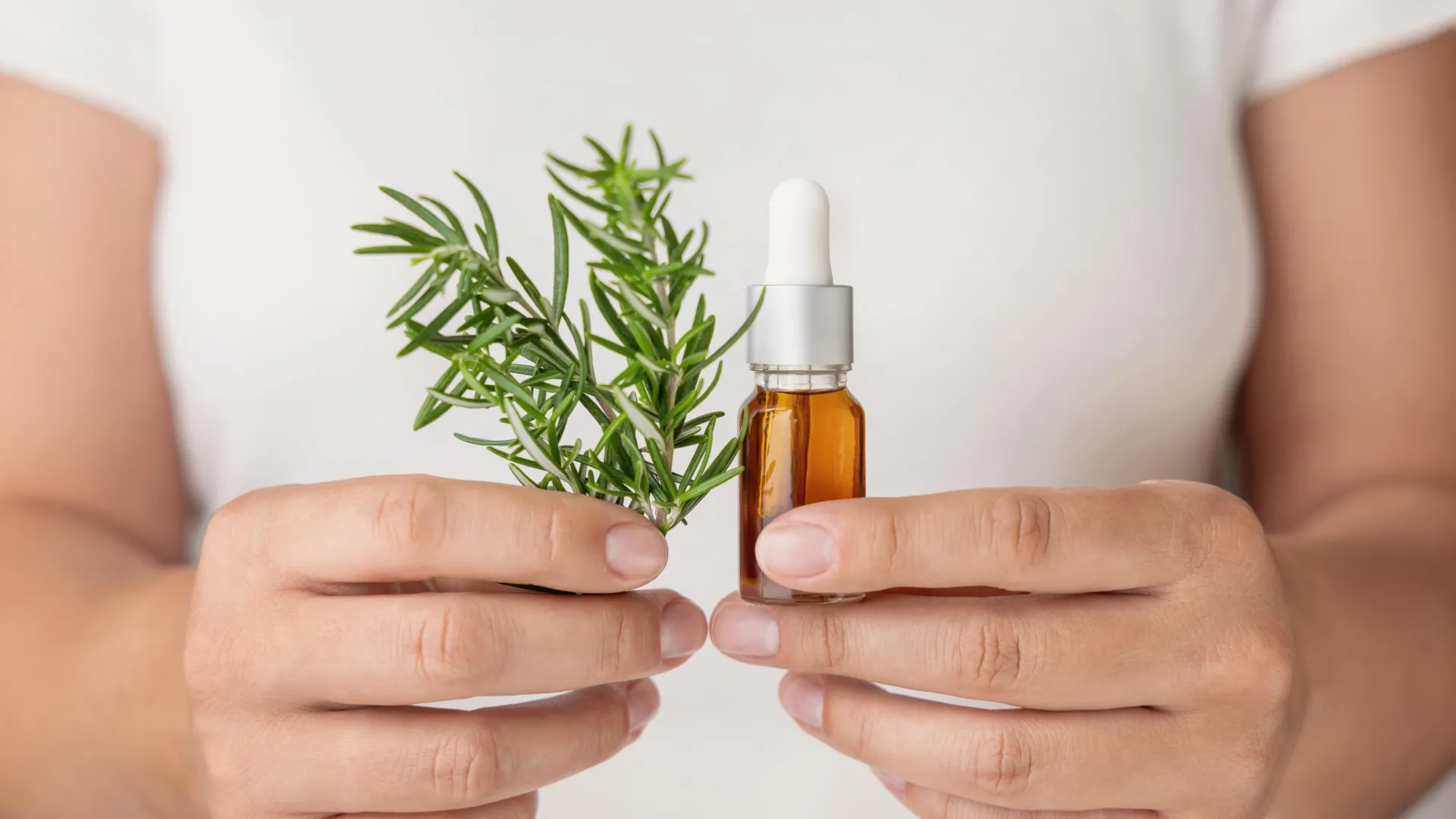
Rosemary for Scarless Wound Healing: the Science Behind the TikTok Trend
For months,rosemary oil and rosemary-infused skincare products have surged in popularity on social media platforms like TikTok and Instagram,touted for their potential to improve skin health and accelerate healing. Now, groundbreaking research from the University of Pennsylvania‘s Perelman School of Medicine provides compelling scientific evidence supporting thes claims, suggesting rosemary extract – specifically its potent antioxidant, carnosic acid – may hold the key to promoting scarless wound healing.
The Problem with Scarring: Why This Research Matters
Scarring isn’t merely a cosmetic concern.While many skin injuries heal, they often do so with the formation of scar tissue.This can lead to long-term aesthetic issues, restricted movement, and even chronic pain for some individuals. Current methods for consistently preventing or minimizing scarring are limited, creating a significant need for effective solutions. This research offers a promising,naturally-derived avenue for improving wound recovery.
from Social Media Buzz to Scientific Investigation
The study, published in JCI Insight, originated from the curiosity of Penn undergraduate student Jiayi Pang and PhD candidate Emmanuel Rapp reyes. Observing the widespread promotion of rosemary-based products online, they approached Dr. Thomas Leung, an Associate Professor of Dermatology at Penn, to investigate the scientific basis for these claims.
“We hypothesized there was likely something real behind the hype because rosemary contains many antioxidants,” explains Pang. “But we knew to realy uncover its potential, we needed to prove its healing properties and uncover how exactly it was facilitating healing.”
How Rosemary Promotes Scarless Healing: The Role of Carnosic Acid & TRPA1
the research team focused on carnosic acid, a powerful antioxidant abundant in rosemary leaves. Through laboratory experiments using mice, they developed a topical cream containing this compound and observed remarkable results:
* Accelerated Wound Closure: Wounds treated with the carnosic acid cream healed substantially faster.
* Regeneration of Skin Structures: The cream facilitated the regeneration of crucial skin components, including hair follicles, oil glands, and even cartilage – elements often damaged during the healing process.
* Activation of TRPA1: Crucially, the researchers discovered that carnosic acid activates a skin nerve sensor called TRPA1. This receptor has previously been linked to the body’s natural ability to heal without scarring. when TRPA1 was blocked in mice, the regenerative effects of the cream were eliminated, confirming its vital role.
“We also identified other herbs, such as thyme and oregano, that may activate TRPA1,” notes Rapp Reyes. “But rosemary stood out for its potency and, importantly, its safety profile.” Unlike other TRPA1 activators like mustard oil or the medication imiquimod, rosemary doesn’t cause the irritation and inflammation often associated with these alternatives.
Localized Action: Why Rosemary Works Where Applied
A key finding of the study is the localized nature of rosemary’s regenerative effects. The team found that applying the carnosic acid cream only to the site of the injury resulted in scar-free healing. Application to distant skin areas had no impact, demonstrating that the benefits are directly tied to topical application. This targeted action minimizes potential systemic effects.
Beyond Rosemary: Exploring the Potential of Other Herbs
While rosemary demonstrates significant promise, the research opens doors to investigating other plants containing TRPA1-activating compounds. Thyme and oregano were identified as potential candidates, suggesting a broader range of natural ingredients could contribute to improved wound healing.
Important Considerations & Future Research
While these findings are exciting, the researchers emphasize the importance of consulting with a healthcare professional before incorporating rosemary products into your skincare routine, especially if you have sensitive skin or pre-existing conditions. Creating homemade remedies also carries inherent risks.
Dr. Leung concludes, “If rosemary is part of your skincare regimen and you think it’s working, it likely is.” He also highlights the value of curiosity-driven research, praising Pang and Rapp Reyes for pursuing answers to questions sparked by everyday observations.
The Penn team’s research paves the way for further investigation into the potential of rosemary and other natural compounds in human wound care.Specifically, future studies will focus on:
* Clinical Trials: Testing the efficacy of carnosic acid creams in human subjects.
* optimizing Formulations: Developing optimal concentrations and delivery methods for maximum benefit.
* Identifying Scar-Prone Individuals: Determining which individuals are most likely to benefit from rosemary-based treatments.
The Bottom Line:
The science is catching up to the social media hype. Rosemary, and specifically its active compound carnosic acid, shows significant promise as a natural aid in promoting scarless wound healing. While more research is needed, this study provides a
- Ancient Inca Mummies Reveal True Origins of Smallpox in the Americas
- CGM Support for Association Members: A Vital Investment in Health Insurance Savings and Diabetes Complication Prevention
- White House TikTok Video Sparks Controversy Over Song Choice (world-today-news.com)
- Antihistamines Don't Really Lose Their Punch. Sprays Do. (daybreakwire.com)