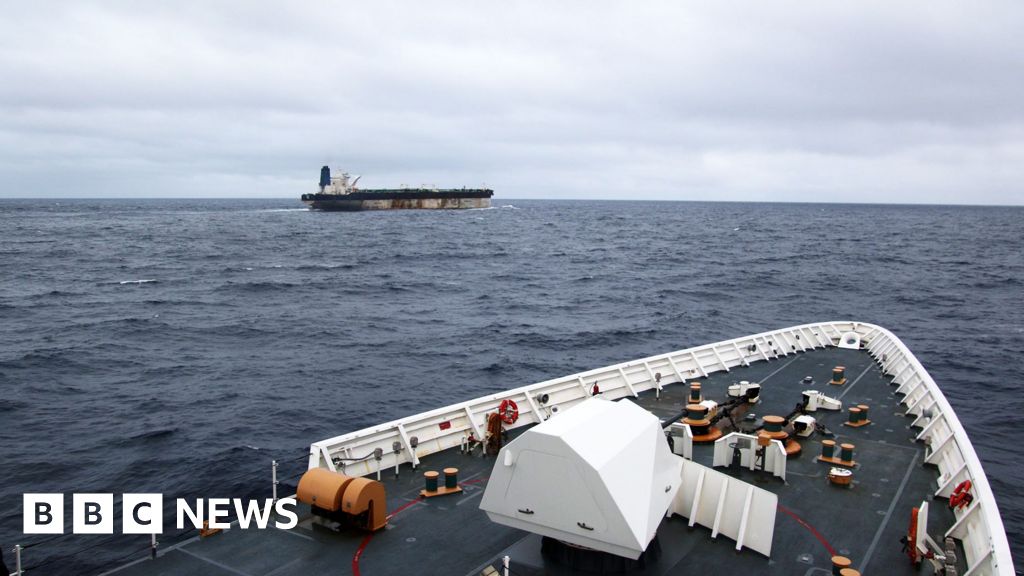
Royal Marine Commandos boarded a Russian-linked oil tanker in the English Channel on Sunday, an operation that highlights the intensifying efforts by the United Kingdom to intercept vessels suspected of circumventing international sanctions. The boarding, which lasted approximately six hours, was part of a broader strategy to disrupt the so-called “shadow fleet”—a network of aging tankers often operating without standard insurance or transparent ownership to transport Russian crude oil in defiance of price caps imposed by G7 nations, the European Union, and Australia.
The intervention, confirmed by official government sources, underscores a growing trend of maritime enforcement in the waters surrounding the British Isles. While specific details regarding the vessel’s identity and its current cargo remain subject to ongoing investigations, the maneuver signals a more assertive stance from the Ministry of Defence regarding the enforcement of the UK’s Russia (Sanctions) (EU Exit) Regulations 2019. These regulations empower authorities to detain ships that are suspected of violating prohibitions on the transport of sanctioned goods.
Understanding the Shadow Fleet and Maritime Sanctions
The term “shadow fleet” refers to a collection of vessels that operate outside the transparency of the mainstream shipping industry. According to data provided by the International Energy Agency (IEA), these ships often switch off their Automatic Identification System (AIS) transponders to mask their movements, making them difficult to track. The primary goal of these operations is to bypass the $60-per-barrel price cap on Russian seaborne crude oil, a measure designed to limit Moscow’s revenue while keeping global energy markets supplied.
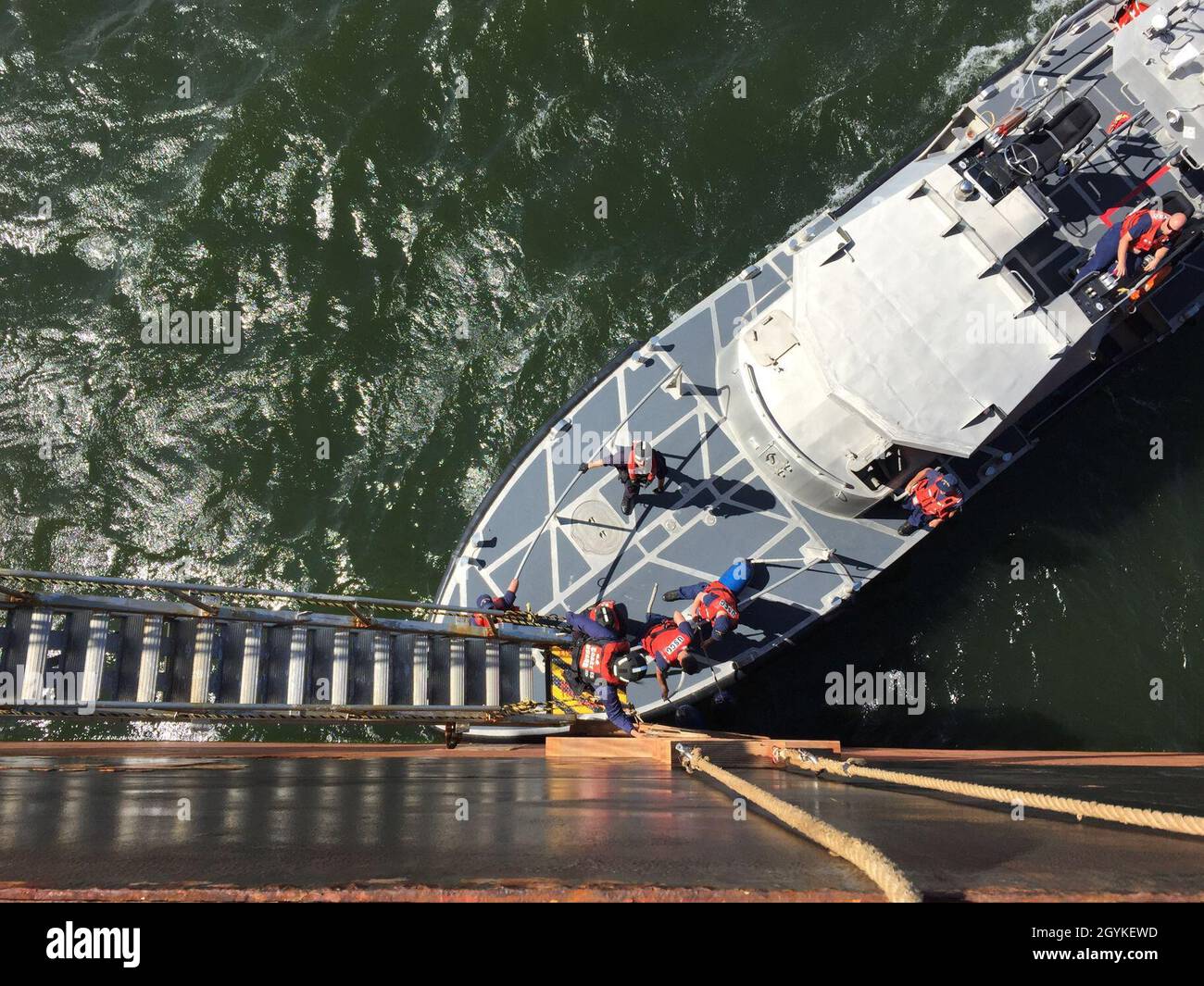
The boarding in the English Channel is not an isolated incident. The UK government, working in conjunction with international partners, has increasingly utilized its naval assets to monitor vessels that exhibit suspicious behavior patterns, such as “dark” transit or ship-to-ship transfers. Under the Sanctions and Anti-Money Laundering Act 2018, the UK government maintains the legal authority to inspect and, if necessary, seize vessels within its territorial waters if there is reasonable cause to suspect a breach of sanctions compliance.
Operational Challenges in the English Channel
Executing a boarding operation in the English Channel presents significant logistical and safety challenges. The channel is one of the world’s busiest shipping lanes, requiring precision to ensure that boarding teams can safely secure a vessel without disrupting commercial traffic or risking an environmental incident. The operation on Sunday, which reportedly spanned six hours, necessitated close coordination between the Royal Marines and maritime authorities tasked with monitoring vessel traffic services.

For the maritime industry, these interventions create a climate of heightened regulatory risk. Insurers and port authorities are increasingly wary of vessels that appear in the “shadow” category, as they may face legal repercussions or port entry denials. As reported by Reuters, the proliferation of these tankers has forced regulators to refine their tracking methodologies, moving beyond simple satellite monitoring to include physical inspections and closer scrutiny of insurance documentation.
What Happens Next for the Vessel and Crew
Following the boarding, the vessel remains under the scrutiny of the relevant UK regulatory bodies. Typically, when a ship is intercepted for potential sanctions violations, the process involves a thorough audit of the ship’s manifest, insurance certificates, and the history of its recent voyages. If evidence of a violation is confirmed, the vessel may face detention, fines, or the seizure of its cargo under the Maritime and Coastguard Agency’s enforcement powers.
The next steps in this specific case will likely involve formal notifications to the vessel’s flag state and the beneficial owners. Should the investigation conclude that the vessel was engaged in illicit activity, it would join a growing list of ships currently barred from UK ports or subject to legal action. Authorities have indicated that they will provide updates as the investigation progresses through the necessary legal channels.
This incident serves as a stark reminder of the complexities involved in global energy trade and the enforcement of international economic policy. As the UK continues to monitor its coastline, the maritime sector should expect continued vigilance from defense and regulatory agencies. Readers are encouraged to monitor the official government news feed for further developments regarding this operation and any subsequent legal proceedings. We welcome your thoughts and insights on this matter; please share this article to join the discussion.