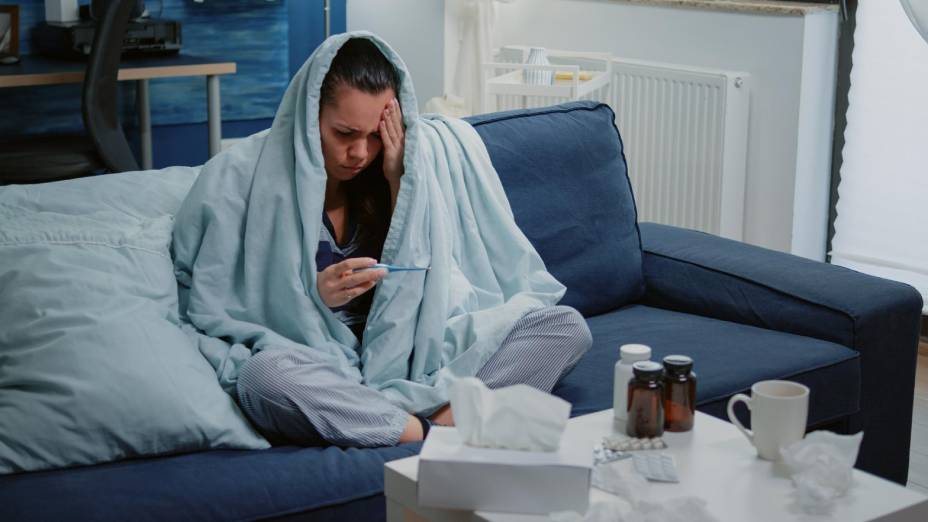
Rising Respiratory Virus Cases in New York: RSV Hospitalizations Outpace Flu and COVID-19
New York State is currently experiencing a surge in respiratory illnesses, with the Respiratory Syncytial Virus (RSV) driving a significant number of hospitalizations, particularly among infants and older adults. Recent data indicates that hospitalizations due to RSV are exceeding those linked to both influenza and COVID-19, prompting health officials to urge eligible residents to receive vaccinated. This confluence of circulating viruses—RSV, influenza, and COVID-19—is placing strain on healthcare systems and raising concerns about public health. The New York City Department of Health has also released data showing a substantial number of flu cases this season, with over 146,000 reported cases to date.
As of the week ending February 14, 2026, New York State reported 5,785 cases of RSV and 819 associated hospitalizations, marking the ninth consecutive week of stable or increasing figures. This trend underscores the persistent threat posed by RSV, especially to vulnerable populations. Alongside RSV, the state is also witnessing an uptick in influenza and COVID-19 cases. During the same week, 7,553 influenza cases were reported, a 21 percent increase, and 4,029 COVID-19 cases were identified, resulting in 314 and 390 hospitalizations, respectively. These numbers highlight the complex interplay of multiple respiratory pathogens circulating simultaneously.
Understanding RSV: Who is at Risk?
The Respiratory Syncytial Virus (RSV) is a common respiratory virus that typically causes mild, cold-like symptoms. However, it can lead to severe illness, particularly in infants and young children, as well as older adults and individuals with weakened immune systems. According to the New York State Department of Health, RSV spreads through contact with secretions from the nose and throat of infected individuals, often via coughing and sneezing. It can also be transmitted through contact with contaminated surfaces.
Symptoms of RSV often mimic those of a common cold, but can progress to pneumonia, especially in high-risk groups. The illness can range from mild to severe, and symptoms can last for several days or weeks. The incubation period, the time between exposure and the onset of symptoms, is typically four to six days. While most individuals are contagious for less than 10 days after symptoms appear, the contagious period can be longer in some cases.
Vaccination Efforts and Availability
Health officials are strongly encouraging vaccination as a key strategy to mitigate the impact of RSV, influenza, and COVID-19. The New York State Department of Health is urging eligible individuals to receive updated vaccinations. Vaccines against RSV are now recommended for a range of populations, including newborns, infants up to eight months old, children under two years with specific risk factors, and adults aged 75 and older. Individuals aged 50 and above with chronic health conditions are also advised to get vaccinated. Pregnant women between 32 and 36 weeks gestation can also receive the RSV vaccine to protect their newborns.
The availability of vaccines is widespread, with doses accessible at pharmacies, medical offices, and local health departments. Most insurance plans cover these vaccinations without copay, and free options are available through the Vaccines for Children and Vaccines for Adults programs for those without insurance coverage. New Yorkers can utilize the NYC Health Map to locate nearby vaccination sites for COVID-19, influenza, and RSV, including options for individuals without health insurance. The NYC Department of Health provides this resource to facilitate access to vital preventative care.
Beyond Vaccination: Preventative Measures
While vaccination is a crucial defense, public health officials emphasize the importance of practicing preventative measures to further reduce the spread of respiratory viruses. These measures include frequent handwashing, avoiding touching the face, staying home when sick, covering coughs and sneezes, and disinfecting commonly touched surfaces. These simple steps can significantly contribute to minimizing transmission and protecting vulnerable individuals.
The Broader Context: Multiple Viruses Circulating
The current situation in New York is complicated by the simultaneous circulation of multiple respiratory viruses. The increase in influenza cases, coupled with ongoing COVID-19 transmission, adds to the burden on the healthcare system and increases the risk of co-infection—meaning an individual is infected with more than one virus at the same time. Co-infections can lead to more severe illness and complications. The New York City Department of Health reported over 1,700 confirmed flu cases during the week ending February 7, 2026, marking the first increase in cases since the week ending December 20, 2025.
The influenza season can extend into early May, and health officials continue to recommend vaccination as the most effective way to protect against the flu. The CDC also provides recommendations for preventing the spread of respiratory viruses, including staying up-to-date on vaccinations and practicing good hygiene. The New York State Department of Health website provides comprehensive information on COVID-19, including vaccination updates and guidance on preventing transmission.
Key Takeaways
- RSV hospitalizations in New York State currently exceed those for flu and COVID-19.
- Vaccination is strongly recommended for eligible individuals to protect against RSV, influenza, and COVID-19.
- Preventative measures, such as handwashing and staying home when sick, are crucial for reducing the spread of respiratory viruses.
- The simultaneous circulation of multiple viruses poses a challenge to public health and healthcare systems.
Health officials will continue to monitor the situation closely and provide updates as new data becomes available. The next data release from the New York City Department of Health is scheduled for February 19, 2026. Readers are encouraged to stay informed and consult with their healthcare providers for personalized advice. Share this information with your network to facilitate protect our communities.
Worth a look