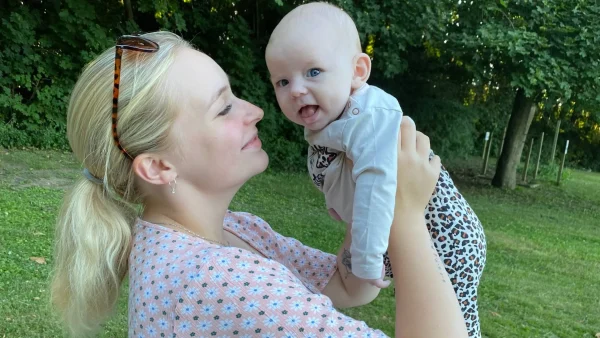
For many new parents, the first few months of a child’s life are envisioned as a period of serene bonding—a “pink cloud” of joy and discovery. However, for Amber, a 25-year-old mother, this period was shattered when her daughter, Lucie, became critically ill at just two months old. The diagnosis was a dual infection of the RS-virus (respiratory syncytial virus) and adenovirus, a combination that led to a harrowing hospitalization and long-term health challenges.
The experience serves as a stark reminder of the vulnerability of newborns and the potential risks associated with common social behaviors, such as kissing infants. Even as these gestures are often seen as expressions of affection, they can facilitate the transmission of pathogens that a developing immune system is ill-equipped to handle. In Lucie’s case, the impact of the RS-virus in infants was not a fleeting illness but a catalyst for ongoing medical needs.
The sudden onset of Lucie’s symptoms required immediate medical intervention. Amber recalls the urgency of the situation, noting that the illness appeared abruptly. Upon visiting a pediatrician, the diagnosis was identified almost instantly. The physician was able to recognize the infection by observing Lucie’s breathing patterns, specifically a distinct chest movement characteristic of infants battling the RS-virus.
Recognizing the Signs of Respiratory Distress
The clinical presentation of RS-virus in newborns often manifests as significant respiratory struggle. For Lucie, the infection caused severe difficulty breathing, which was accompanied by intestinal problems and dehydration. These complications made immediate hospitalization necessary. Amber describes the experience as heartbreaking, as she and her partner were forced to hand over their two-month-old daughter to medical staff just as they were beginning to navigate the complexities of motherhood.
The diagnostic process involved a series of tests that confirmed the presence of both the RS-virus and an adenovirus. This co-infection increased the severity of the illness, placing an immense strain on Lucie’s underdeveloped lungs.
The Intensity of Neonatal Hospitalization
Lucie remained in the hospital for one week, a period Amber describes as a “hellish week.” Given that her lungs were too weak to function independently, she required supplemental oxygen to maintain her saturation levels. She was administered various types of antibiotics as part of her treatment regimen to manage the infection.
For a first-time mother, the transition from the expectation of a peaceful newborn phase to the reality of a “hospital bubble” is psychologically taxing. Amber notes that the support of the medical staff was crucial during this time, providing the necessary care to stabilize Lucie’s condition and ensure her survival through the acute phase of the infection.
Lasting Impacts on Pediatric Lung Health
While the acute crisis ended after a week, the consequences of the infection persisted. Lucie is now nearly four years old, but she continues to suffer from health problems directly resulting from the initial infection. Because she was so young when she contracted the virus, her lungs sustained significant damage.

This long-term vulnerability means that even a minor cough can trigger respiratory distress for Lucie. To manage these symptoms, she requires the employ of aerosols or puffers, indicating a chronic sensitivity in her airways that remains years after the initial hospitalization. This trajectory highlights how an early-life respiratory infection can leave a permanent mark on a child’s physiological development.
The Risks of Social Contact for Newborns
Reflecting on how the infection occurred, Amber suspects that the transmission was linked to the high volume of visitors who hugged and kissed Lucie during her first two months. Being first-time parents, Amber and her partner allowed these common social interactions without restriction. It was only later, through communication with a physician, that they learned the RS-virus had been circulating within their own family at the time of the illness.
This revelation brought a sense of betrayal and guilt. Amber expressed a desire to have been stricter with visitors, stating, “Had I but said: ‘No kisses for my baby.'” The realization of how a single gesture of affection could lead to a life-altering medical crisis has shaped her perspective on neonatal care. She now advocates for a strict boundary: if a visitor is feeling unwell, they should not visit and they should absolutely avoid kissing infants.
Key Takeaways for New Parents
- Monitor Breathing: Be alert to unusual chest movements or labored breathing in infants, as these can be primary indicators of RS-virus.
- Limit High-Risk Contact: Newborns are exceptionally vulnerable; limiting kisses and hugs from visitors, especially those with cold-like symptoms, can reduce transmission risks.
- Understand Co-infections: The presence of multiple viruses, such as RS-virus and adenovirus, can complicate the clinical picture and increase the likelihood of hospitalization.
- Long-term Awareness: Severe early-life respiratory infections can lead to chronic lung sensitivity, requiring long-term management with medications like puffers.
The story of Lucie and Amber underscores the critical importance of the first few months of life. While the desire to share a new baby with family and friends is strong, the biological vulnerability of the infant must take precedence. Protecting newborns from common viruses is not merely a precaution but a necessary step in ensuring their long-term respiratory health.
There are no further scheduled updates regarding Lucie’s specific medical case at this time. Parents are encouraged to consult their pediatricians regarding current vaccination schedules and hygiene protocols to protect their infants from respiratory syncytial virus.
Do you have experience navigating infant health challenges or implementing visitor boundaries with a newborn? Share your thoughts and experiences in the comments below.
Keep reading