
KYIV — A massive, coordinated aerial assault struck the Ukrainian capital and surrounding regions early Sunday, resulting in significant infrastructure damage and multiple fatalities. The offensive, which utilized a combination of drones and various missile systems, marks a significant escalation in the ongoing conflict, with Ukrainian officials confirming the deployment of advanced weaponry during the barrage.
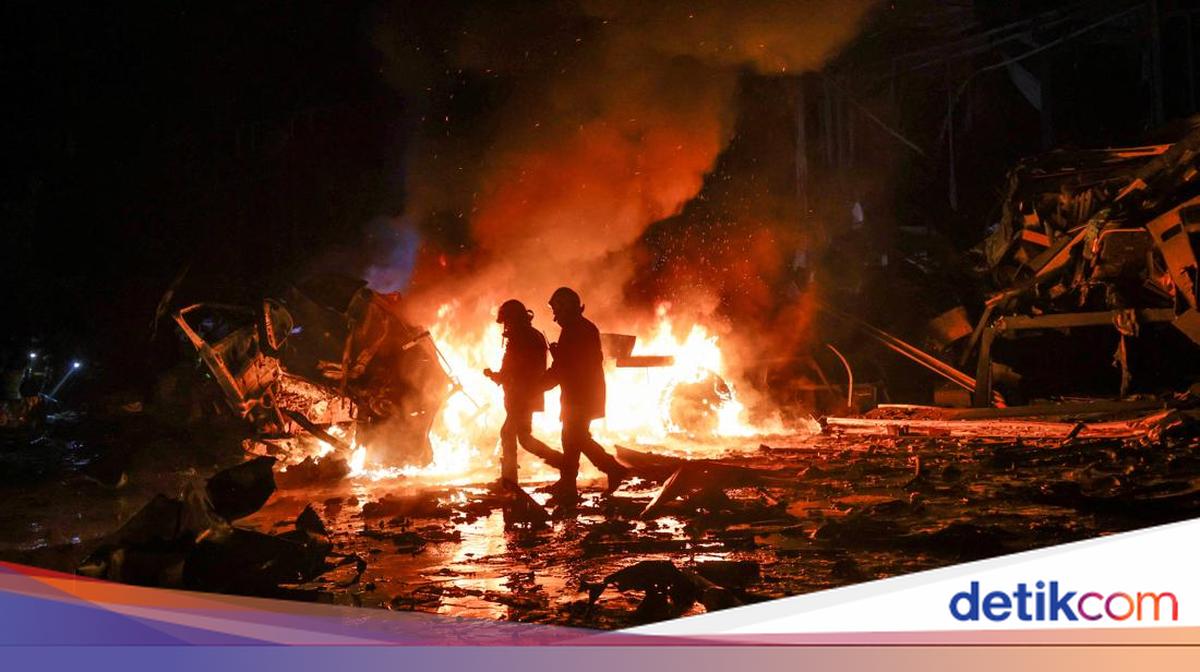
According to official reports from the Ukrainian government, the attack involved an extensive deployment of 600 drones and 90 missiles. Ukrainian air defense systems were mobilized throughout the night to intercept the incoming projectiles, successfully downing 549 of the drones and 55 of the missiles. Despite these efforts, several strikes hit critical civilian and utility infrastructure, including water supply facilities and residential areas.
President Volodymyr Zelensky, addressing the nation via his official Telegram channel, confirmed the severity of the strikes and noted that Russia utilized its Oreshnik hypersonic missile system during the operation. “Three Russian missiles hit water supply facilities, a market caught fire, dozens of residential buildings were damaged, several ordinary schools, and he (Putin) launched his ‘Oreshnik’ at Bila Tserkva,” Zelensky stated, characterizing the scale of the destruction as a deliberate targeting of civilian life.
Casualties and Infrastructure Impact
The human toll of Sunday’s bombardment has been confirmed by local authorities. Vitali Klitschko, the Mayor of Kyiv, reported that two individuals lost their lives within the capital, with 56 others sustaining injuries. Beyond the city limits, the head of the Kyiv regional administration confirmed an additional two fatalities and nine injuries in the surrounding area.
The tactical nature of the strike—targeting critical utility infrastructure—has raised concerns regarding the humanitarian impact on the local population. Beyond the immediate loss of life, the damage to water supply systems and residential housing has necessitated emergency response operations. The use of hypersonic technology, which is difficult for traditional air defense systems to track and intercept, underscores the evolving technological nature of the aerial campaign.
Geopolitical Context and Escalation
This weekend’s offensive follows a period of heightened tensions and public threats regarding retaliatory actions. The strikes occurred in the wake of statements from the Kremlin concerning military actions in territories currently under Russian occupation. Military analysts and international observers are closely monitoring the use of the Oreshnik system, which has been described by Ukrainian leadership as capable of carrying nuclear warheads, though its deployment in this instance was conventional.
The broader regional security landscape remains volatile. Earlier this month, reports indicated that joint nuclear exercises involving Russia and Belarus were conducted on May 18, 2026, signaling a continued emphasis on strategic deterrents and military posturing by Moscow. These developments follow a series of cross-border incidents that have characterized the conflict throughout the spring of 2026.
Next Steps and Official Monitoring
As recovery efforts continue, the Ukrainian government and international humanitarian agencies are assessing the full extent of the damage to schools and civilian housing. The international community, including monitoring bodies from the United Nations and other regional security observers, is expected to provide further updates on the impact of the strikes on civilian infrastructure in the coming days.
World Today Journal will continue to provide updates as official reports from the Ukrainian State Emergency Service and international monitors become available. We encourage our readers to remain informed through official government channels and to engage in respectful, fact-based discussion in the comments section below regarding the ongoing humanitarian situation.
Worth a look