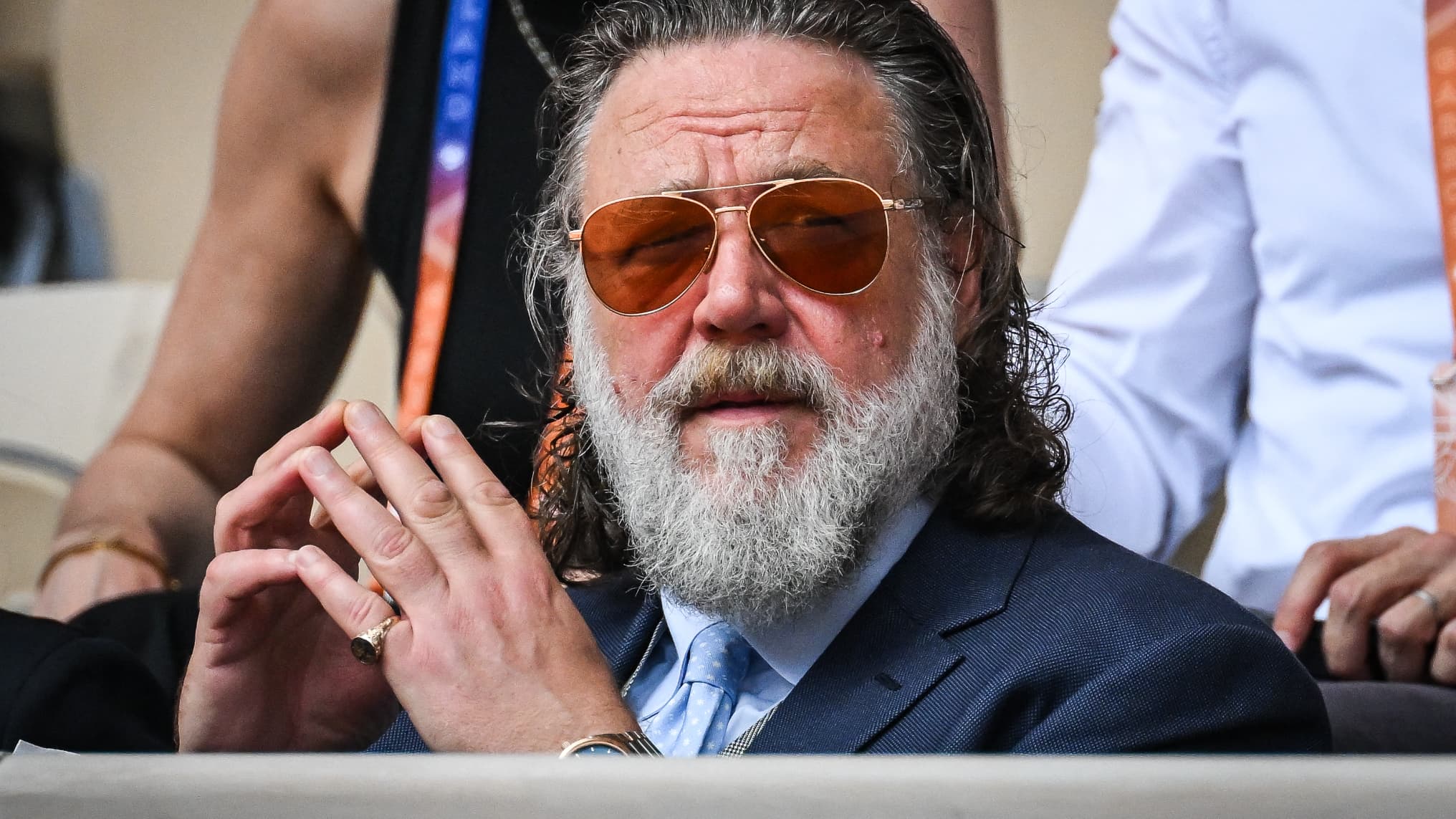
The city of lights is often a backdrop for glamour and cinematic elegance, but recently, Paris became the center of a different kind of drama. For Academy Award winner Russell Crowe, a routine moment of celebrity interaction escalated into a viral controversy, leaving the actor forced to defend his character against accusations of aggression.
The Russell Crowe Paris fan controversy ignited following the circulation of a video clip that appeared to show the veteran actor losing his composure during an encounter with a crowd outside his hotel. As the footage spread rapidly across social media platforms, the narrative quickly shifted from a simple fan interaction to a debate over celebrity temperament and the boundaries of public conduct.
For a man known for portraying intense, often volatile characters on screen, the distinction between his professional roles and his private reality became a point of intense scrutiny. However, Crowe was quick to respond, refusing to let a curated snippet of video define his actions during what he described as a chaotic and overwhelming situation.
The Incident: A Viral Moment in Paris
The tension began on the forecourt of a Parisian hotel, where Crowe was reportedly being mobbed by a mixture of fans and photographers. In the video that triggered the backlash, the actor can be seen appearing visibly frustrated, with some observers interpreting his body language and tone as aggressive toward those surrounding him.
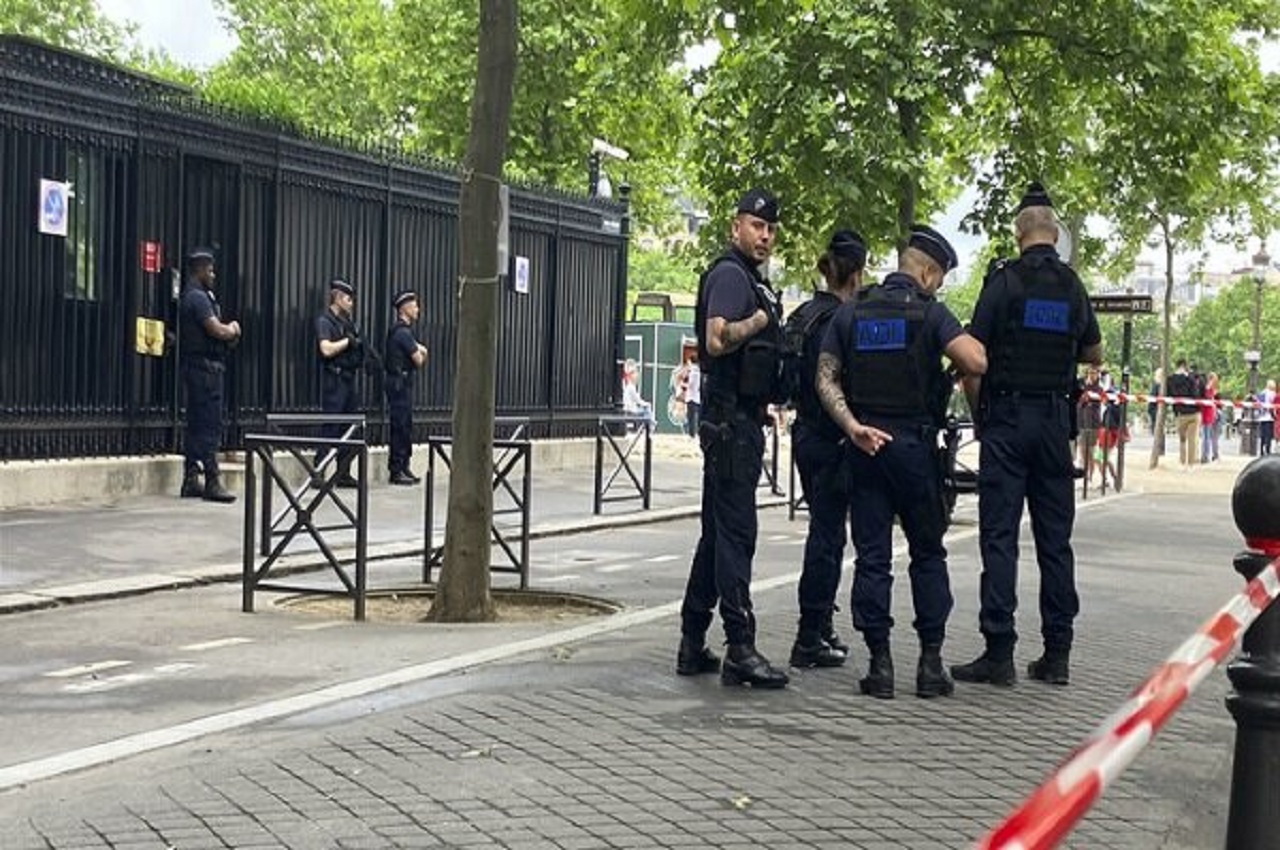
The footage, captured from the perspective of someone within the crowd, lacked the broader context of the environment. It depicted a high-pressure moment where the physical space between the actor and the public had seemingly vanished. In such settings, the rapid-fire nature of smartphone recording often captures only the peak of a confrontation, stripping away the preceding minutes of buildup or the environmental stressors that contribute to a person’s reaction.
Critics online were quick to label the behavior as “out of line,” suggesting that a star of Crowe’s stature should maintain a level of decorum regardless of the circumstances. This immediate judgment highlighted the modern phenomenon of “cancel culture” in real-time, where a few seconds of grainy footage can lead to widespread condemnation before all parties have had a chance to speak.
Crowe’s Defense: “Everyone Got Their Autograph”
Rather than retreating from the criticism, Russell Crowe chose to address his critics directly. Taking to his social media channels, the actor provided his side of the story, offering a sharp rebuttal to the claim that he had been unkind or dismissive to his supporters.
Crowe’s primary contention was that the video was a misrepresentation of the actual event. He emphasized that despite the crowding and the intensity of the moment, he had made a concerted effort to acknowledge his fans. In a direct response to the accusations, he asserted that every person seeking an autograph had ultimately received one, effectively challenging the premise that he had “scolded” or “attacked” the crowd.
His response signaled a growing fatigue among high-profile public figures regarding the way their private moments are sliced, edited, and redistributed. By questioning the motives of those filming and judging him, Crowe shifted the focus from his perceived aggression to the intrusive nature of the crowd and the potential dishonesty of the viral narrative.
The Complexity of Celebrity Boundaries
The incident serves as a case study in the evolving relationship between celebrities and the public in the digital age. The “celebrity encounter” has transformed from a rare, controlled event into a constant, high-stakes performance monitored by hundreds of lenses.
- Privacy vs. Access: Fans often feel entitled to proximity, while stars struggle to maintain the personal space required for basic human movement.
- The Context Gap: A five-second clip rarely captures the hour of fatigue, the lack of security, or the repeated attempts at interaction that precede a “flare-up.”
- The Role of the Observer: The person filming is rarely a neutral party; they are often part of the stimulus that contributes to the celebrity’s stress.
This friction is not unique to Crowe, but his willingness to confront the narrative directly distinguishes his approach. In an era where many publicists opt for “no comment” to avoid fueling the fire, Crowe’s decision to engage suggests a desire to reclaim his own agency in the face of digital misinterpretation.
Key Takeaways from the Controversy
- Viral Misinterpretation: The core of the controversy stemmed from a short video clip that lacked the context of a crowded, high-pressure environment in Paris.
- Direct Rebuttal: Russell Crowe used social media to clarify that he had fulfilled fan requests, including providing autographs to those asking.
- The Privacy Debate: The event has reignited discussions regarding the limits of fan access and the rights of public figures to navigate public spaces without constant confrontation.
- Narrative Control: Crowe’s response highlights a growing trend of celebrities taking direct control of their reputation rather than relying solely on traditional PR management.
What So for Celebrity Culture
The Russell Crowe Paris fan controversy is more than just a celebrity gossip item; it is a reflection of the tension inherent in modern fame. As technology makes it easier than ever to capture and broadcast “unfiltered” moments, the definition of what constitutes “acceptable” behavior is constantly being renegotiated by the public.
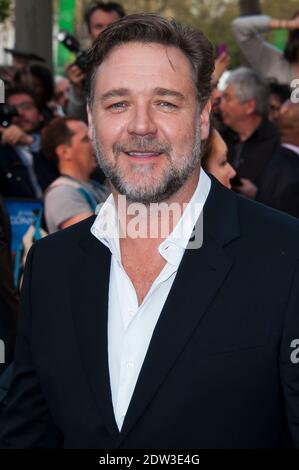
For journalists and observers, the incident underscores the importance of looking beyond the initial viral clip. The truth of such encounters often lies in the gray area between a star’s duty to their fans and a human being’s right to personal space and dignity. As the dust settles in Paris, the conversation remains centered on whether the public’s expectation of constant accessibility is sustainable for those in the spotlight.
There are currently no further official statements from Crowe’s representatives regarding the incident, and the actor appears to be moving forward with his scheduled professional commitments. We will continue to monitor for any official updates or further context regarding his time in France.
What are your thoughts on the boundaries between fans and celebrities? Do you believe viral videos provide a fair view of these encounters? Let us know in the comments below and share this article with your network.
Related reading