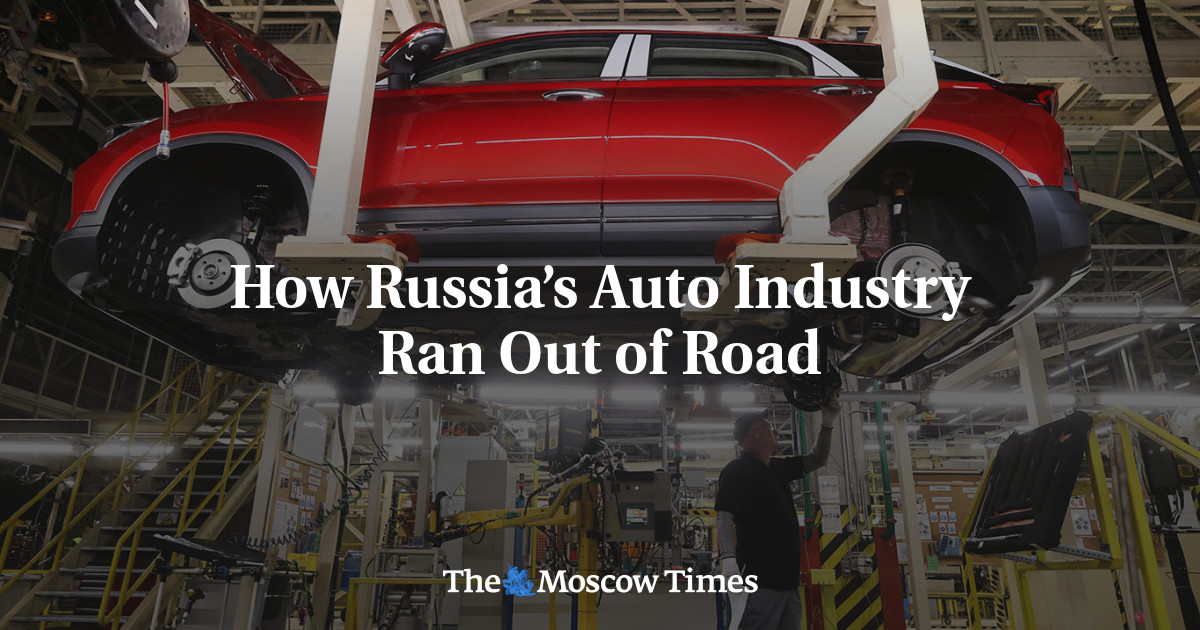
China’s Auto Industry Gains Leverage as Russia Faces Sanctions
Russia’s automotive sector is undergoing a significant shift, increasingly reliant on Chinese manufacturers amidst ongoing geopolitical tensions and the threat of further Western sanctions. This dependence is reshaping the landscape, impacting both production strategies and the terms of engagement for Chinese automakers.
A Changing Automotive Landscape
Recent events have dramatically altered Russia’s automotive market. Western sanctions, coupled with the departure of numerous international brands, have created a vacuum quickly being filled by Chinese companies. This isn’t a simple substitution,however,and presents unique challenges and opportunities.
Chinese Investment & strategic Considerations
Chinese automakers are making considerable investments in Russia, but a full-scale commitment to localized production isn’t currently underway. Several factors contribute to this cautious approach.
* Sanction Uncertainty: The looming possibility of additional Western sanctions creates a degree of risk,making large-scale,long-term investments less appealing.
* Demand & Production Thresholds: Establishing full engine production for passenger vehicles requires significant volume. Analysts estimate a minimum of 300,000-500,000 units annually to justify the investment.
* Leverage & Negotiation: Russia’s increasing dependence on Chinese vehicles and spare parts gives Beijing’s automakers considerable leverage. They are likely to prioritize favorable terms and conditions before committing to extensive localization.
Delayed Localization & Strategic Flexibility
You’ll notice that Chinese companies are currently focusing on importing complete vehicles and components rather than promptly establishing extensive local manufacturing facilities. This strategy allows them to:
* Test the Market: Gauge long-term demand and assess the evolving geopolitical situation.
* Maintain Flexibility: Avoid being locked into large capital expenditures with uncertain returns.
* Optimize Terms: Negotiate better deals with Russian partners, capitalizing on their need for reliable automotive supply.
What This Means for You
If you’re following the Russian automotive market, understand that the current situation is dynamic. the industry is likely to remain heavily influenced by Chinese manufacturers for the foreseeable future. Expect a gradual increase in Chinese brand presence, perhaps accompanied by strategic partnerships and localized assembly operations - but not a complete overhaul of production capabilities in the immediate term.
Looking Ahead
The future of Russia’s automotive industry hinges on several key factors. Thes include the severity and duration of Western sanctions, the evolving relationship between Russia and China, and the ability of Chinese automakers to adapt to the unique demands of the Russian market. Ultimately, this period represents a significant turning point, reshaping the industry and redefining the balance of power within it.
Keep reading