
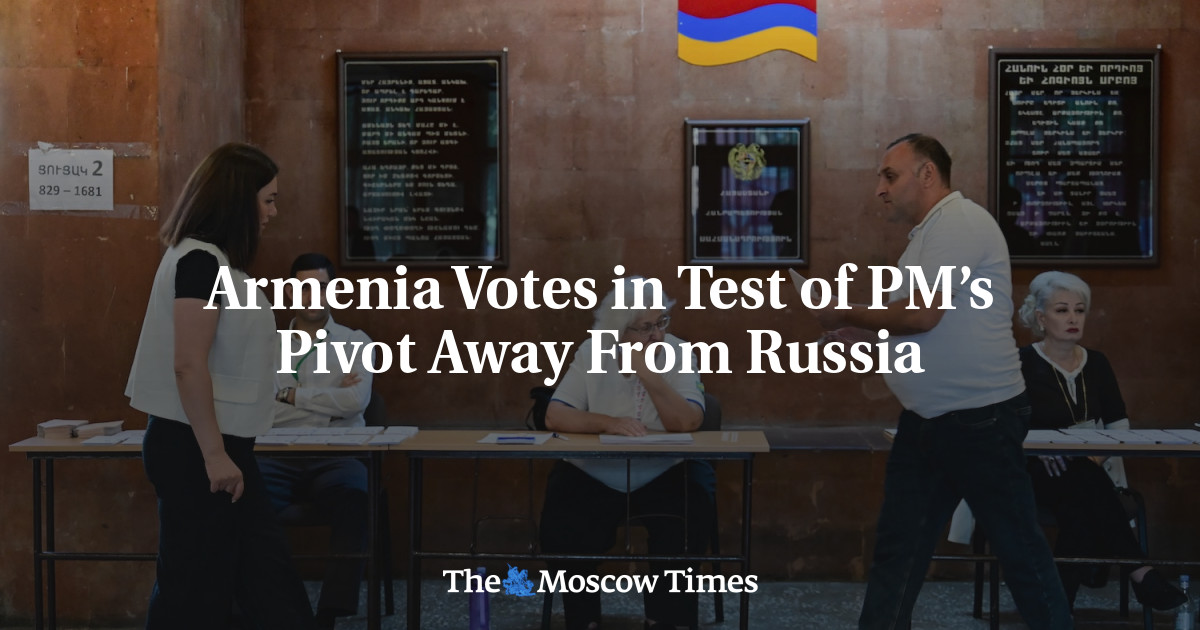
Armenians head to the polls in a high-stakes election that serves as a definitive referendum on Prime Minister Nikol Pashinyan’s decision to pivot the nation’s foreign policy away from Moscow and toward the European Union. The vote arrives amidst a period of intensifying friction between Yerevan and the Kremlin, characterized by a series of economic measures and energy threats from Russia that many analysts view as a direct attempt to influence the democratic process.
As voters weigh the future of their country, the election has become more than a domestic political contest; it is a test of whether Armenia can successfully navigate a realignment of its security and economic dependencies. The central question facing the electorate is whether the long-term benefits of Western integration outweigh the immediate, tangible economic pressures being exerted by their traditional security partner.
The tension has escalated significantly in recent weeks, with reports indicating that Russian authorities have moved to restrict several key Armenian exports. These measures, often framed by Moscow as matters of public health and safety, coincide closely with Yerevan’s increasing diplomatic engagement with European institutions. For many in the Armenian agricultural sector, the timing of these restrictions has raised questions about the true intent behind the regulatory shifts.
Economic Pressure and the Agricultural Squeeze
The recent wave of trade restrictions has focused heavily on Armenia’s agricultural output, a vital component of the national economy. According to reports regarding recent regulatory actions, Russian agricultural watchdog agencies have introduced temporary bans on the import of several fresh products originating in or shipped from Armenia, including tomatoes, cucumbers, peppers, strawberries, and various fresh herbs.
While Russian officials have cited concerns regarding the contamination of produce as the primary reason for these restrictions, the political context provides a different narrative. The move follows previous suspensions of Armenian flower imports and restrictions on the sale of certain Armenian alcoholic products within Russian markets. These targeted economic measures appear to strike at the heart of Armenia’s export-driven sectors, creating immediate financial strain for local producers.
This economic squeeze is not an isolated phenomenon but part of a broader pattern of pressure. As Armenia seeks to diversify its trade partners and reduce its reliance on the Russian market, the Kremlin has utilized its control over regional trade flows to signal its displeasure. The impact on small-scale farmers and agricultural exporters is significant, as the Russian market has historically been a primary destination for Armenian seasonal produce.
Energy Security and the 2013 Bilateral Agreement
Beyond the immediate impact on trade, the geopolitical tug-of-war has moved into the realm of essential energy resources. Russia has recently signaled its willingness to reassess long-standing agreements that have historically provided Armenia with stable and affordable energy. Specifically, there has been mounting pressure regarding a 2013 bilateral agreement that has guaranteed Armenia duty-free access to natural gas and oil.

The threat to revoke or alter these energy concessions serves as a powerful lever. For a landlocked nation like Armenia, energy security is inextricably linked to national stability. Any sudden increase in the cost of natural gas or a disruption in oil supplies could have profound implications for both the national budget and the daily cost of living for Armenian citizens.
Prime Minister Pashinyan has remained defiant in the face of these energy-related threats. He has argued that the economic benefits of European Union membership and the broader integration into Western economic structures will ultimately provide more financial stability and growth than the current energy subsidies provided by Russia. This stance has become a cornerstone of his administration’s platform, framing the election as a choice between old dependencies and new opportunities.
A Shift in Security Paradigms
The friction between Armenia and Russia is also deeply rooted in a fundamental shift in how Yerevan perceives its own security. The perceived failure of Russian peacekeeping forces to deter military actions in the Nagorno-Karabakh region in 2023 has significantly eroded trust in the traditional security architecture provided by Moscow.
In response to these security concerns, Armenia has made concerted efforts to modernize its domestic defense capabilities. The administration has overseen a substantial expansion of the country’s defense industry, with reports indicating that Armenia has secured approximately $460 million in military orders over the last three years. This move toward self-reliance and the diversification of defense procurement is a clear signal that Yerevan is no longer willing to rely solely on a single security guarantor.
This security realignment is a major point of contention in the upcoming vote. Critics of the Prime Minister argue that moving away from the Russian security umbrella leaves Armenia vulnerable, while supporters contend that the old system failed to protect Armenian sovereignty when it mattered most. The election will likely determine if the Armenian public supports this transition toward a more independent and Western-aligned defense posture.
The Voter’s Dilemma: Stability vs. Sovereignty
As the election approaches, the Armenian electorate is faced with a complex set of trade-offs. On one hand, there is the prospect of enhanced economic integration, greater democratic standards, and more diverse security partnerships through closer ties with the European Union. On the other hand, there is the immediate reality of economic retaliation and the potential for heightened regional instability.

The campaign has centered on these competing visions of the future. The government’s supporters emphasize the necessity of sovereignty and the need to break free from a relationship that they argue has become increasingly transactional and punitive. Meanwhile, opposition voices often highlight the immediate economic hardships caused by the trade bans and the potential risks of alienating a powerful neighbor.
The outcome of this vote will have implications far beyond the borders of Armenia. It will serve as a signal to both the European Union and the Kremlin regarding the direction of the South Caucasus. A victory for the current administration would likely accelerate Armenia’s integration into Western political and economic frameworks, while a shift in power could signal a return to the traditional spheres of influence that have defined the region for decades.
The next major milestone in this unfolding geopolitical shift will be the official announcement of the election results, which will provide the first indication of whether the Armenian people have embraced the Prime Minister’s vision for a Western-oriented future.
What are your thoughts on Armenia’s shifting geopolitical stance? Do you believe economic pressure can change a nation’s political direction? Let us know in the comments below and share this article with your network.