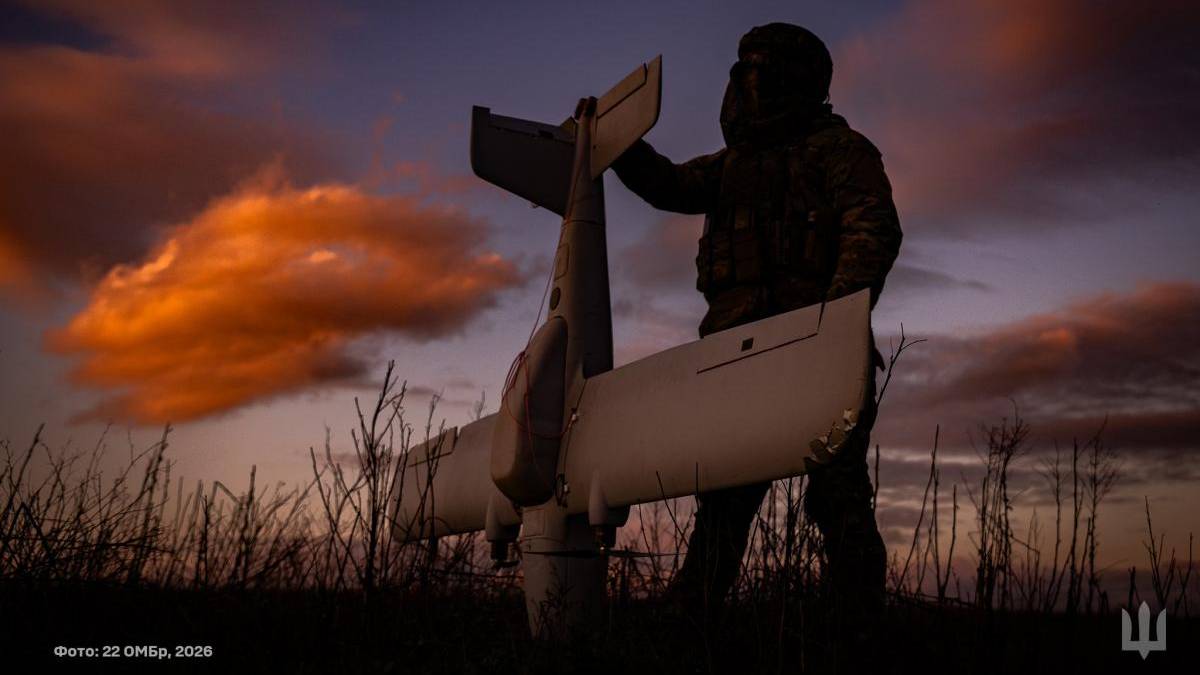
Russia has moved to implement a temporary ban on the export of aviation gasoline, a strategic decision aimed at stabilizing domestic fuel prices and ensuring supply security. This policy shift follows a sustained campaign of long-range drone strikes targeting critical energy infrastructure deep within Russian territory, which have disrupted refinery operations and tightened the availability of refined petroleum products. As Moscow seeks to insulate its domestic market from the volatility caused by these systemic disruptions, the move highlights the growing intersection between military strategy and energy economics.
The decision to restrict exports, which was formalized in mid-2024, reflects the intensifying pressure on the Russian energy sector. According to reports from Reuters, the Russian government has utilized similar export bans periodically throughout the year to counteract the effects of maintenance delays and facility damage. By curbing the outflow of aviation fuel, the Kremlin intends to prioritize internal requirements for both military aviation and civil commercial transport, effectively decoupling domestic supply from the fluctuations of the global commodities market.
The Strategic Impact of Infrastructure Strikes
The recent series of drone attacks, primarily targeting oil refineries in regions such as Samara, Ryazan, and the Republic of Tatarstan, has forced a significant recalibration of Russia’s refining capacity. These strikes have specifically targeted distillation units, which are essential for processing crude oil into high-value products like gasoline and jet fuel. Data from the International Energy Agency (IEA) indicates that even temporary outages in these complex facilities can lead to localized supply gluts or shortages, necessitating state-led market interventions to prevent retail price spikes.
For the Russian government, the objective is twofold: to maintain the operational readiness of its aviation assets and to mitigate inflationary pressures on the domestic economy. Aviation fuel, a critical subset of the broader “middle distillates” market, is highly sensitive to production interruptions. When refinery throughput is compromised, the first reaction of the state is often to restrict export quotas to ensure that the domestic “kurek” (the colloquial term for the fuel tap) remains open for internal consumption.
Market Dynamics and Domestic Supply Security
The imposition of an export ban is not merely a reaction to external security threats; it is a tool of economic management. By removing domestic production from the international market, Russia effectively reduces the competition for available fuel stocks within its borders. This strategy, while protective, has broader implications for global energy prices. As noted by the World Bank in its Commodity Markets Outlook, shifts in policy by major energy exporters can create ripple effects in global supply chains, particularly in regions that rely on Russian refined products.
Industry analysts point out that the effectiveness of such bans depends heavily on the duration of the outage and the speed at which repair components—many of which were previously sourced from Western providers—can be replaced or substituted. The reliance on domestic technological workarounds in the face of international sanctions remains a key variable in the long-term stability of the Russian refining sector.
Key Takeaways: Understanding the Fuel Crisis
- Strategic Goal: The ban is designed to prevent domestic price surges and ensure that military and commercial aviation have sufficient fuel supplies.
- Root Cause: Sustained drone strikes on refineries have reduced the operational capacity of several key facilities, leading to a tightening of the domestic fuel market.
- Scope of Restriction: The policy specifically targets aviation-grade gasoline, restricting its sale to international buyers to prioritize internal demand.
- Market Impact: While designed to stabilize the Russian economy, these measures highlight the vulnerability of centralized energy infrastructure to modern asymmetrical warfare.
What Happens Next: Economic and Military Outlook
The situation remains highly fluid. Market participants and energy analysts are closely monitoring the repair progress at the affected refineries. If the Russian government can restore full capacity at these sites, the export bans will be lifted or relaxed in the coming months. Conversely, if further strikes occur, the scope of the restrictions could widen to include other categories of refined petroleum products, such as diesel or standard unleaded gasoline, to compensate for production deficits.
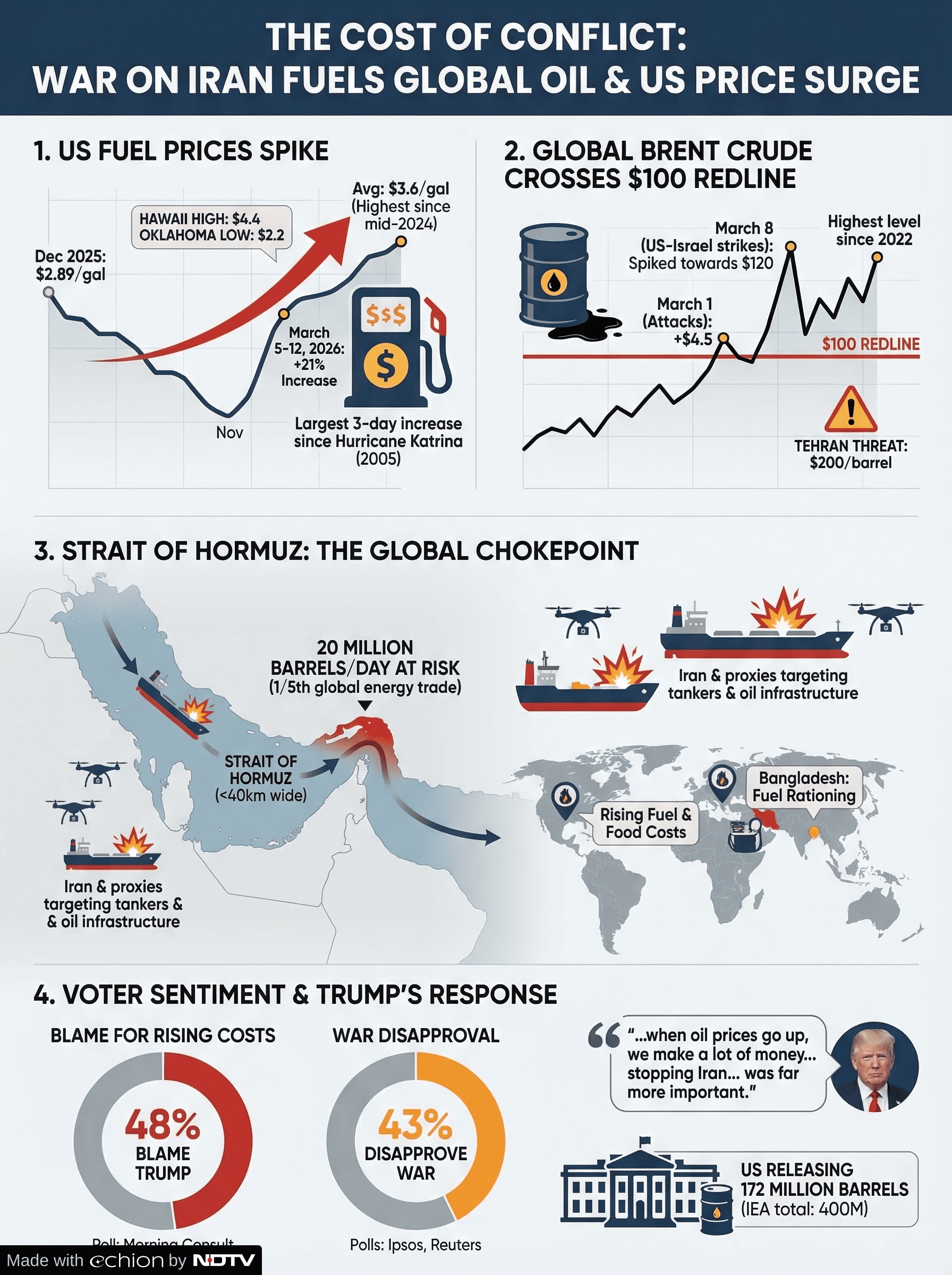
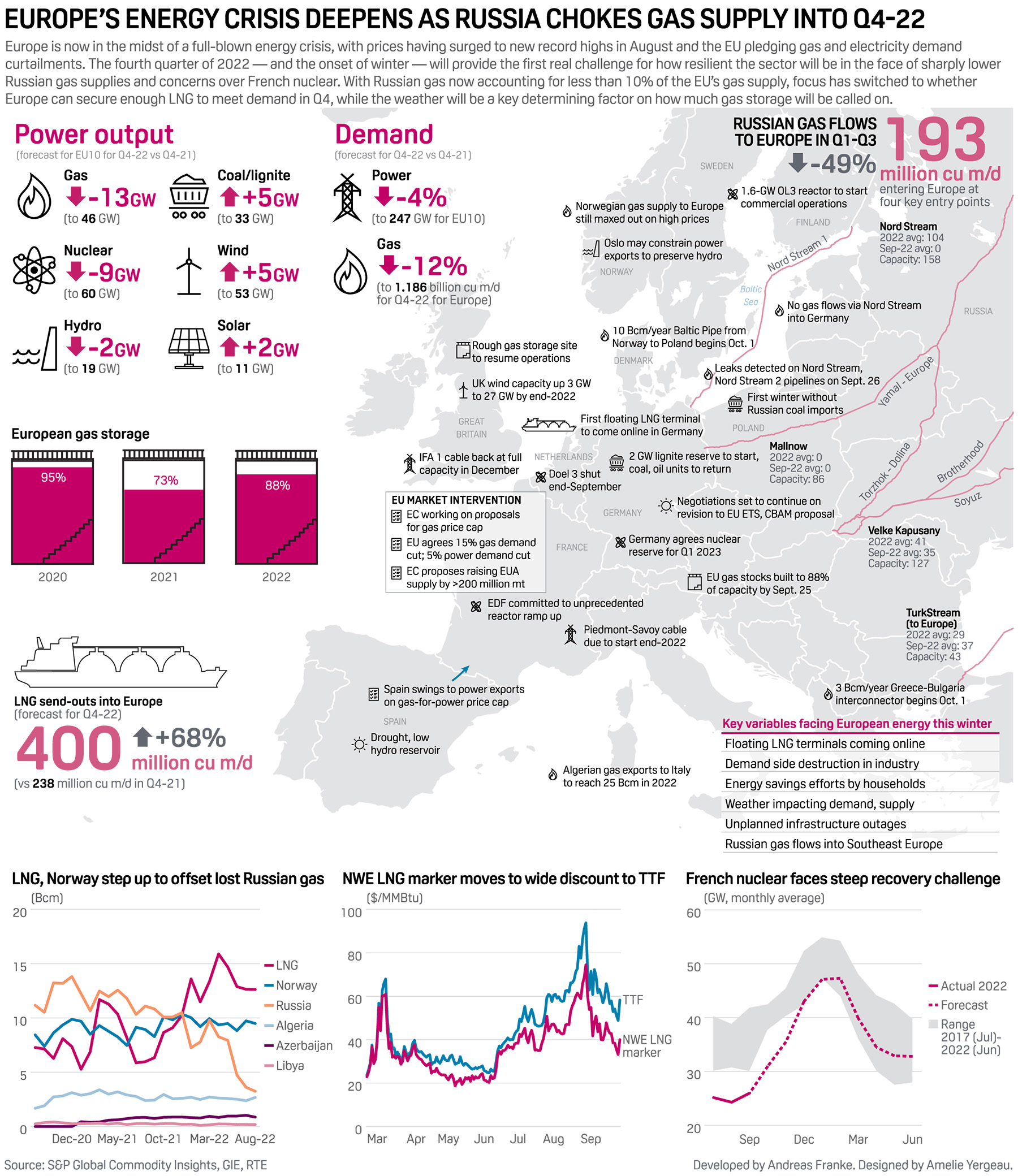
For the global aviation industry, the primary concern remains the potential for price volatility in the jet fuel market. While Russia is not the sole supplier of these products, any reduction in global supply exerts upward pressure on prices for all consumers. International observers will be looking for updates from the Russian Ministry of Energy, which typically coordinates these regulatory changes, to determine the duration of the current restrictions.
As we continue to monitor the intersection of energy policy and geopolitical conflict, we encourage our readers to share their insights on how these market shifts might impact global trade corridors. Your perspective is a vital part of our ongoing analysis. Please leave your thoughts in the comments section below or join the conversation across our social media platforms.
Note: This analysis is based on verified reports regarding current Russian energy policy and infrastructure status. Future updates will be provided as official notices are released by the Russian Federation’s energy regulatory bodies.
Keep reading