
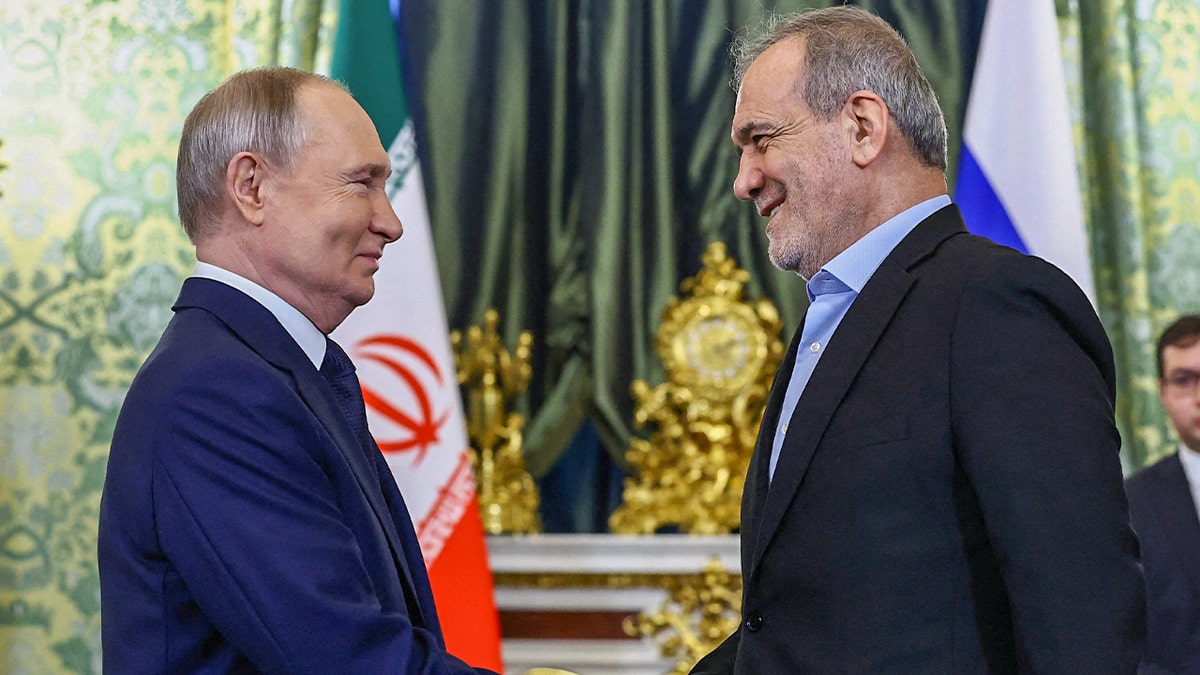
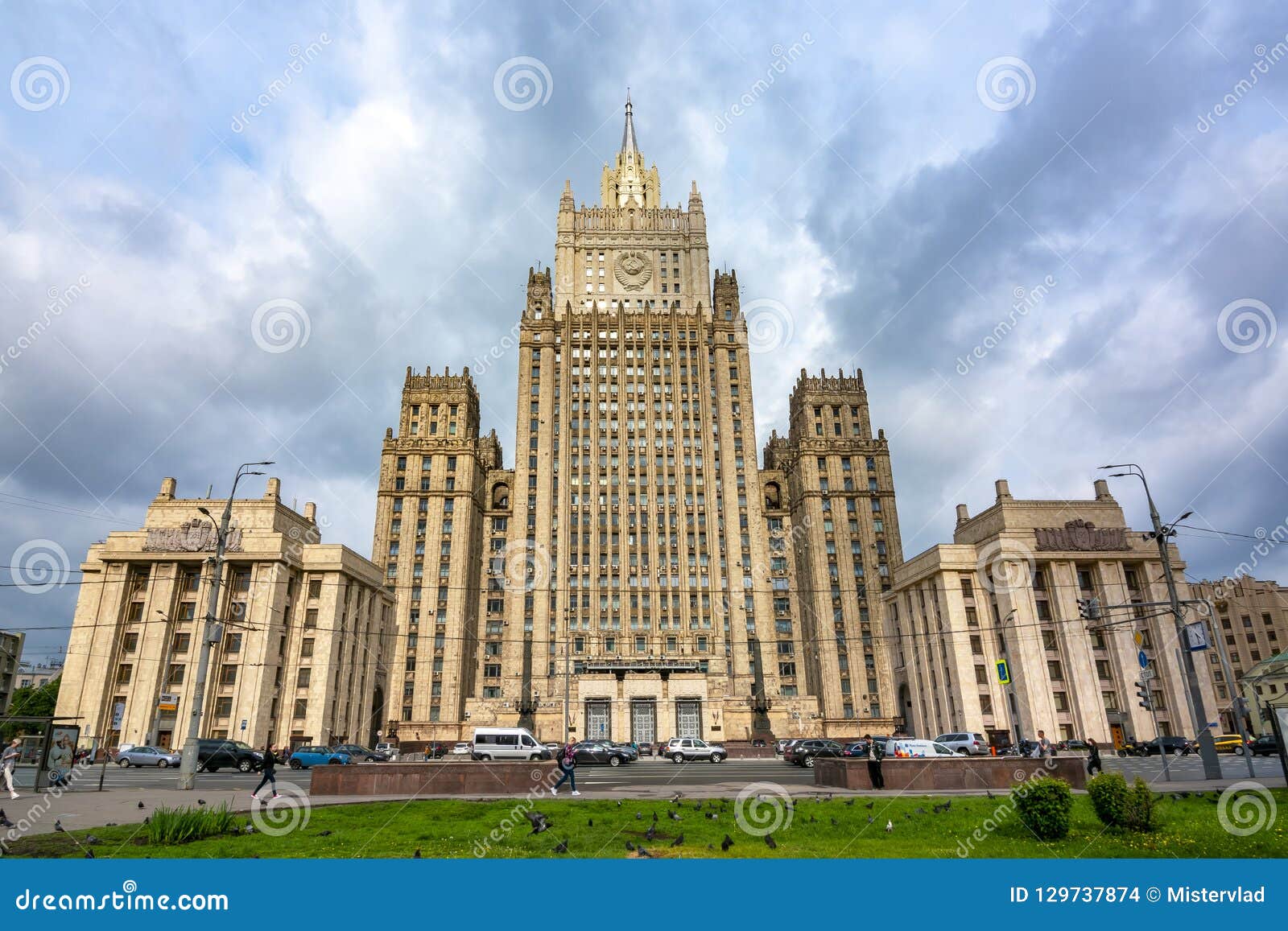
Russia has called on the United States and Iran to resume peace negotiations to prevent a wider regional war in the Middle East. The Russian Ministry of Foreign Affairs urged all involved parties to exercise restraint, stating that diplomatic dialogue remains the only viable method to manage escalating tensions between regional powers.
Moscow’s latest push for diplomacy comes as military friction intensifies across the Levant, involving Israel, Hezbollah, and Iranian-backed groups. By calling for direct talks between Washington and Tehran, Russia is positioning itself as a proponent of a multi-polar diplomatic approach to stabilize a region currently facing high risks of miscalculation and direct conflict.
Why is Russia urging the US and Iran to resume dialogue?
The Russian Ministry of Foreign Affairs (MFA) stated that the current cycle of escalation in the Middle East cannot be resolved through military force alone. According to official statements from Moscow, the lack of a direct communication channel between the United States and Iran has contributed to a vacuum of stability. This vacuum, officials argue, allows localized conflicts to expand into regional conflagrations.

Russia’s call for “restraint” targets not just the primary combatants but also the various proxy forces and international actors involved in the region. Moscow has consistently argued that the United States’ unilateral approach to Middle East security—often relying on sanctions and military presence—has failed to produce long-term stability. Instead, the Russian government suggests that a return to the negotiating table, similar to the framework of the previous Joint Comprehensive Plan of Action (JCPOA), is necessary to address both regional security and the Iranian nuclear program.
Diplomatic analysts suggest that Russia’s intervention serves two purposes. First, it attempts to mitigate the risk of a conflict that could disrupt global energy markets and maritime security in the Strait of Hormuz. Second, it challenges the United States’ role as the sole arbiter of Middle East security, reinforcing Moscow’s influence in the region through its established ties with both Tehran and various Arab capitals.
What is the current state of US-Iran relations?
The diplomatic relationship between the United States and Iran remains at a historic low, characterized by a lack of formal direct communication. Since the United States’ withdrawal from the JCPOA nuclear deal under the Trump administration, the framework for managing Iran’s nuclear ambitions has effectively collapsed. While the Biden administration expressed a willingness to return to the agreement, ongoing tensions regarding Iran’s regional activities and its support for various militant groups have stalled progress.
Current obstacles to peace talks include:
- Sanctions Regimes: The U.S. continues to enforce strict economic sanctions on Iran, which Tehran views as a primary barrier to any meaningful diplomatic engagement.
- Regional Proxy Conflicts: The ongoing involvement of Iran in conflicts in Lebanon, Yemen, and Syria complicates bilateral negotiations, as the U.S. often ties diplomatic progress to Iran’s regional military conduct.
- Nuclear Advancement: International monitors, including the International Atomic Energy Agency (IAEA), have reported increased levels of uranium enrichment in Iran, raising the stakes for any potential peace discussions.
Russia’s call for talks essentially seeks to bypass these specific friction points by prioritizing a broad “peace process” over the narrow, technical negotiations that have dominated the last several years.
How does the regional conflict impact global stability?
The instability in the Middle East is not contained within its borders. A direct confrontation between Israel and Iran, or an escalation involving Hezbollah in Lebanon, carries significant implications for the global economy and international security. The Middle East remains a primary corridor for global oil and liquefied natural gas (LNG) shipments. Any disruption to these routes would likely lead to immediate volatility in global energy prices.
Furthermore, the conflict draws in multiple global powers, creating a risk of a larger geopolitical confrontation. While the United States has reaffirmed its support for Israel’s security, Russia and China have increasingly advocated for a “de-escalation” model that emphasizes the sovereignty of regional states and the reduction of Western military intervention.
The following table compares the different diplomatic stances regarding the current Middle East crisis:
| Actor | Primary Diplomatic Stance | Key Objective |
|---|---|---|
| Russia | Calls for multi-party dialogue and restraint. | Prevent regional war and reduce US influence. |
| United States | Supports regional allies and maintains sanctions. | Contain Iranian influence and secure Israel. |
| Iran | Demands sanctions relief and regional sovereignty. | Ensure regime survival and regional deterrence. |
| United Nations | Urges adherence to international law. | Humanitarian protection and de-escalation. |
What happens next for Middle East diplomacy?
The immediate future of Middle East stability depends on whether the “restraint” called for by Moscow and other international bodies is adopted by the combatants on the ground. While Russia’s call for US-Iran talks is a significant diplomatic signal, it does not represent a formal mediation offer from Moscow, which remains a complex actor in the region.
Observers are now looking toward upcoming sessions at the United Nations Security Council to see if a consensus can be reached on a ceasefire or a formal framework for de-escalation. The effectiveness of Russia’s suggestion will likely be measured by whether Washington and Tehran show any movement toward indirect communication in the coming months.
The next major checkpoint for regional stability will be the upcoming diplomatic reviews regarding Iran’s nuclear oversight and any upcoming high-level security summits involving Middle Eastern regional leaders. We will continue to monitor these official channels for updates on any formal movement toward peace negotiations.
Do you think diplomatic dialogue can resolve the current tensions in the Middle East, or is military deterrence the only way forward? Share your thoughts in the comments below and share this article with your network.
Keep reading