
Kyiv Under Fire: Russia’s Deadliest Missile-Drone Strike in Months Kills 4, Injures Nearly 100
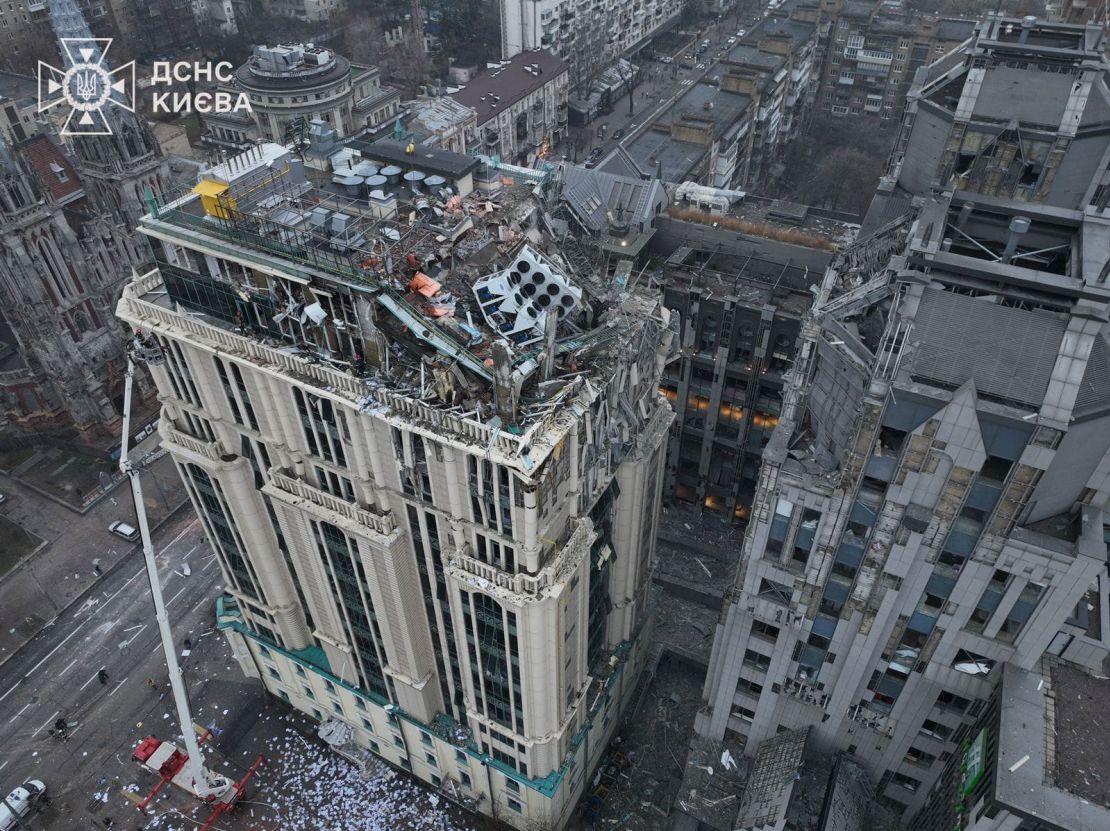
Kyiv woke to the sound of explosions once again on the morning of May 24, 2026, as Russian forces unleashed what Ukrainian officials described as the largest combined missile and drone attack in months. The barrage—comprising at least 90 ballistic missiles and 600 drones—pounded the capital and surrounding regions for hours, leaving four dead, nearly 100 injured, and cultural landmarks like the National Art Museum and Kyiv Opera Theater damaged. As air raid sirens blared across the city, Mayor Vitali Klitschko confirmed strikes in every district, including central areas rarely targeted in previous attacks.
The assault, which began around 1 a.m. Local time, marked a sharp escalation in Russia’s nearly two-year campaign against Ukraine’s infrastructure and morale. While Kyiv’s air defenses intercepted the majority of incoming projectiles, the sheer volume overwhelmed some districts, forcing residents to shelter for extended periods. The Ukrainian Air Force reported that Russian forces launched waves of attacks between 3 a.m. And 5 a.m., with explosions shaking buildings across the capital.
President Volodymyr Zelensky addressed the nation shortly after the strikes, condemning the attack as a “deliberate attempt to terrorize civilians” and calling on the international community to respond with greater urgency. “This is not just a military operation—it’s a war against our people’s will to live in freedom,” Zelensky stated in a televised address. Meanwhile, the U.S. Embassy in Kyiv issued a warning to American citizens, urging them to “remain vigilant” and seek shelter during air raid alerts.
At a Glance
- Casualties: 4 killed, nearly 100 injured (including 3 children in Kyiv)
- Strikes: 90 missiles + 600 drones launched; most intercepted by Ukrainian defenses
- Damage: National Art Museum (blast wave), Kyiv Opera Theater, Dynamo Stadium, and Chornobyl Museum affected
- Timing: Attacks occurred in waves between 1 a.m. And 5 a.m. Local time (May 24)
- International Response: U.S. Embassy warned of “potentially significant air attacks”; some foreign embassies advised citizens to leave
Why This Attack Stands Out
While missile strikes on Kyiv have become a grim routine since Russia’s full-scale invasion in February 2022, the scale of this operation was unprecedented in recent months. Ukrainian military analysts cited the use of Onyx (Otryshok) and Kh-101/Kh-555 cruise missiles, as well as Shahed-136/131 drones, suggesting Russia is deploying its most advanced arsenal to pressure Ukraine ahead of anticipated summer offensives.
Mayor Klitschko emphasized the attack’s broad geographic spread, noting that even central neighborhoods—typically spared in past strikes—were hit. “This was not a surgical strike. This was an attempt to break our spirit,” Klitschko said in a press briefing. The damage to cultural sites, including the National Art Museum (which survived with only blast-wave damage to its exterior), underscores Russia’s targeting of Ukraine’s heritage as a psychological weapon.
Ukrainian officials have not yet confirmed whether the strikes were retaliatory or part of a broader strategic campaign. However, the timing coincides with heightened tensions over Ukraine’s counteroffensives in southern regions and Western debates about long-term military aid packages.
Foreign Embassies Urge Evacuations Amid Escalation
In the wake of the attack, several foreign embassies in Kyiv have advised their citizens to leave the country, citing “increased risk of further large-scale strikes.” The U.S. Embassy’s warning—issued just hours before the May 24 barrage—stated that “a potentially significant air attack” could occur within a 24-hour window, though it did not specify the source of the intelligence.
Diplomatic sources told World Today Journal that some embassies are now considering temporary closures or relocating non-essential staff to safer regions, though no official announcements have been made. The European Union’s delegation in Kyiv has also activated emergency protocols, though it continues to operate with reduced personnel.
What’s Next? Ukrainian officials have vowed to investigate the strikes for evidence of war crimes, particularly given the targeting of civilian infrastructure. Meanwhile, Russia’s Defense Ministry has not commented on the attack, adhering to its usual practice of denying responsibility while state media frames the strikes as “legitimate responses” to Ukrainian military actions.
Human Impact: Civilians in the Crossfire
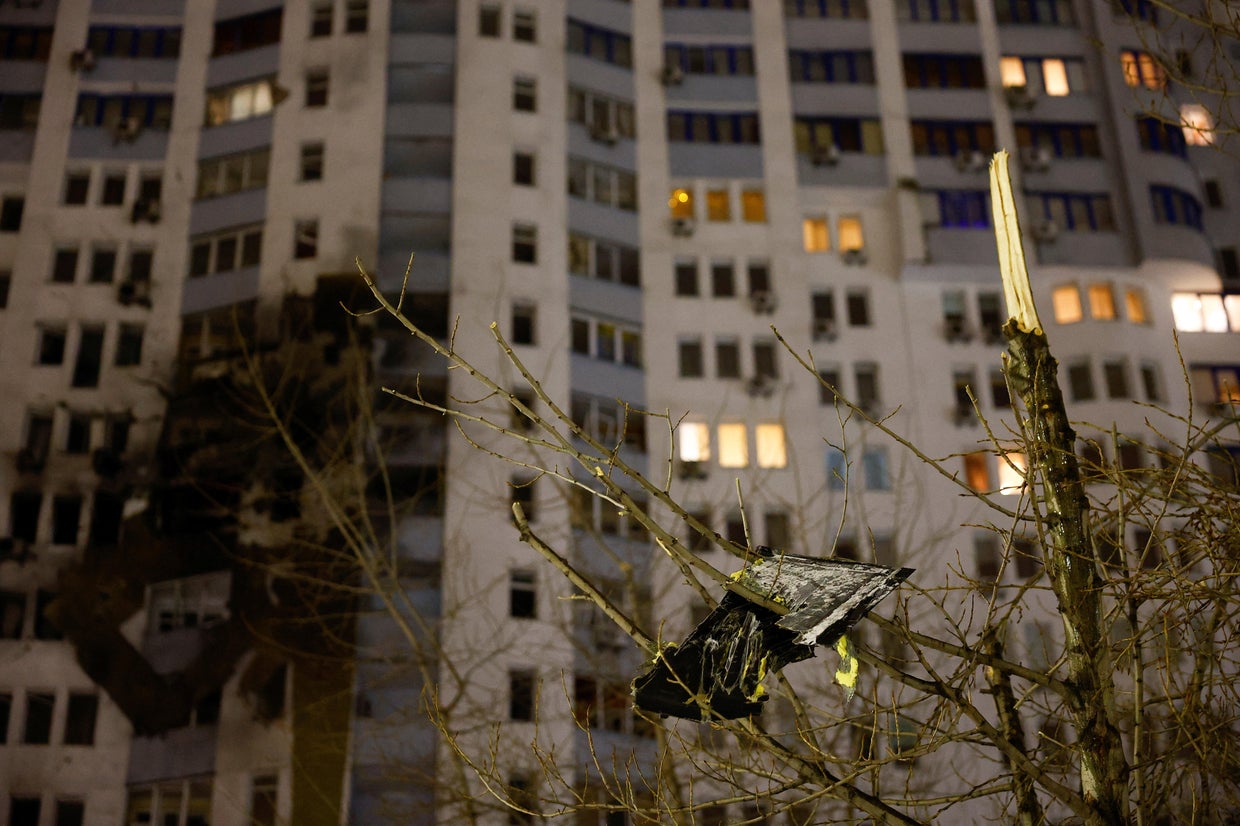
The attack’s human toll was felt most acutely in residential areas. In one Kyiv district, a direct hit on an apartment building left three children among the injured, according to local emergency services. Residents described scenes of panic as drones and missiles rained down in rapid succession.
“We heard the first explosion at 1:15 a.m. And thought it was far away. By 3 a.m., the whole neighborhood was shaking. The power went out, and we had no way to know if the next missile would hit our building.”
Kyiv’s emergency services reported that many injuries were caused by flying debris and shattered glass, a common hazard in such strikes. The city’s medical infrastructure is now operating at capacity, with field hospitals set up in schools and community centers.
Cultural Losses: Ukraine’s Heritage Under Siege
Among the most symbolic damages were sustained by institutions that define Ukraine’s cultural identity:
- National Art Museum: The blast wave from a nearby strike shattered windows and damaged priceless artifacts, though the museum’s collection—ranging from Byzantine icons to contemporary works—remained largely intact. Ukraine’s Culture Ministry confirmed that restoration efforts are underway.
- Kyiv Opera Theater: A direct hit caused structural damage, forcing the cancellation of scheduled performances. The theater, a landmark since the 19th century, has been struck before but never with this level of destruction.
- Chornobyl Museum: Located near the exclusion zone, the museum suffered damage to its exhibits, raising concerns about the preservation of nuclear disaster artifacts.
Cultural heritage experts warn that such attacks are not merely military tactics but part of a deliberate strategy to erase Ukraine’s national memory. “Every strike on a museum, theater, or historical site is a message: Ukraine’s past and future are being erased,” said Dr. Mykola Dzyndra, a historian at Kyiv-Mohyla Academy.
International Reactions: Silence from Moscow, Condemnation from the West
While Russia’s state media RT and Sputnik framed the strikes as “justified retaliation,” Western governments have condemned the attacks as indiscriminate. The European Commission called for an emergency session of the UN Security Council, though a veto from Russia or its allies is expected to block any resolution.
The U.S. State Department issued a statement calling the strikes “a flagrant violation of international law,” while NATO Secretary-General Jens Stoltenberg warned that the attacks could “further destabilize the region.” However, with no clear path to ceasefire negotiations, diplomats say the focus remains on humanitarian aid and air defense support for Ukraine.
Safety Advisory: What Foreigners in Ukraine Should Do
Given the escalation, here’s what foreign nationals currently in Ukraine should consider:
- Register with your embassy: Ensure your government has your contact information in case of emergency evacuations.
- Have an air raid plan: Identify the nearest bomb shelter or basement; keep emergency supplies (water, first aid, flashlights) ready.
- Monitor official alerts: Follow updates from the Ukrainian State Emergency Service and your embassy’s social media.
- Consider temporary relocation: If possible, move to regions with lower strike risks (e.g., western Ukraine).
- Avoid travel during curfews: Kyiv and other cities may impose blackouts or movement restrictions during attacks.
Next Steps: Ukrainian authorities are expected to provide a full damage assessment by May 27, with President Zelensky scheduled to address the UN General Assembly on May 28. Meanwhile, Russia has not indicated any de-escalation, raising concerns about further strikes in the coming days.
Your Thoughts: How should the international community respond to Russia’s escalation? Share your views in the comments below or on our contact page.
Stay Updated: Bookmark this page for live updates as the situation develops.
Keep reading