Sofia, Bulgaria — May 7, 2026
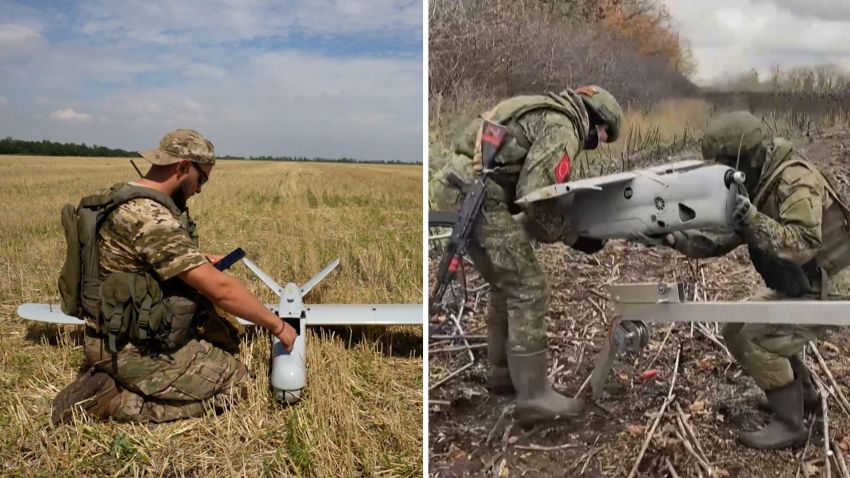
Ukraine’s relentless drone campaign against Moscow has entered a critical phase as the Russian capital braces for a potential escalation ahead of the May 9 Victory Day celebrations. Over the past three nights, Ukrainian forces have conducted targeted strikes deep inside Russian territory, striking infrastructure and military installations in what analysts describe as a deliberate strategy to disrupt high-profile events and demonstrate Kyiv’s ability to project power. With Russian President Vladimir Putin scheduled to address the nation during the Victory Day parade, the stakes could not be higher as both sides engage in a high-stakes game of deterrence and defiance.
The latest wave of attacks, which began on May 5 and continued through May 7, has sent shockwaves through Moscow’s political and military establishment. Ukrainian President Volodymyr Zelensky has framed the strikes as a response to Russia’s continued aggression in Ukraine, while Kremlin officials have vowed retaliation, though no direct response has yet materialized. The situation has been further complicated by Russia’s unilateral declaration of a ceasefire for May 8 and 9, a move that has been met with skepticism from Western observers and Ukrainian officials.
As tensions rise, the international community watches closely, with NATO and EU officials urging restraint while preparing for potential spillover effects. The question now is whether this latest escalation will lead to broader conflict or whether diplomatic channels can still intervene to de-escalate the situation.
Video: Ukrainian drones strike Moscow for the third consecutive night
Source: YouTube (May 4, 2026)
Escalation Before Victory Day: Ukraine’s Drone Blitz on Moscow
Ukraine’s drone strikes on Moscow have intensified in the lead-up to Russia’s Victory Day parade, a symbolic event marking the end of World War II. The attacks, which have targeted government buildings, energy infrastructure, and military sites, are part of a broader strategy by Kyiv to pressure Moscow ahead of the May 9 celebrations. According to verified reports, the strikes have caused significant disruptions, including power outages and damage to key facilities, though no casualties have been confirmed.
Russian officials have condemned the attacks as “terrorist acts” and have accused Ukraine of violating international law. However, Ukrainian authorities have dismissed these claims, stating that the strikes are a legitimate response to Russia’s ongoing aggression in Ukraine. The situation has been further complicated by reports that some of Russia’s closest allies, including leaders from Syria and North Korea, have declined to attend the Victory Day parade, citing security concerns.
In a statement released on May 6, Ukrainian President Volodymyr Zelensky emphasized the strategic importance of the drone campaign, stating that “Ukraine will continue to defend its sovereignty and the lives of its people, no matter the cost.” Meanwhile, Russian officials have warned of severe consequences if the attacks persist, though no specific retaliation measures have been announced.
Russia’s Unilateral Ceasefire: A Tactical Move or Genuine De-escalation?
Adding another layer of complexity to the situation, Russia announced on May 7 that it would observe a unilateral ceasefire on May 8 and 9, coinciding with the Victory Day celebrations. The move has been interpreted by some analysts as a tactical maneuver to allow for a controlled display of military strength while avoiding further escalation. However, Ukrainian officials have expressed skepticism, stating that past Russian ceasefires have often been used to regroup and launch renewed offensives.
Western diplomats have also urged caution, with NATO Secretary-General Jens Stoltenberg stating that “any further escalation would have serious consequences for regional stability.” The European Union has similarly called for restraint, emphasizing the need for diplomatic solutions to prevent a broader conflict.
Victory Day Parade: A Symbolic Event Under Shadow of War
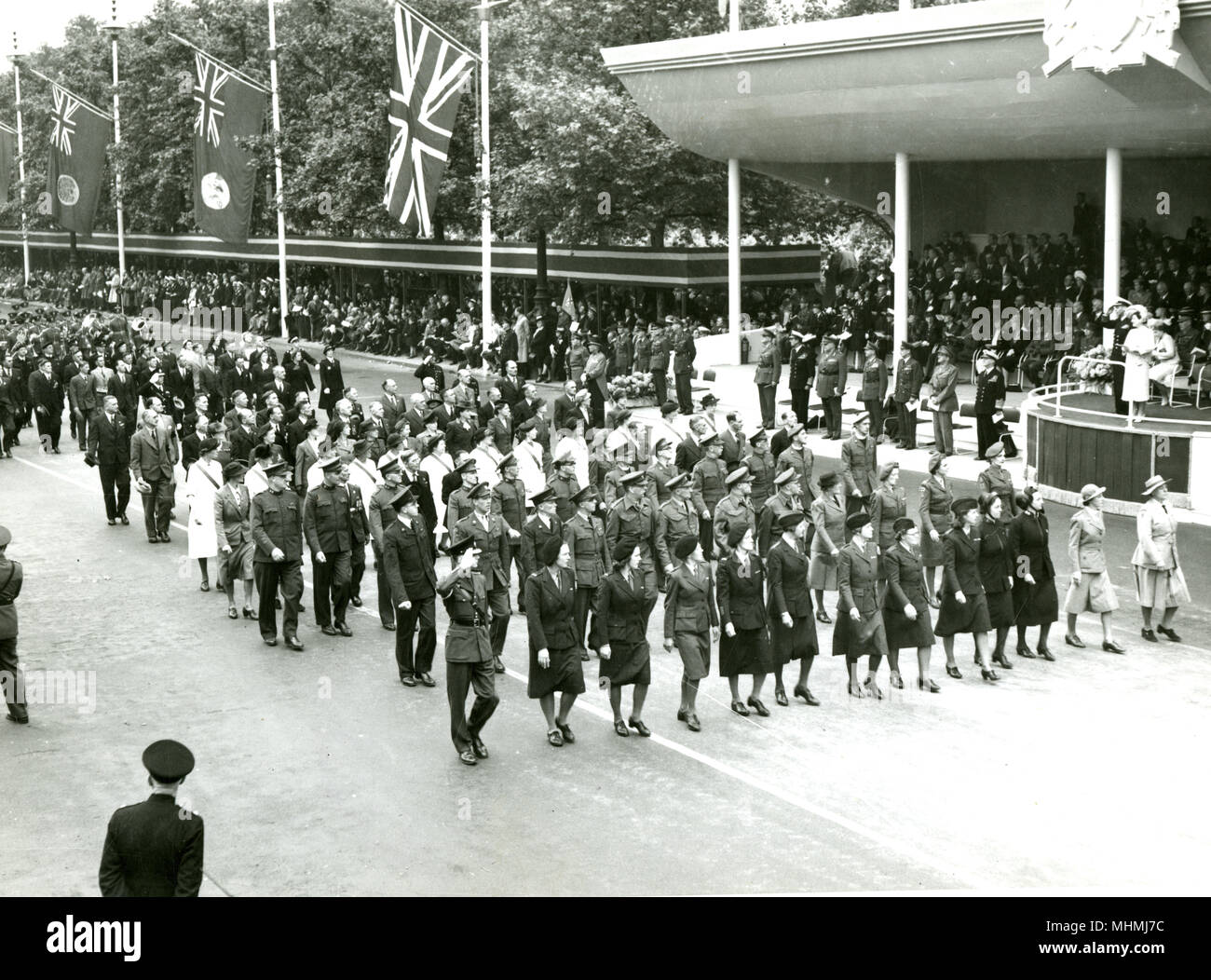
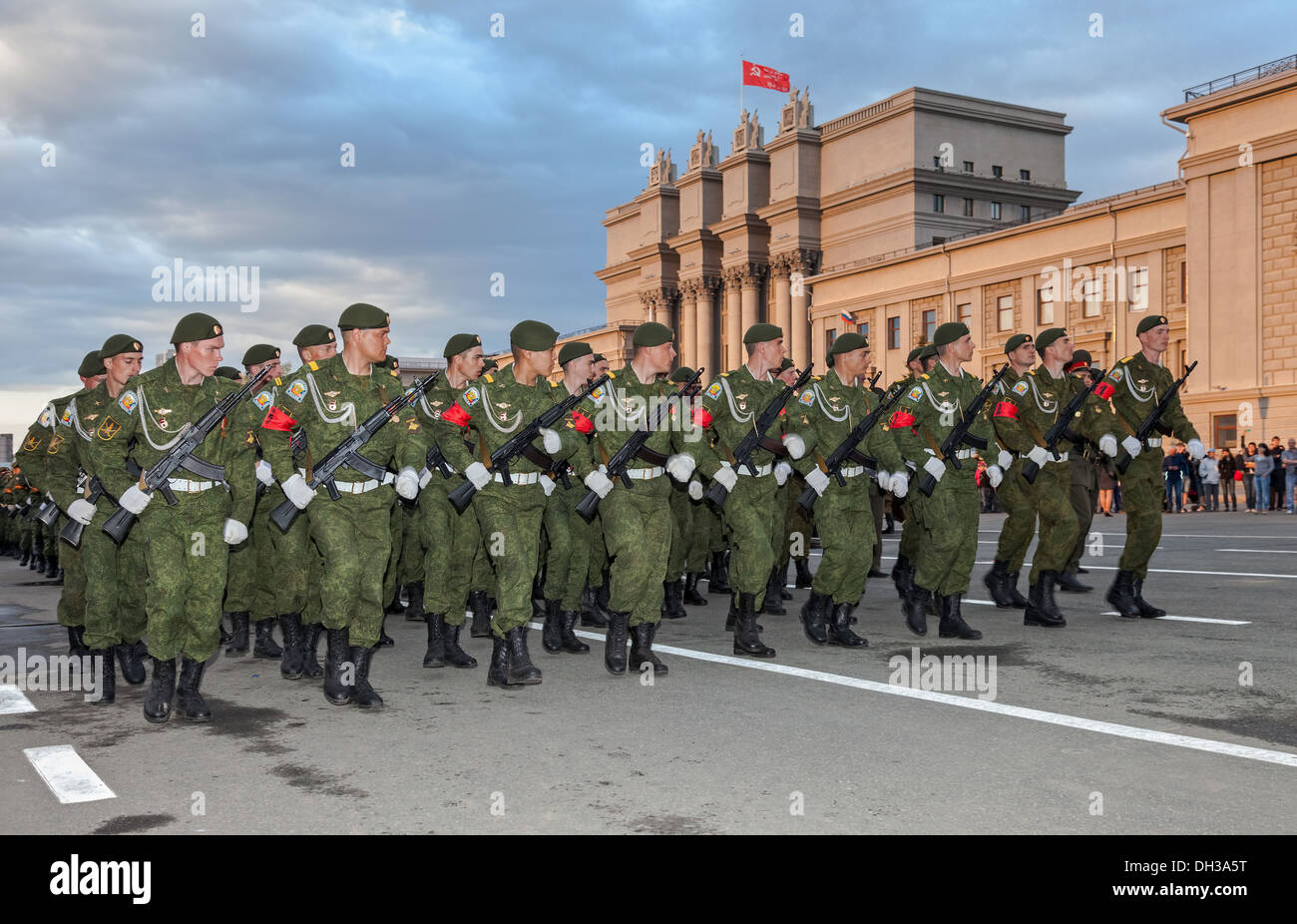
The Victory Day parade, traditionally a grand display of Russia’s military might, is set to take place in Moscow on May 9. However, this year’s event is expected to be significantly scaled back due to security concerns and the ongoing drone strikes. Reports suggest that the parade will feature fewer troops and military equipment than in previous years, with a greater emphasis on symbolic displays rather than large-scale demonstrations of force.
President Putin, who has used Victory Day parades in the past to project strength and unity, is expected to deliver a speech that will likely address the current security situation. Analysts predict that he will frame the drone attacks as evidence of Ukraine’s desperation and weakness, while also warning of Russia’s readiness to respond decisively.
International Reactions: NATO and EU Urge Restraint
The international community has responded to the escalation with a mix of concern and calls for restraint. NATO officials have reiterated their support for Ukraine’s right to self-defense while warning against actions that could lead to a wider conflict. The European Union has similarly emphasized the need for de-escalation, with EU foreign policy chief Josep Borrell stating that “the time for dialogue is now, before the situation spirals further out of control.”
China, while officially neutral, has called for a return to negotiations, though its influence in the region remains limited. Meanwhile, Turkey, which has maintained a delicate balancing act between Russia and Ukraine, has urged both sides to exercise restraint and avoid actions that could destabilize the region.
What Happens Next: The Path Forward
The situation remains fluid, with several potential outcomes on the horizon:
- Escalation: If Ukraine continues its drone campaign and Russia responds with kinetic strikes, the conflict could spiral into a broader regional war, drawing in NATO and other international actors.
- De-escalation: If both sides agree to a ceasefire and return to diplomatic channels, there may be an opportunity to negotiate a lasting settlement, though past attempts have proven difficult.
- Stalemate: The most likely short-term outcome is a prolonged period of heightened tensions, with both sides engaging in limited strikes while avoiding full-scale conflict.
For now, the focus remains on the May 9 Victory Day parade and whether it will serve as a catalyst for further escalation or an opportunity for de-escalation. The international community will be watching closely, as the decisions made in the coming days could shape the trajectory of the war for months to come.
Where to Find Official Updates
For the latest developments on the Ukraine-Russia conflict, readers are encouraged to monitor the following official sources:
- Kyiv Independent – Ukrainian news and analysis
- Russian Ministry of Foreign Affairs – Official Russian statements
- NATO Official Website – Alliance updates and statements
- European External Action Service – EU diplomatic responses
As the situation evolves, we welcome your insights and questions. Share your thoughts in the comments below or join the discussion on our social media channels. Stay informed, stay safe, and let us know how you’re following this developing story.
Maria Petrova
Editor, World
World Today Journal
Related reading
- UK Supreme Court Rejects Bahrain’s State Immunity in FinSpy Spyware Case
- Argentines Joining Russia Conflict Without Official Registration
- Montreal Pride Increases Security Ahead of Parade (archynewsy.com)
- Potential Health Risks Loom as Northwest Arkansas Faces Continued Heat Advisory (world-today-news.com)