Russia’s Ministry of Defense claimed to have intercepted 660 Ukrainian drones during a massive overnight aerial operation, according to reports from several European news outlets. While Moscow maintains a high success rate in air defense interceptions, Ukraine has intensified its long-range drone campaigns, specifically targeting the Russian capital and regional energy infrastructure.
The reported scale of the drone swarm represents one of the largest single-night aerial engagements of the ongoing conflict. These claims arrive as Ukraine shifts its tactical focus toward striking deep within Russian territory, aiming to disrupt logistics and psychological stability within the Russian Federation.
How many drones did Russia claim to intercept?
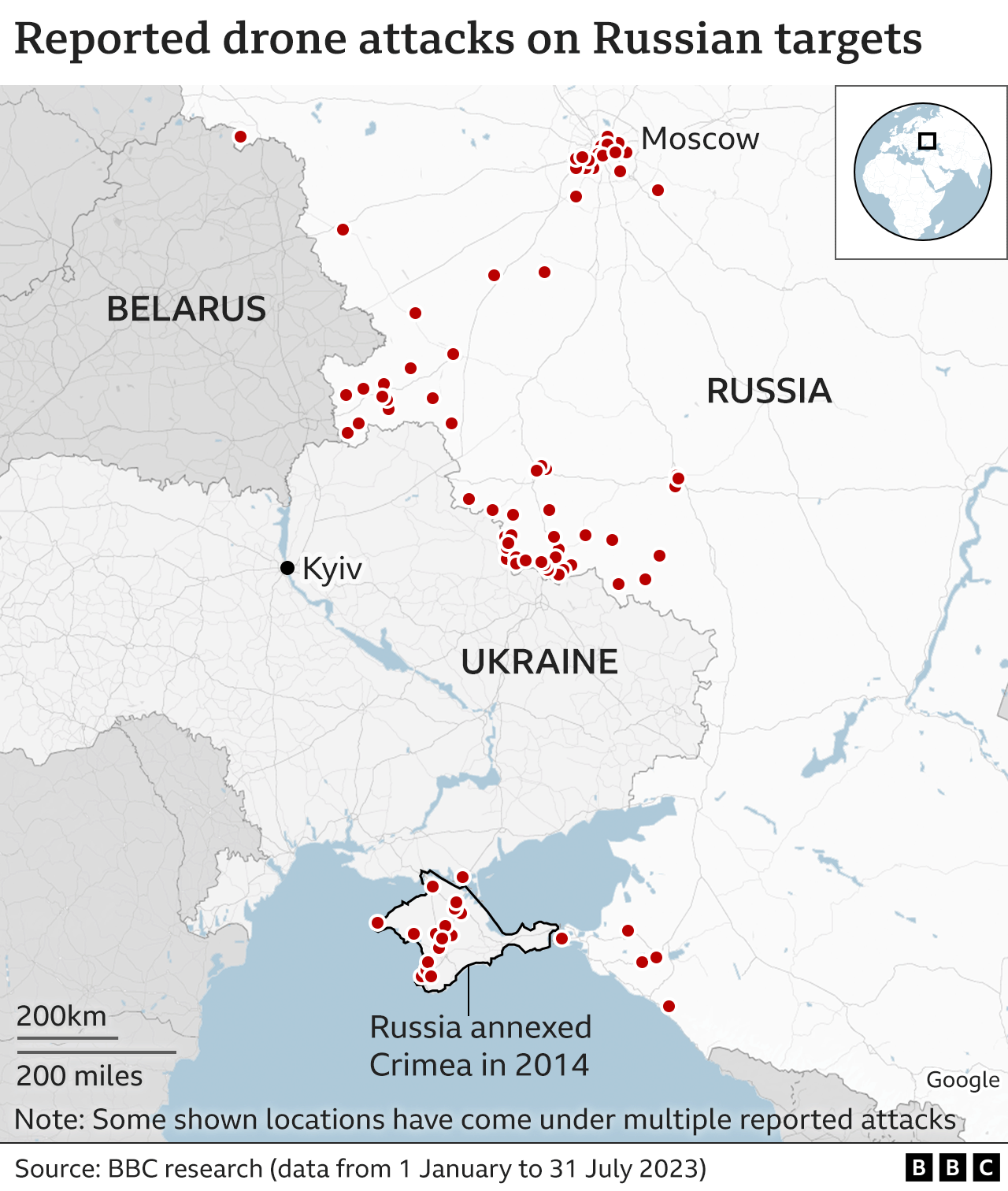
According to reports from Le Monde and franceinfo, Russian authorities stated they successfully downed 660 Ukrainian drones during a single night of intensive aerial activity. The Russian Ministry of Defense has not provided a specific breakdown of the geographical locations where these interceptions occurred, though the scale of the number suggests a coordinated effort to saturate Russian air defense systems across multiple fronts.
Independent verification of the 660-drone figure remains unavailable. Military analysts often note that such high numbers in official state reports can reflect the total number of drones detected or targeted by radar, rather than just those physically destroyed. However, the sheer volume described by Russian officials indicates a significant escalation in the frequency and density of Ukrainian unmanned aerial vehicle (UAV) deployments.
The use of mass drone swarms is a documented tactic intended to overwhelm air defense batteries. By forcing an adversary to expend expensive interceptor missiles on relatively low-cost drones, the attacking force aims to create gaps in coverage for more critical strikes.
What is the impact of drone strikes on Moscow?
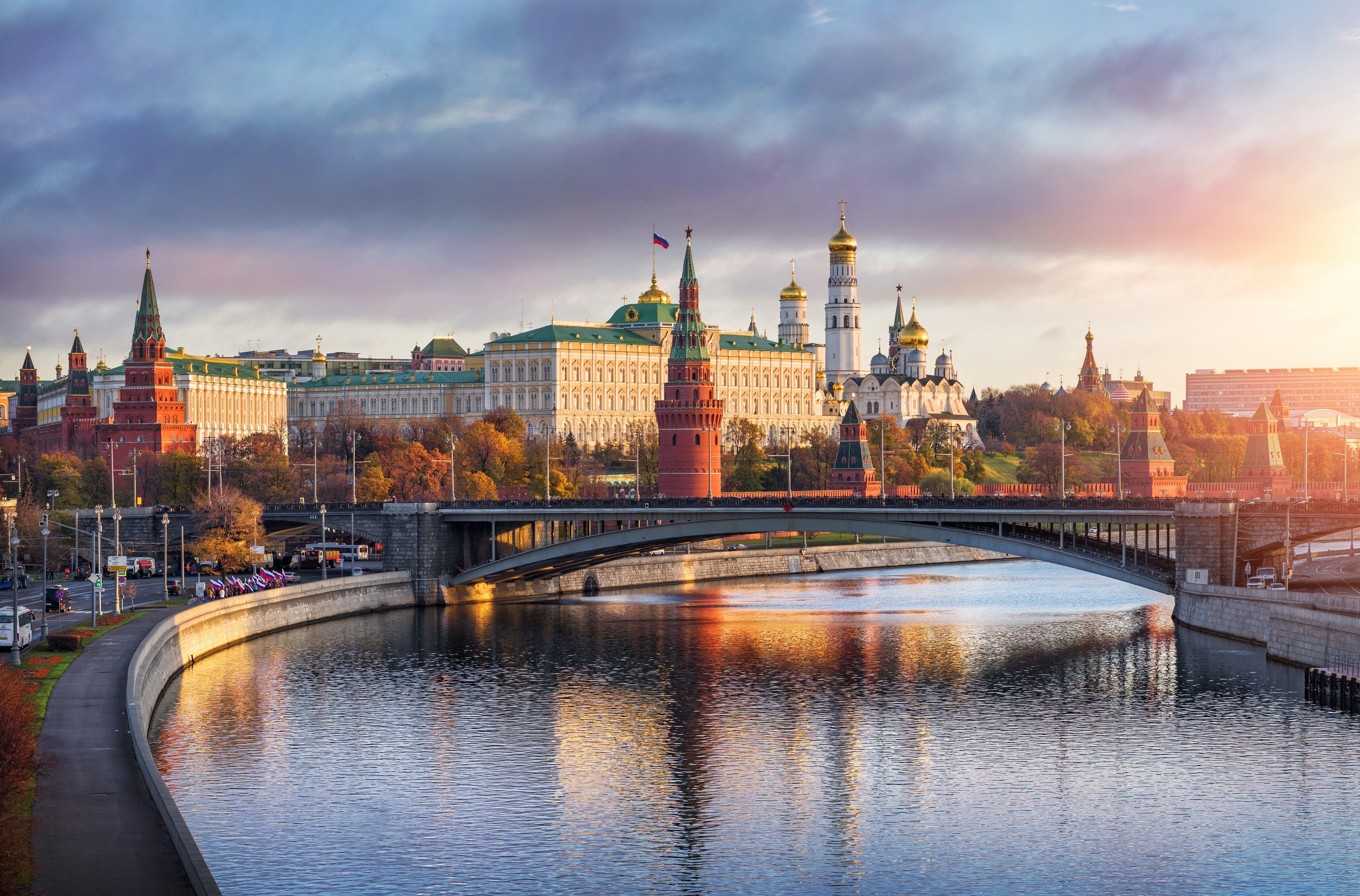
The strategic focus of Ukrainian operations has increasingly turned toward Moscow. Le Parisien reported that Ukraine recently targeted the Russian capital using a wave of approximately 28 drones. While Russian air defense systems claimed to intercept these drones in transit, the proximity of the strikes to the seat of Russian power marks a notable shift in the conflict’s geography.

These strikes serve several tactical and psychological purposes:
- Infrastructure Disruption: Targeting command centers and logistical hubs within the capital.
- Psychological Warfare: Demonstrating that Russian airspace is not impenetrable, even over its most heavily defended cities.
- Resource Diversion: Forcing Russia to relocate air defense assets from the front lines in Ukraine to protect domestic urban centers.
The frequency of these attacks suggests that Ukraine is moving past localized border skirmishes and into a phase of sustained deep-strike capability. This capability is designed to make the cost of the war visible to the Russian population and the central government.
How are drone attacks affecting regional energy production?
The reach of drone warfare is extending beyond the immediate borders of the Russia-Ukraine conflict. Reports from Boursorama indicate that Kazakhstan has been forced to reduce production at several of its oil and gas fields following drone attacks on energy infrastructure. While the specific link between Ukrainian operations and Kazakhstani territory is subject to ongoing investigation, the incident highlights the vulnerability of energy corridors in Central Asia.
Energy security remains a primary target in the current geopolitical climate. The disruption of oil and gas production, whether in Russia or neighboring states like Kazakhstan, has immediate implications for global energy markets and regional stability. Analysts suggest that the targeting of energy nodes is a method of exerting economic pressure on state actors by destabilizing their primary revenue streams.
The following table summarizes the different reported aspects of recent aerial activity:
| Reported Event | Claimed/Reported Scale | Primary Source/Context |
|---|---|---|
| Russian Air Defense Interceptions | 660 drones | Russian Ministry of Defense claims |
| Moscow Targeted Strike | 28 drones | Le Parisien reporting |
| Kazakhstan Energy Impact | Reduced Oil/Gas production | Boursorama reporting |
Why is the drone war shifting the conflict’s dynamics?
The evolution of drone technology has fundamentally altered the nature of modern attrition warfare. La Montagne has characterized this period as a “Ukrainian moment,” noting that the ability to conduct spectacular strikes on Moscow and other deep-seated Russian targets has changed the narrative of the war. This shift suggests that Ukraine is no longer merely defending its territory but is actively contesting Russian sovereignty through asymmetric means.

The efficacy of these strikes depends on two factors: the increasing range of Ukrainian-made UAVs and the ability of Russia to maintain a continuous air defense umbrella over a vast landmass. As Ukraine continues to iterate on drone designs, the cost-to-kill ratio for Russian air defenses remains a critical concern for military planners.
The broader implications include:
1. Asymmetric Escalation: Ukraine uses relatively inexpensive technology to threaten high-value targets, a method that is difficult for traditional military structures to counter economically.
2. Global Proliferation: The success of these drone campaigns is driving a global arms race in autonomous systems and electronic warfare capabilities.
3. Economic Strain: The continuous need to defend against swarms of drones places an immense logistical and financial burden on the Russian state.
The next official updates regarding air defense success rates and drone interception counts are expected following the next round of Ukrainian aerial sorties. Observers will be looking for confirmation of damage to any specific Russian industrial or administrative sites.
What are your thoughts on the increasing use of long-range drones in modern warfare? Let us know in the comments and share this report with your network.
Worth a look