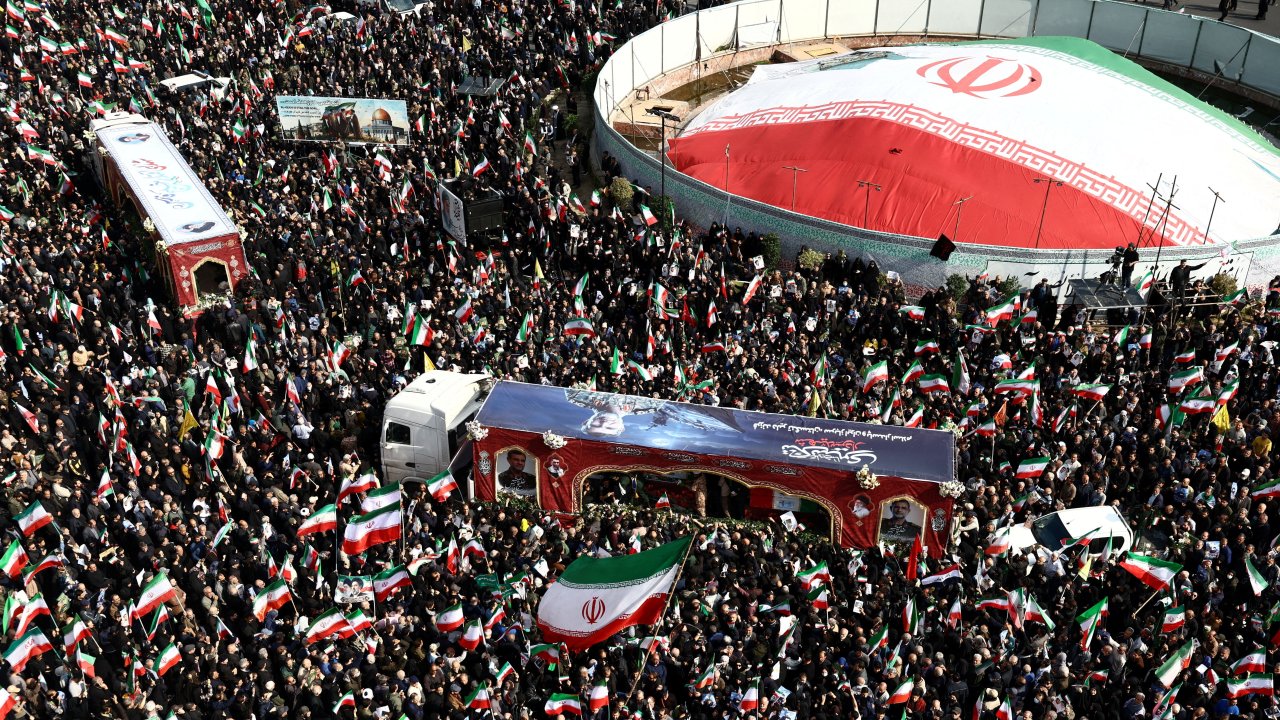
The strategic alignment between Moscow and Tehran has evolved from a marriage of convenience into a formalized, long-term alliance, raising critical questions about the future of the Russia-Iran military axis. As both nations face increasing isolation from the West, their cooperation has shifted from the exchange of hardware to a structured diplomatic and economic framework designed to bypass international sanctions and reshape regional power dynamics.
Central to this shift is the Comprehensive Strategic Partnership Treaty, a landmark agreement that codifies the relationship between the two powers. While speculation persists regarding the potential for direct Russian troop deployments to Iranian soil, the current verified evidence points toward a deepening of systemic integration—economic, logistical, and diplomatic—rather than an immediate transition to a joint combat force.
The alliance is not without its frictions. As Russia leans further into its partnership with Tehran, it faces a delicate balancing act in the Persian Gulf, where its ties to other regional heavyweights are being tested by its perceived endorsement of Iran’s military strategies. For the global community, the trajectory of this partnership serves as a barometer for the broader geopolitical struggle between a Western-led order and an emerging bloc of “revisionist” states.
The Comprehensive Strategic Partnership Treaty: A Recent Blueprint
The foundation of the modern Russia-Iran relationship was solidified on January 17, 2025, when President Vladimir Putin and President Masoud Pezeshkian signed the Comprehensive Strategic Partnership Treaty in Moscow According to official records. This treaty was designed to improve bilateral relations across multiple sectors, moving beyond tactical cooperation to a strategic union.
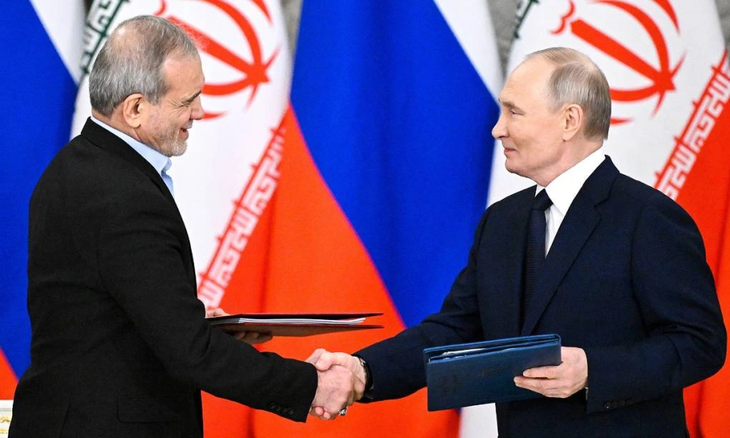
The agreement officially entered into force on October 2, 2025 as detailed in the treaty’s status. By establishing a formal legal framework, the two nations have signaled their intent to synchronize their foreign policies and security architectures. This formalization allows for more streamlined cooperation in intelligence sharing and military technology, though the specific clauses regarding mutual defense obligations remain a subject of intense international scrutiny.
Logistics and Geopolitics: The North-South Corridor
Beyond military hardware, the Russia-Iran military axis is underpinned by a massive infrastructure project: the International North-South Transport Corridor (INSTC). This 7,200 km transport route is intended to connect St. Petersburg in Russia to Mumbai in India via Iranian territory as reported by DW.
For Moscow, the INSTC is more than a trade route. It’s a geopolitical lifeline. Since the February 2022 invasion of Ukraine, Russia has been largely severed from its traditional European transport arteries. The corridor provides a critical alternative for exporting goods and importing technology, reducing Russia’s dependence on Western-controlled ports, and routes. The success of this corridor is inextricably linked to the stability of the Iranian regime, making Tehran’s security a direct Russian national interest.
Diplomatic Shielding and the Cost of Alliance
Russia has increasingly acted as a diplomatic shield for Iran on the world stage. Following attacks by Israel and the United States against Iran, the Permanent Representative of the Russian Federation to the United Nations characterized the actions as “armed aggression against a sovereign and independent UN member state” according to diplomatic reports.
However, this unwavering support comes with a strategic price. Russia’s alignment with Tehran’s military approach, specifically regarding drone warfare, has created tension with other nations in the Persian Gulf. There are growing concerns that Putin is risking his broader relationships with Gulf states to maintain the axis with Iran as noted in regional analysis. The challenge for the Kremlin is to support Tehran without completely alienating the wealthy monarchies of the Gulf, who remain vital economic partners.
Key Strategic Pillars of the Alliance
| Pillar | Key Component | Strategic Objective |
|---|---|---|
| Legal | Comprehensive Strategic Partnership Treaty | Formalize long-term bilateral cooperation |
| Logistical | INSTC (7,200 km corridor) | Bypass Western trade routes to India |
| Diplomatic | UN Support/Veto Power | Shield Iran from international sanctions/aggression |
| Military | Drone and Tech Exchange | Enhance asymmetric warfare capabilities |
What This Means for Global Security
The deepening of the Russia-Iran bond suggests a shift toward a multipolar world where regional powers form “axes” to counter Western influence. While the deployment of Russian ground troops into Iran remains unconfirmed and speculative, the integration of their economic and diplomatic apparatuses creates a formidable bloc. This partnership allows both nations to share the burden of sanctions and coordinate their responses to Western pressure.
For the United States and its allies, the Russia-Iran military axis represents a complex challenge. Any military action against one partner now carries the risk of triggering a response from the other, or at the very least, providing the aggrieved party with a diplomatic and logistical sanctuary. The synergy between Russian strategic depth and Iranian regional influence creates a new set of variables in the Middle East and Eurasia.
As the international community monitors the implementation of the 2025 treaty, the next critical checkpoint will be the continued development of the INSTC and the evolution of joint military exercises, which will provide clearer indicators of whether the alliance will move toward a more integrated command structure.
World Today Journal encourages readers to share their perspectives on this evolving alliance in the comments below.