The escalating conflict between the United States and Israel with Iran is prompting a reassessment of Tehran’s international alliances. While Russia and China have consistently cultivated closer ties with Iran, their responses to the recent US-Israeli actions – which include the assassination of Iranian Supreme Leader Ali Khamenei – have been notably restrained, stopping short of offering direct military support. This raises questions about the depth and limits of these partnerships, particularly as Iran faces a significant escalation in hostilities.
The current crisis, which began with US and Israeli airstrikes on Iranian military and government targets on Saturday, has already resulted in over 787 confirmed deaths within Iran, according to the semi-official Tasnim news agency as reported by CNN. Iran and its allied groups have retaliated with attacks targeting countries across the Middle East, as well as critical infrastructure like oil refineries and tourist facilities. The United States has issued warnings to its citizens to depart the region, and has temporarily closed its embassies in Riyadh and Kuwait due to security concerns .
The Limits of Russo-Iranian Partnership
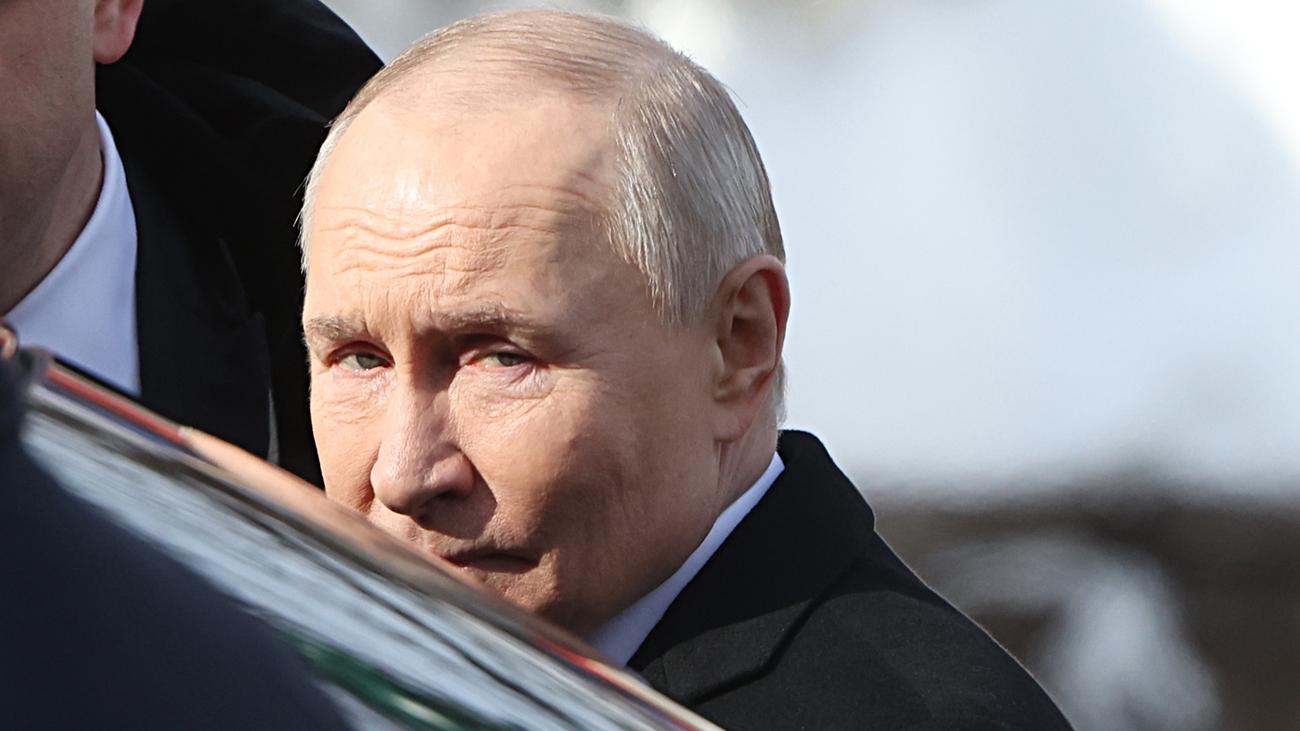
Russia and Iran have strengthened their strategic partnership in recent years, culminating in a comprehensive treaty signed in January 2025 covering trade, military cooperation, science, culture, and education as Al Jazeera reports. This collaboration has been partly driven by shared opposition to what both nations perceive as a US-led international order. Moscow and Beijing have as well engaged in joint naval drills, signaling a united front. Yet, despite this growing alignment, Russia has characterized the US-Israeli actions as a “cynical violation of all norms of human morals” – as stated by President Vladimir Putin – but has not pledged military intervention.
This cautious approach highlights a key distinction: strategic partnership does not necessarily equate to a military alliance. Russia’s primary concerns likely revolve around protecting its own strategic interests in the region and avoiding a wider conflict that could destabilize the area. While Russia benefits from its relationship with Iran – particularly as a means to circumvent Western sanctions – it also maintains relationships with other regional actors, including Israel. A full-scale commitment to Iran could jeopardize these delicate balances.
China’s Balancing Act
China’s position mirrors Russia’s in many respects. Beijing has also condemned the US-Israeli war on Iran as a violation of international law, with Foreign Minister Wang Yi urging all parties to avoid further escalation . However, like Russia, China has refrained from offering any concrete military support.
China’s economic interests in the region are substantial, particularly its reliance on Middle Eastern oil. A major escalation of the conflict could disrupt these vital energy supplies. China has cultivated economic ties with both Iran and its regional rivals, such as Saudi Arabia and the United Arab Emirates. Taking sides decisively could damage these relationships and undermine China’s broader strategic goals in the Middle East. China’s foreign policy prioritizes stability and non-interference, and a direct military intervention would be a significant departure from this approach.
The UN Security Council Response
Recognizing the gravity of the situation, both Russia and China jointly requested an emergency meeting of the United Nations Security Council . This move underscores their shared concern over the escalating conflict and their desire to de-escalate tensions through diplomatic channels. However, the effectiveness of the Security Council’s response remains uncertain, given the potential for vetoes from permanent members.
Regional Implications and Potential for Wider Conflict
The current conflict carries the risk of expanding beyond Iran’s borders. Iran’s retaliatory strikes have already targeted US bases and embassies in several Middle Eastern countries, as well as oil refineries and tourist infrastructure. Israel has simultaneously intensified its assault on Lebanon, seizing locations in southern Lebanon and conducting strikes against Hezbollah targets. The closure of Israeli crossings into and out of the occupied West Bank has also exacerbated the humanitarian situation for Palestinians, with limited access to urgent aid.
The potential for a wider regional war is a significant concern. The involvement of multiple actors, including Hezbollah, and the targeting of critical infrastructure, could quickly escalate the conflict. A disruption to oil supplies could have global economic consequences, further destabilizing the international system. The United States’ warnings to its citizens to leave the region reflect the growing sense of urgency and the potential for a prolonged and widespread conflict.
The Question of Nuclear Weapons
The escalating tensions have also reignited debate surrounding Iran’s nuclear program. While Iran maintains its program is for peaceful purposes, concerns remain about its potential to develop nuclear weapons. The possibility of Iran acquiring nuclear capabilities has long been a source of anxiety for regional and international powers. As one analyst noted, in a world without rules, only those with nuclear weapons are safe.
Looking Ahead
The immediate future remains highly uncertain. The United States and Israel are continuing their military operations against Iran, while Iran and its proxies are retaliating. The role of Russia and China will be crucial in shaping the trajectory of the conflict. Their continued diplomatic efforts, coupled with their reluctance to intervene militarily, suggest a preference for de-escalation and a negotiated settlement. However, the path to a resolution remains fraught with challenges.
The next key development to watch will be the outcome of the United Nations Security Council emergency meeting. The council’s ability to forge a consensus and implement effective measures to de-escalate the conflict will be a critical test of its authority and relevance. Further escalation, particularly any direct confrontation between Iran and the United States or Israel, could have catastrophic consequences for the region and the world.
What are your thoughts on the evolving situation in the Middle East? Share your perspectives in the comments below, and please share this article with your networks.