
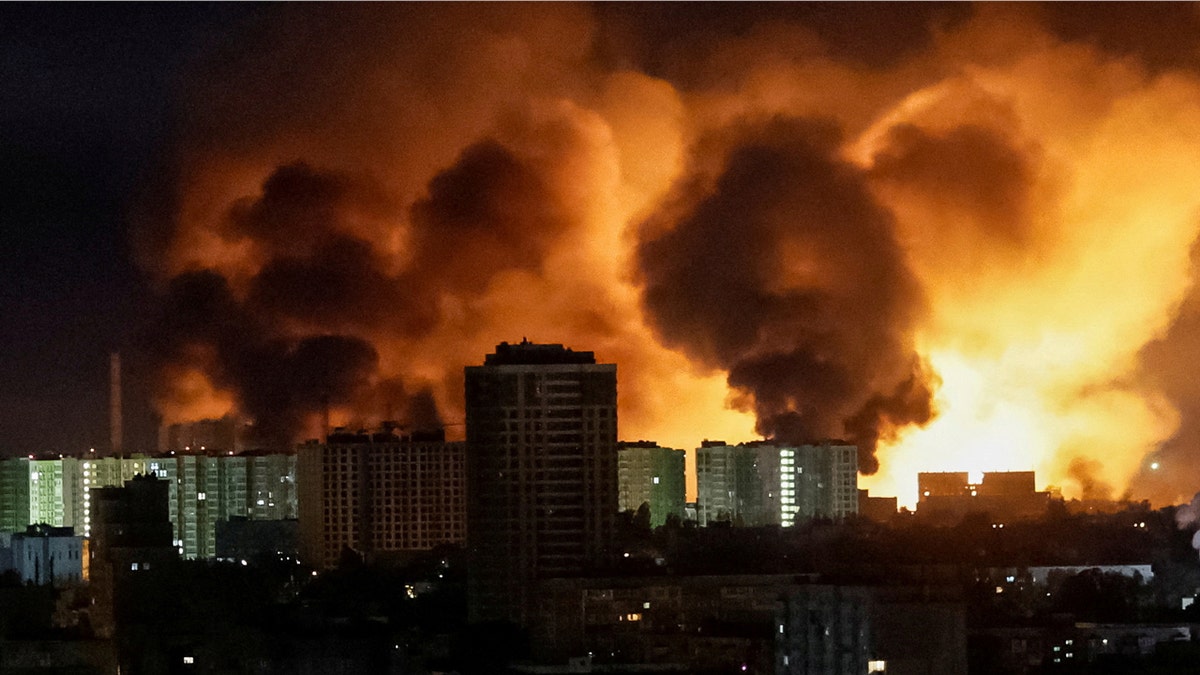
As I sit at my desk here in Sofia, watching the latest reports emerge from across the border, the reality of the ongoing conflict in Ukraine remains a sobering reminder of the fragility of peace in our modern era. In recent days, major Ukrainian cities have faced a significant escalation in aerial bombardment, forcing residents back into the subterranean safety of metro stations as the rhythm of daily life is once again shattered by the sound of sirens and the impact of long-range munitions.
The latest wave of attacks, which targeted densely populated areas including Kyiv and Dnipro, marks a grim intensification of the hostilities. For those of us who have spent years covering the complexities of geopolitics and human rights, these events are not merely headlines; they represent a profound humanitarian crisis that continues to reshape the security architecture of Europe. According to official reports from the Ukrainian military and government authorities, these strikes involved a wide array of ballistic and cruise missiles, as well as drone technology, resulting in widespread damage to civilian infrastructure and significant casualties.
A Strategic Shift in Aerial Warfare
The recent intensification of Russian strikes against Ukrainian urban centers has been characterized by military analysts as a shift toward large-scale, coordinated salvos designed to overwhelm air defense systems. The humanitarian impact of these strikes has been severe. In the wake of these attacks, the United Nations Human Rights Monitoring Mission in Ukraine has consistently documented the toll on non-combatants, noting that the destruction of residential buildings and energy facilities remains a primary driver of displacement and civilian suffering.
Beyond the immediate human toll, the geopolitical implications are reverberating far beyond Ukraine’s borders. The activation of Polish and NATO air policing measures in response to the proximity of these strikes to the alliance’s eastern flank highlights the heightened state of alert across the region. As reported by the North Atlantic Treaty Organization, the alliance remains committed to monitoring the situation closely, emphasizing the need for de-escalation while reinforcing the defense of member states’ airspace.
Living Beneath the Surface: The Metro as Sanctuary
For the residents of Kyiv, the return to metro stations as improvised bomb shelters is a stark reflection of the resilience and the exhaustion of a population living under constant threat. These stations, originally designed as architectural marvels of the Soviet era, have been repurposed into lifelines. During the most intense periods of aerial activity, thousands of people—including families with young children and the elderly—descend into the deep-level tunnels to seek refuge from the strikes occurring above ground.
This displacement is not merely physical; it is a psychological burden that has become part of the collective experience of Ukrainians. The World Health Organization has underscored the critical need for mental health and psychosocial support for those living in these conditions, noting that the persistent state of hyper-vigilance has long-term consequences for the well-being of the civilian population.
Key Humanitarian Concerns
- Displacement: The destruction of residential housing continues to force families into temporary shelters or transit stations.
- Energy Security: Targeted strikes on critical energy infrastructure frequently leave thousands without heat or electricity during the harsh winter months.
- Access to Healthcare: Damage to hospitals and clinics complicates the delivery of essential medical services, particularly for those wounded in recent attacks.
- Education: Continuous air raids have forced schools to move operations underground or shift entirely to remote learning models to ensure student safety.
The International Response and Looking Ahead
The international community continues to grapple with how to address the widening scope of the conflict. Diplomatic efforts remain focused on providing Ukraine with the necessary air defense capabilities to protect its cities. The recent commitments from various European nations and the United States to supply additional interceptors and radar systems are seen as a direct response to the patterns of these large-scale aerial assaults.
As we monitor the situation, the focus remains on the upcoming meetings of the Ukraine Defense Contact Group, where international partners are expected to coordinate further security assistance. For the people on the ground, however, the priority is survival and the hope for a cessation of hostilities that have now stretched into their third year.
We will continue to provide verified updates as information becomes available from official monitors and international observers. The situation remains fluid and we encourage our readers to rely on official advisories for safety information. If you have insights or perspectives to share on the humanitarian impact of these events, we invite you to join the conversation in the comments section below.
Worth a look
- Trump Warns Iran to Accept Deal or Face Complete Surrender
- Ukraine Drone Attacks Target Russian Oil Refineries and Airfields Amid Escalating Fighting
- Russian Military Bloggers Report Heavy Casualties And Low Life Expectancy For New Recruits (newsdirectory3.com)
- Why Submarines Switch to Red Lighting at Night (daybreakwire.com)