
As the conflict in Ukraine continues to evolve, the frequency and intensity of aerial assaults on urban centers have remained a central concern for international observers and local residents alike. In recent days, Kyiv and other major cities have faced renewed pressure from large-scale barrages, intensifying the humanitarian challenge and the strategic discourse surrounding the ongoing hostilities. As we monitor these developments, It’s essential to distinguish verified reports of infrastructure damage and casualties from the broader, often volatile, strategic context of the region.
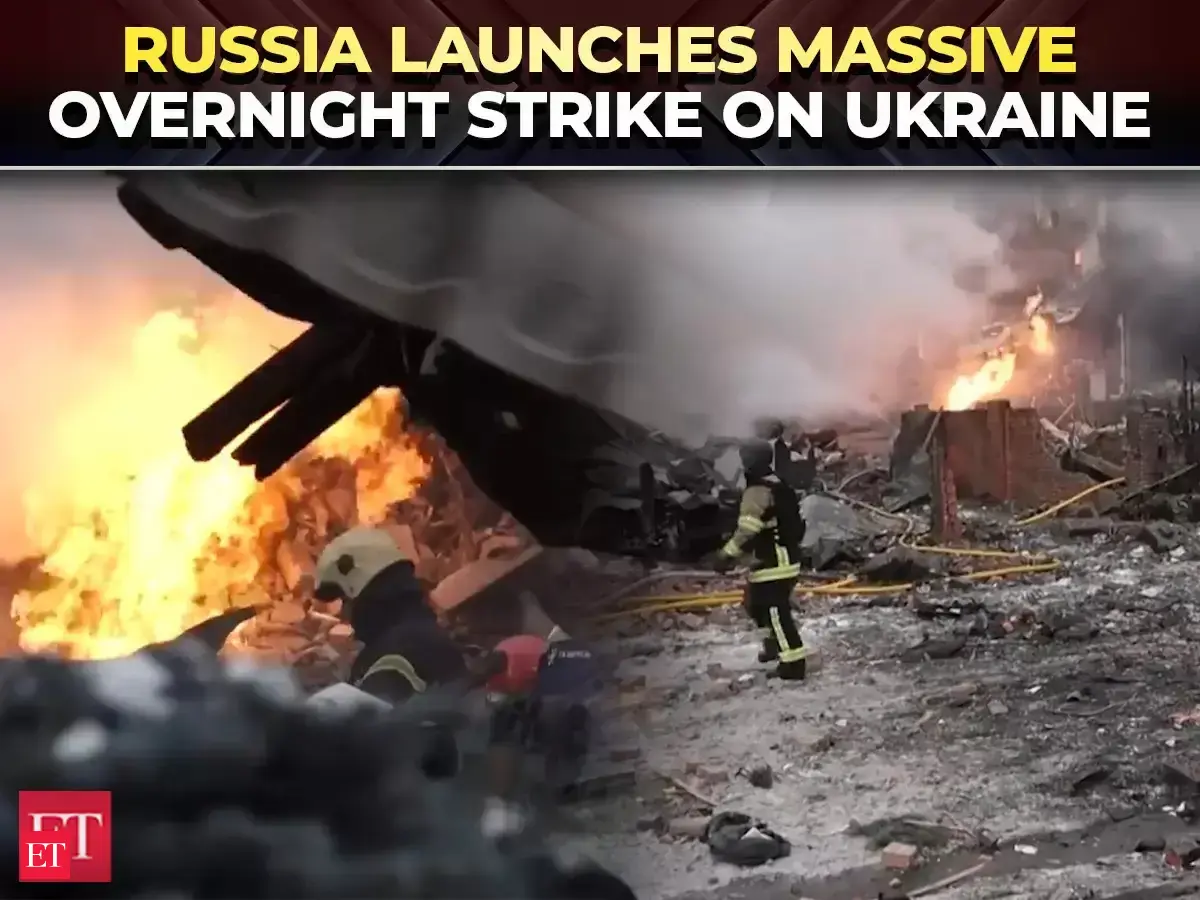
The latest reports confirm that Russian forces have conducted extensive aerial operations, utilizing a combination of drones and missiles to target critical areas across Ukraine. These events, occurring in the broader context of the ongoing war, underscore the precarious situation for civilians living in major population centers. Authorities in Kyiv have consistently urged citizens to adhere to air raid warnings, which remain a daily reality for millions across the country.
Understanding the Tactical Landscape
The recent intensification of attacks on Kyiv represents a persistent pattern of long-range strikes aimed at both military and civilian-adjacent infrastructure. According to the PBS NewsHour, recent barrages have caused significant damage to residential apartment buildings in Kyiv, as well as in the cities of Kharkiv and Odesa. The use of mixed-payload attacks—incorporating various types of drones alongside missile systems—is a tactic frequently observed, designed to overwhelm local air defense networks.
For those following the conflict, it is important to understand that these strikes are often framed within the narrative of retaliation. However, from a reporting perspective, the focus remains on the tangible impact on the ground: the loss of life, the destruction of civilian housing, and the continued strain on national energy and security infrastructure. The associated reports regarding the most recent overnight activity highlight the lethal nature of these encounters, with multiple casualties confirmed in the capital city.
Humanitarian Impact and Civilian Safety
The human cost of these barrages is the most urgent dimension of the crisis. When apartment complexes are struck, the immediate priority for first responders is search and rescue, followed by the restoration of essential services. The persistent nature of these alerts means that the psychological toll on the population is immense, with families frequently retreating to shelters or basement areas during the night.
International organizations have repeatedly called for the protection of civilians in accordance with international humanitarian law. While global powers continue to debate the provision of advanced air defense systems, the reality for the average resident in Kyiv remains one of uncertainty. Staying informed through official government channels is the only reliable way for those on the ground to receive real-time safety instructions and air raid alerts.
Looking Ahead: The Next Checkpoints
As of May 24, 2026, the situation remains fluid. While we do not speculate on future military maneuvers, the international community continues to focus on the following indicators of the conflict’s trajectory:
- Official Damage Assessments: Local municipal authorities in Kyiv are expected to release updated figures regarding the structural integrity of impacted residential buildings in the coming days.
- Diplomatic Briefings: Ongoing discussions at the United Nations and other international bodies regarding the protection of civilian infrastructure are expected to continue throughout the summer.
- Air Defense Updates: Future updates from the Ukrainian Ministry of Defense will confirm the success rates and types of munitions intercepted during any subsequent waves of attacks.
The volatility of this situation requires a commitment to sourcing only the most verified data. We will continue to track these developments as they emerge. We encourage our readers to stay engaged with our coverage; if you have insights or questions regarding the humanitarian situation or the broader geopolitical implications, please join the conversation in the comments section below or share this report to help keep our global community informed.
Worth a look