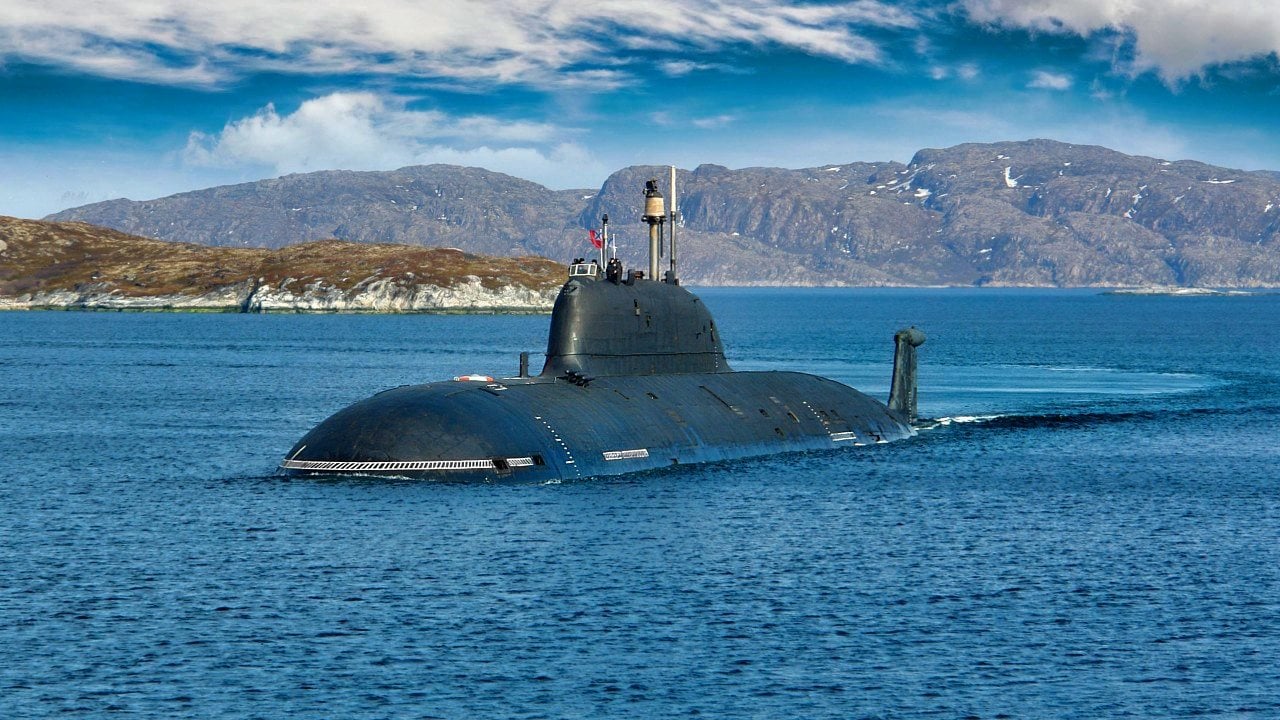
May 14, 2026 — 13:33 UTC — New intelligence assessments and emerging evidence suggest that Russia may have transferred sensitive nuclear submarine technology to North Korea, significantly accelerating Pjöngjang’s ambitions to develop an operational fleet of ballistic missile submarines (SSBNs). If confirmed, the alleged transfer—centered on decommissioned Soviet-era Akula-class submarine components—would mark a dramatic escalation in the proliferation of advanced naval nuclear capabilities, raising urgent concerns among global nonproliferation experts and regional allies.
The revelations follow the December 2024 sinking of the Russian cargo vessel Ursa Major off the coast of Cartagena, Spain, which investigators now suspect may have been transporting restricted materials bound for North Korea. While Russian officials have not commented publicly, South Korean intelligence sources and the U.S.-based monitoring group 38 North have analyzed satellite imagery and intercepted communications to piece together a pattern of suspicious shipments. Experts warn that even partial transfers—such as reactor cores, cooling systems, or propulsion blueprints—could shorten North Korea’s timeline to field a functional SSBN by years.
This development comes against the backdrop of a deepening military-technical partnership between Moscow and Pyongyang, formalized in 2025 through a mutual defense pact that has already seen North Korea supply artillery and missiles to Russia’s war in Ukraine in exchange for advanced weaponry. The potential handover of nuclear submarine technology would represent a qualitative leap in North Korea’s military posture, enabling it to project power beyond its coastal waters for the first time. For Russia, the move could serve dual purposes: bolstering North Korea’s deterrence capabilities while diverting attention from its own military setbacks in Ukraine.
What Technology Might Have Been Transferred?
The Akula-class submarines, developed by the Soviet Union in the 1970s, were among the most advanced attack submarines of their era, capable of deploying nuclear-tipped torpedoes and cruise missiles. While all Russian-built Akula vessels have been retired, their decommissioned reactors and propulsion systems remain highly sought-after by states seeking to bypass international safeguards. According to Arms Control Association analysts, North Korea has been pursuing a nuclear-powered submarine program for over a decade, with limited success due to technical hurdles in reactor design and radiation shielding.
Speculation centers on three potential transfer scenarios:
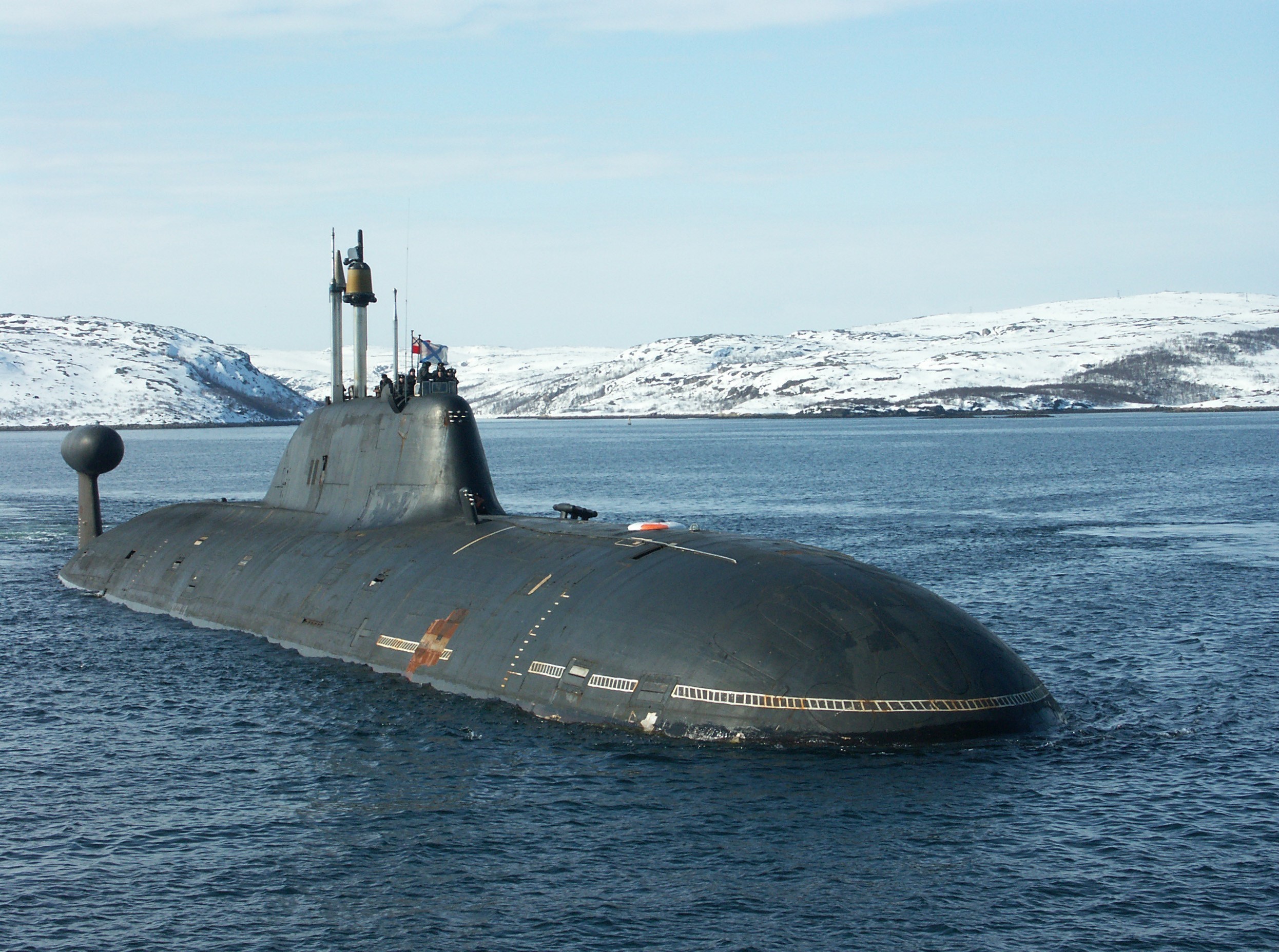
- Reactor cores: A fully functional nuclear reactor, even from a decommissioned submarine, could provide North Korea with a turnkey solution for powering a new SSBN design. Such a transfer would require overcoming significant logistical and safety challenges, including radiation containment and crew training.
- Propulsion systems: Components like steam turbines, condensers, or control rods could be reverse-engineered to replicate the Akula’s propulsion chain. Russian experts previously estimated that North Korea lacks the expertise to design a reactor from scratch, making imported components critical.
- Design blueprints: Digital or physical schematics for the Akula’s reactor compartment, cooling loops, and radiation shielding could accelerate North Korea’s indigenous development efforts. Leaked documents from the Ursa Major incident reportedly included encrypted files matching known Russian submarine architecture.
One unconfirmed report, cited by Reuters in September 2025, suggested that North Korea had received a single experimental reactor from Russia, though officials from both countries denied the claim at the time. The current assessments from 38 North and South Korean intelligence suggest a broader transfer effort, potentially involving multiple shipments over the past year.
Why This Matters: The Global Proliferation Risk
Nuclear-powered submarines represent a tier of military capability reserved for only six nations: the U.S., Russia, the UK, France, China, and India. The addition of North Korea to this exclusive club would have profound implications for regional stability and global nonproliferation efforts. Experts warn that an operational SSBN fleet would enable Pyongyang to:

- Deploy ballistic missiles from submerged platforms, making them nearly untraceable until launch.
- Project power into the Pacific and Indian Oceans, challenging U.S. And allied naval dominance.
- Create a second-strike capability, complicating any potential preemptive strike scenario against North Korea’s nuclear assets.
The transfer also risks undermining the International Atomic Energy Agency (IAEA)’s safeguards regime, which relies on transparency and inspections to prevent nuclear technology from being diverted to weapons programs. If Russia is found to have facilitated such a transfer—even indirectly—it could trigger sanctions under the U.S. Iran Sanctions Act (ISA) and other export control laws, though diplomatic fallout would likely be limited by Moscow’s veto power in the UN Security Council.
For North Korea, the acquisition of submarine nuclear technology would align with its long-standing strategy of byungjin (parallel development of nuclear weapons and conventional forces). However, the technical challenges remain daunting. North Korea’s existing submarine fleet consists primarily of diesel-electric boats, and its first attempted SSBN, the Sinpo-class, has been plagued by reliability issues. A Russian transfer could provide the critical mass of expertise needed to overcome these obstacles.
Recent Developments: The Ursa Major Incident and Beyond
The investigation into the Ursa Major’s sinking in December 2024 has taken on new urgency in light of the emerging technology transfer allegations. Spanish authorities initially attributed the vessel’s loss to mechanical failure, but declassified intelligence reports now suggest it may have been carrying dual-use cargo with military applications. Satellite imagery analyzed by C4ADS, a conflict monitoring group, indicates that the ship’s final voyage followed a route consistent with transit to a North Korean port.
While no direct evidence has been made public linking the Ursa Major to the submarine technology allegations, the timing is suspicious. The ship’s manifest reportedly included crates marked with radiation warning symbols, and witnesses described the cargo as “heavy and metallic”—consistent with reactor components. Russian state media has not addressed the incident, but independent analysts note that the ship’s owner, a subsidiary of the Russian nuclear energy corporation Rosatom, has a history of transporting decommissioned naval equipment.
In parallel, North Korea has accelerated its submarine construction program. A 2025 visit by a delegation of Russian naval engineers to a shipyard in Sinpo, reported by BBC News, coincided with the launch of a new Gorae-class submarine—widely believed to be a prototype for a future SSBN. While North Korea has not publicly acknowledged receiving foreign assistance for its submarine program, the arrival of Russian experts aligns with the broader pattern of military cooperation between the two nations.
Stakeholders and Responses
The potential technology transfer has drawn sharp reactions from key players:
- United States: The Biden administration has reportedly elevated the issue to a National Security Council meeting, with officials privately expressing concern that the transfer could trigger a regional arms race. The Pentagon is said to be reviewing contingency plans to counter North Korea’s new capabilities, though no public statements have been issued.
- South Korea: Seoul’s National Intelligence Service (NIS) has increased surveillance of North Korean shipyards and coastal waters, while President Yoon Suk-yeol has called for an emergency session of the Korea-U.S. Security Consultative Committee (SCC) to discuss joint responses. South Korean defense analysts warn that the transfer could force Seoul to accelerate its own submarine development program, currently reliant on Swedish and German technology.
- Russia: Moscow has not issued an official denial or confirmation, adhering to its typical strategy of plausible deniability in sensitive military matters. State media outlets like RT have framed the allegations as “Western propaganda,” but no concrete rebuttal has been provided.
- China: While Beijing has historically opposed North Korea’s nuclear ambitions, it may adopt a more neutral stance given its own strategic interests in balancing U.S. Influence in the region. Chinese state media has not commented on the reports, but diplomatic sources suggest that China is monitoring the situation closely to avoid being drawn into potential sanctions.
What Happens Next?
With no official confirmation from either Russia or North Korea, the next critical steps will likely involve:
- Technical verification: Independent experts, including those from the International Institute for Strategic Studies (IISS), are analyzing satellite imagery and intercepted communications to assess the plausibility of the claims. The IAEA may also request access to North Korean facilities under its safeguards agreements, though Pyongyang has historically resisted such requests.
- Diplomatic pressure: The U.S. And South Korea are expected to coordinate a response, potentially including:
- Expanded sanctions on Russian entities linked to the alleged transfers.
- Military exercises targeting North Korea’s submarine bases.
- A push for a UN Security Council resolution, though China’s likely veto would limit its impact.
- North Korea’s next move: If the technology transfer is confirmed, Pyongyang may accelerate its SSBN testing schedule. The first operational deployment of a North Korean SSBN could occur as early as 2028–2030, though technical setbacks remain a significant risk.
The situation underscores the growing interdependence—and potential conflicts—between Russia’s arms sales network and North Korea’s military modernization. As both nations face isolation and sanctions, their partnership poses a direct challenge to the global nonproliferation regime. For now, the international community remains in a state of heightened alert, awaiting further evidence to clarify the scope and implications of this alleged transfer.
Key Takeaways
- The alleged transfer of Akula-class submarine technology to North Korea could enable Pyongyang to develop its first operational ballistic missile submarine (SSBN) within the next decade.
- Evidence points to the December 2024 sinking of the Russian cargo ship Ursa Major as a potential conduit for restricted materials, though no direct proof has been made public.
- Russia and North Korea’s deepening military partnership—formalized in 2025—provides the context for such a transfer, though neither government has confirmed the allegations.
- The U.S., South Korea, and allies are monitoring the situation closely, with potential responses including sanctions, military drills, and diplomatic pressure.
- An operational North Korean SSBN would represent a major escalation in the region’s nuclear arms race, complicating deterrence strategies and regional stability.
For updates on this developing story, follow World Today Journal’s coverage of global security and technology transfers. We welcome your insights and questions in the comments below.
Worth a look