
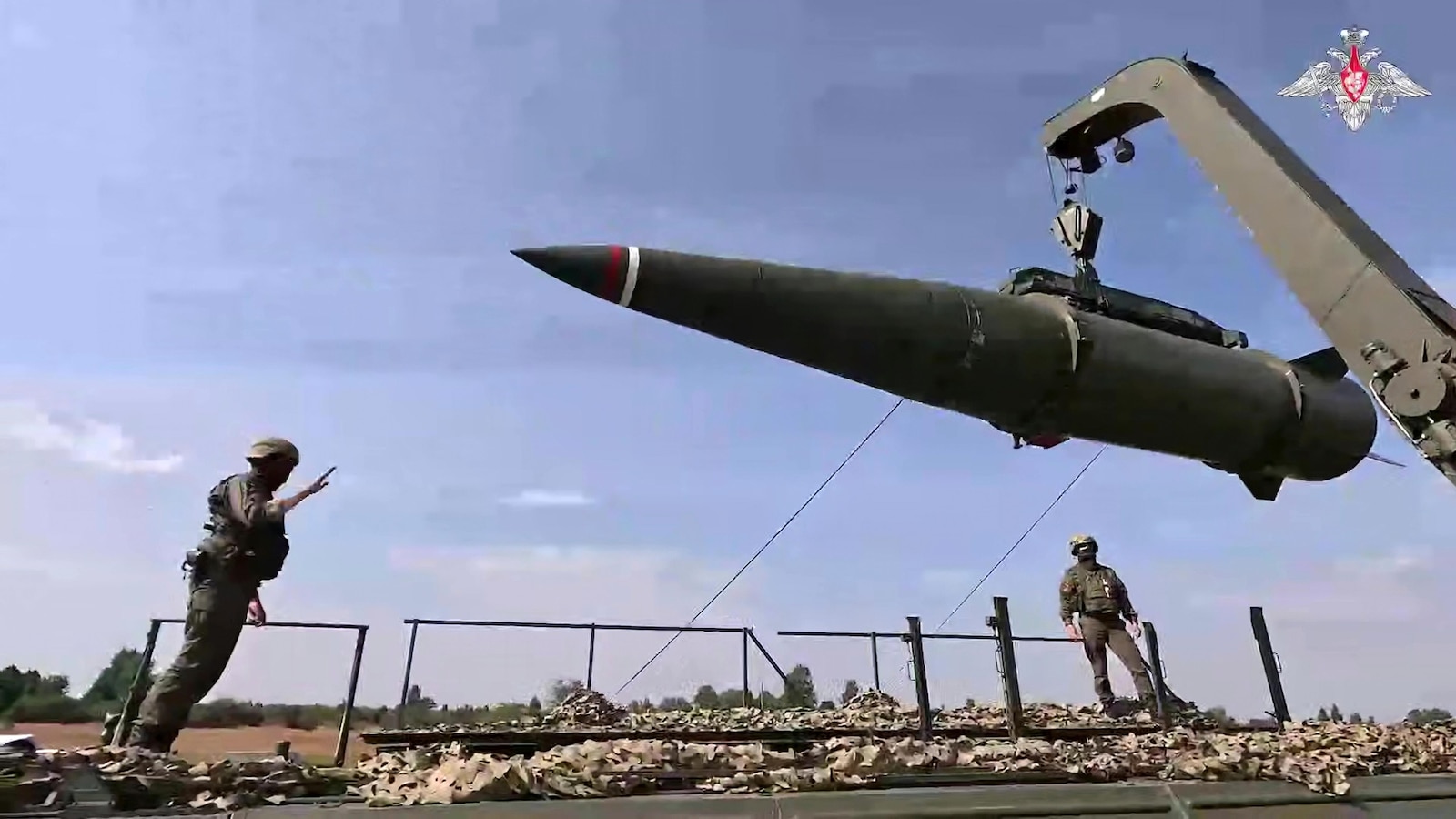
Russia‘s Nuclear Deployment to Belarus: A Return to Cold War Dynamics
The recent agreement between russia and Belarus to station tactical nuclear weapons on Belarusian soil marks a notable escalation in regional tensions and a stark reminder of cold War-era strategies. This move isn’t simply about military capability; it’s a complex geopolitical signal with far-reaching implications for European security. Let’s break down what this means for you and the evolving landscape of nuclear deterrence.
A Shift in Nuclear Posture
For months, Russia has alluded to the possibility of deploying these weapons, and the agreement is now moving forward with plans for the “Oreshnik” deployment. This decision allows Russia to potentially bypass some of the logistical challenges of launching attacks into Ukraine. Specifically, Russian aircraft and missiles will have easier and faster access to potential targets within Ukraine.
Moreover, this deployment extends Russia’s reach, now capable of targeting several NATO allies in Eastern and Central Europe. It’s a calculated move to reshape the security calculus in the region.
Belarus as a Strategic Hub
Belarus’s geographic location is central to this strategy. It effectively transforms the country into a ”balcony looming over the West,” as one analyst put it, threatening the Baltic states, Poland, and Ukraine. Remember, Belarus previously served as a crucial nuclear base during the Soviet era.
During the Cold War, belarus hosted over half of the Soviet Union’s intermediate-range missile arsenal, hidden within its dense forests. These land-based weapons, capable of reaching 500 to 5,500 kilometers (310 to 3,400 miles), were prohibited under the 1987 Intermediate-Range Nuclear Forces Treaty – a treaty the U.S. withdrew from in 2019.
What Does This Mean in Practice?
Several key factors are at play:
* Increased Payload Capacity: If launched from Belarusian territory, missiles targeting closer locations can carry a considerably heavier payload.
* Targeting Authority: Russia has indicated it would allow Minsk to select targets, granting Belarus a degree of control over potential nuclear strikes.
* Revived Infrastructure: Approximately 100 heavily reinforced storage sites for nuclear weapons were built in Belarus during the Soviet period. Many of these sites have been renovated to accommodate Russian nuclear weapons.
* Strategic Ambiguity: Even without immediate plans for use, the deployment itself sends a powerful signal. Russia is intentionally creating uncertainty about where the weapons are located, potentially keeping warheads in onyl a few of the available storage sites. This forces potential adversaries to account for multiple possibilities.
The Signaling Effect
The deployment isn’t solely about enhancing military capabilities. It’s also a potent form of signaling.As one expert noted, the presence of these weapons, even without plans for deployment, serves as a deterrent and a demonstration of resolve. You can expect this to influence diplomatic negotiations and strategic calculations across Europe.
A Return to Cold War Realities?
This situation undeniably echoes the Cold War, bringing back memories of a time when Europe was a primary theater for potential nuclear conflict.The implications are profound, requiring careful consideration and a renewed focus on arms control and de-escalation strategies. It’s a complex situation,and understanding the nuances is crucial for navigating the evolving security landscape.
This deployment represents a significant shift, and continued monitoring of the situation is essential. It’s a reminder that the threat of nuclear conflict, while diminished as the Cold War, has not disappeared.


