
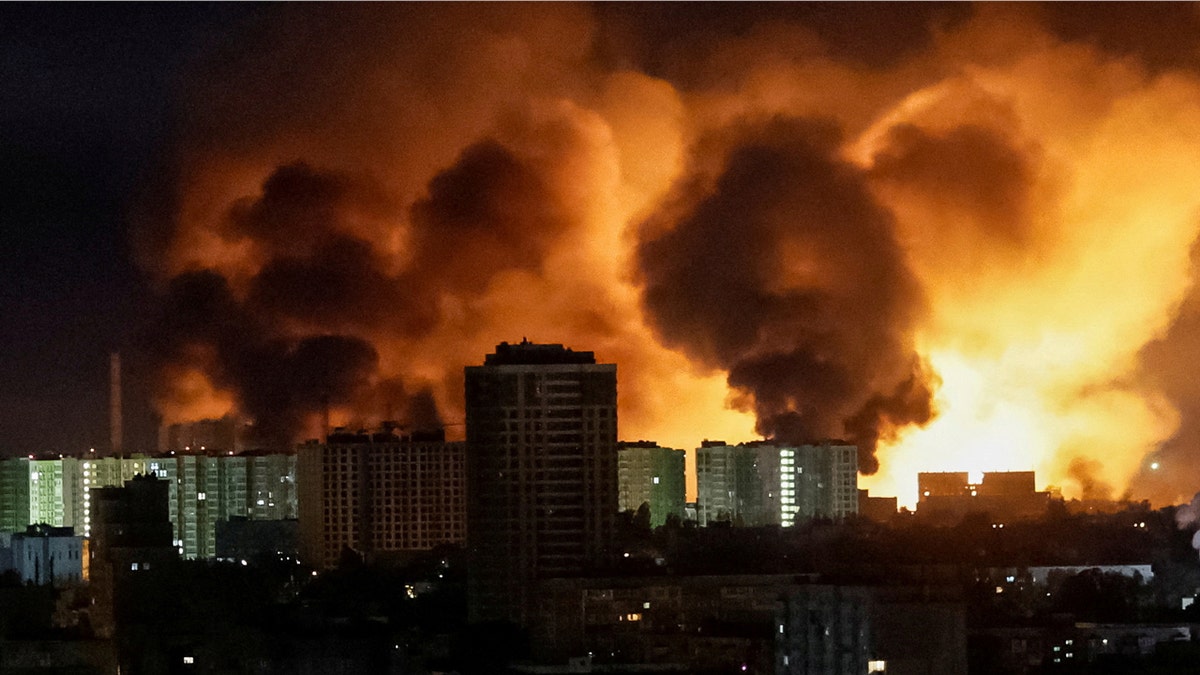
As the conflict in Ukraine continues to evolve, international observers are closely monitoring reports regarding potential escalations in military activity. Ukrainian officials, including President Volodymyr Zelenskyy, have recently issued warnings regarding the prospect of a new, large-scale strike by Russian forces. These assertions come at a time when the geopolitical landscape remains volatile, with both sides engaging in complex tactical maneuvers and public messaging strategies aimed at both domestic and international audiences.
The situation remains fluid, characterized by a persistent cycle of strikes and counter-strikes that have defined the conflict since its inception. As we analyze the latest developments, It’s essential to distinguish between official government statements and the broader context of military posturing. The focus for global observers remains on the humanitarian impact and the strategic shifts that continue to shape the regional security environment in Eastern Europe.
Understanding the Current Strategic Climate
The recent warnings from Kyiv regarding potential Russian military escalations are part of a broader, ongoing dialogue concerning the trajectory of the war. Historically, such statements have often preceded or coincided with intensified aerial campaigns. According to reports from the Reuters news agency, Ukrainian authorities have frequently cited intelligence regarding the accumulation of cruise and ballistic missile stockpiles, urging citizens to remain vigilant during air raid alerts.
The use of advanced weaponry has also become a focal point of recent discourse. The introduction of new missile systems, such as the Oreshnik, has been framed by Russian leadership as a response to the use of Western-supplied long-range munitions by Ukraine. This escalation in hardware capability underscores the heightened risk profile of the current phase of the conflict. The BBC has documented the strategic significance of these technological advancements, noting that they represent a shift in the methods used to project power across the front lines.
The Role of International Diplomacy and Support
The international community continues to play a pivotal role in the ongoing crisis. Diplomatic efforts, led by various European nations and the United States, remain focused on providing Ukraine with the necessary defensive capabilities while attempting to prevent a wider regional conflict. The North Atlantic Treaty Organization (NATO) maintains a consistent stance, emphasizing the importance of sovereignty and the provision of support to ensure Ukraine’s ability to defend its internationally recognized borders.
Economic and military aid remains a primary mechanism through which external partners influence the conflict’s duration and intensity. While some analysts point to “war fatigue” within certain political spheres, the commitment of major institutional partners has largely remained steady. Understanding the logistical and economic underpinnings of this support is crucial for those following the conflict from a geopolitical perspective.
Key Takeaways for Global Observers
- Escalation Risks: Military analysts emphasize that the conflict remains highly susceptible to sudden shifts in intensity, particularly regarding the use of long-range aerial assets.
- Official Communication: Statements from the Ukrainian presidency regarding “massive strikes” are intended to prepare the population and signal to international partners the ongoing threat posed by Russian military capabilities.
- Technological Shifts: The introduction of novel missile systems represents a strategic evolution that requires continuous monitoring by international defense agencies.
- Humanitarian Impact: The primary consequence of these tactical shifts remains the disruption of civilian infrastructure and the ongoing need for international humanitarian assistance.
Looking Ahead: Monitoring the Situation
The coming weeks will likely be defined by the effectiveness of air defense systems and the ability of both nations to maintain logistical chains under extreme pressure. For those seeking verified information, monitoring updates from official government channels and established international news wire services is recommended. It is also important to note that the Organization for Security and Co-operation in Europe (OSCE) continues to provide reporting on the broader security implications of the conflict, offering a neutral lens through which to view these complex events.
As this situation develops, our editorial team at World Today Journal remains committed to providing balanced, evidence-based reporting. We encourage our readers to participate in the conversation by sharing their perspectives and staying informed through reliable, primary sources. Please continue to check our dedicated coverage for the latest verified developments.
Maria Petrova, Editor, World.
Worth a look
- US Navy Continues Maritime Blockade of Iran, Diverting Dozens of Commercial Ships
- Space Waste Heat Problem: Caltech’s Challenge Explained
- Massive Attack Performs Seo Taiji’s ‘Generals’ at Incheon Pentaport Rock Festival (archynewsy.com)
- Trump Slams Iran’s Duplicity and Warns Blockade Will Remain Amid Stalled Talks (world-today-news.com)