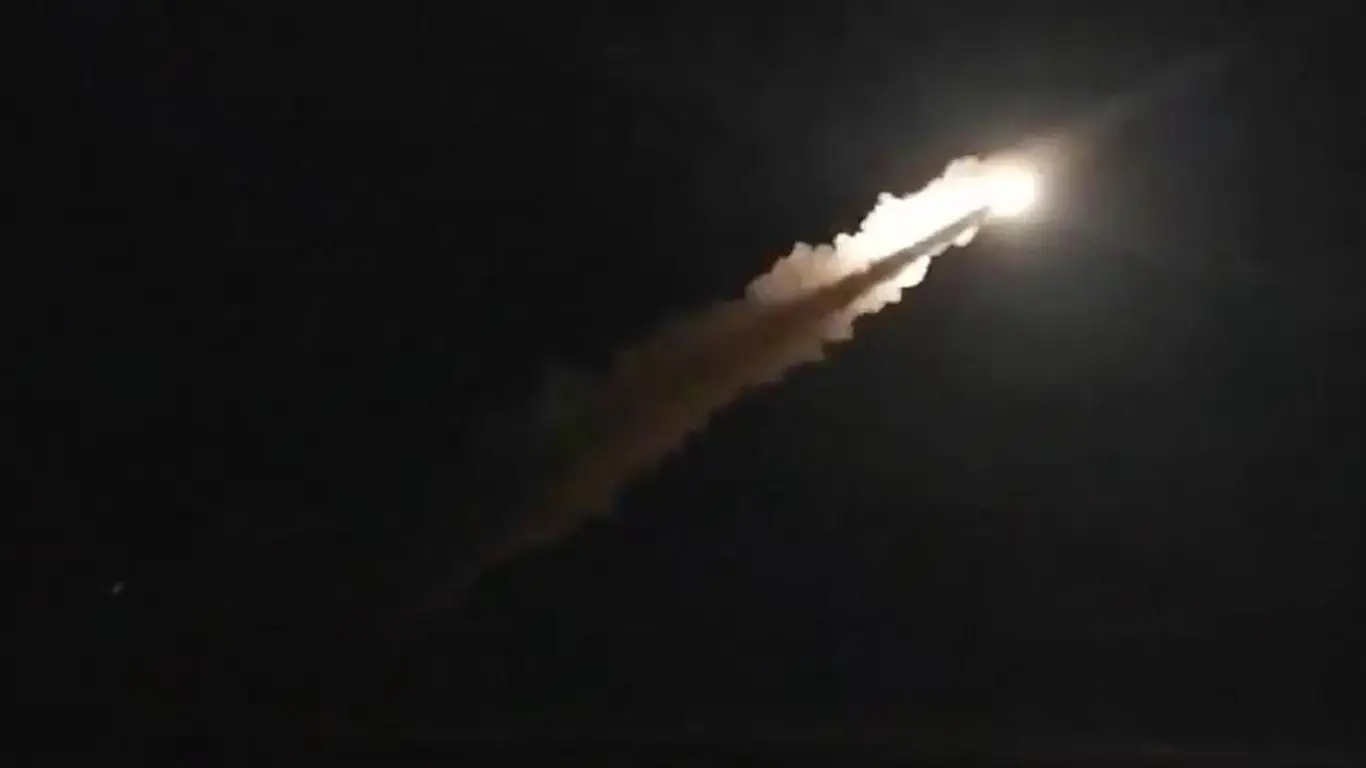
Kyiv, Ukraine – Reports emerged on Saturday indicating that Russian forces have targeted and reportedly destroyed key Ukrainian military assets, including a HIMARS rocket launcher and “Flamingo” cruise missile launch systems. The claims, originating from the Russian Ministry of Defence, come as fighting continues along the eastern front lines and raise concerns about the escalating nature of the conflict.
The alleged strikes, which took place over the past 24 hours, were carried out using a combination of tactical aviation, strike drones, missile troops, and artillery, according to the Russian Ministry of Defence. Beyond the destruction of the HIMARS reload vehicle and the Flamingo systems, Moscow asserts its forces also struck Ukrainian transport and energy infrastructure, as well as locations used for the assembly, storage, and pre-flight preparation of long-range drones. The ministry reported targeting areas used as temporary deployment points for Ukrainian armed forces and foreign mercenaries, claiming a total of 141 areas were hit.
The United States-supplied High Mobility Artillery Rocket System (HIMARS) has been a crucial component of Ukraine’s defense capabilities, allowing for precision strikes against Russian command posts, ammunition depots, and logistical hubs. The reported destruction of a HIMARS reload vehicle, if confirmed, represents a significant blow to Ukraine’s long-range fire capabilities. The “Flamingo” systems, reportedly Ukrainian-developed cruise missiles, are also considered valuable assets, offering a means to strike targets deep within Russian-held territory. The loss of these systems could impact Ukraine’s ability to conduct counter-offensive operations.
Russian Ministry of Defence Claims Detailed Strikes
The Russian Ministry of Defence’s statement, reported by multiple Russian state media outlets including Rambler News, TASS, and Rossiyskaya Gazeta, details a week of what it describes as “massive and six group strikes” against Ukraine’s military-industrial complex. The ministry claims to have targeted a fuel storage facility belonging to the Ukrainian armed forces during this period. These claims have not been independently verified by international observers.
The reports come amid a backdrop of intensified fighting in eastern Ukraine, particularly around the city of Avdiivka, where Russian forces have been attempting to craft gains for weeks. Ukraine continues to rely heavily on Western military aid, including HIMARS systems, to bolster its defenses and conduct counter-offensives. The potential loss of these systems raises questions about the sustainability of Ukraine’s military efforts and the continued flow of Western support.
HIMARS: A Key Weapon in Ukraine’s Arsenal
The HIMARS, manufactured by Lockheed Martin, has proven to be a game-changer in the conflict. Its precision-guided rockets can strike targets up to 80 kilometers (50 miles) away, allowing Ukraine to disrupt Russian supply lines and target key infrastructure. The system’s mobility and accuracy have made it difficult for Russian forces to counter effectively. The United States has provided Ukraine with dozens of HIMARS launchers, along with thousands of rockets, as part of a broader package of military aid. The total value of US military assistance to Ukraine since the start of the conflict has exceeded $50 billion, according to the US State Department.
The “Flamingo” missile system, less widely discussed in Western media, represents Ukraine’s attempt to develop indigenous long-range strike capabilities. Details about the system’s range and capabilities are limited, but It’s believed to be capable of hitting targets within Russia. The reported destruction of these systems could hinder Ukraine’s efforts to develop its own domestic arms industry and reduce its reliance on foreign suppliers.
Independent Verification Challenges
As with many claims made by both sides in the conflict, independent verification of the Russian Ministry of Defence’s statements is challenging. Access to the battlefield is restricted, and both sides routinely engage in information warfare. It is difficult to ascertain the extent of the damage caused by the strikes and the actual number of systems destroyed. International observers have consistently called for greater transparency and access to conflict zones to ensure accurate reporting.
The Institute for the Study of War (ISW), a US-based think tank that closely monitors the conflict, has noted the Russian military’s tendency to exaggerate its successes and downplay its failures. In its daily assessment on February 20, 2026, the ISW cautioned against accepting Russian claims at face value, emphasizing the need for independent corroboration. The ISW also highlighted the ongoing Russian offensive around Avdiivka and the challenges facing Ukrainian forces in holding the line.
Impact on the Conflict’s Trajectory
The reported destruction of the HIMARS reload vehicle and the “Flamingo” launch systems, if confirmed, could have a significant impact on the trajectory of the conflict. A reduction in Ukraine’s long-range fire capabilities could make it more difficult to disrupt Russian operations and defend against attacks. However, Ukraine has demonstrated a remarkable ability to adapt to changing circumstances and find innovative ways to overcome challenges. The continued flow of Western military aid will be crucial in determining Ukraine’s ability to sustain its defense efforts.
The conflict in Ukraine remains a complex and fluid situation. The coming weeks and months will be critical in determining the outcome of the war. The international community continues to grapple with the challenges of providing support to Ukraine while avoiding escalation and seeking a peaceful resolution to the conflict. The situation underscores the importance of continued diplomatic efforts and the need for a commitment to international law and the principles of sovereignty and territorial integrity.
The next major development to watch will be the upcoming meeting of NATO defense ministers on February 28, 2026, where discussions are expected to focus on the ongoing situation in Ukraine and the provision of further military assistance. Updates from the Ukrainian Ministry of Defence are also expected in the coming days. We will continue to monitor the situation closely and provide updates as they become available.
Do you have thoughts on this developing story? Share your perspective in the comments below. And please share this article with your networks to assist spread awareness of the ongoing conflict in Ukraine.
Keep reading