
For decades, the geopolitical architecture of the South Caucasus has been defined by a single, heavy reality: the overwhelming influence of Moscow. But today, that foundation is fracturing. In Yerevan, the atmosphere is one of profound uncertainty as Prime Minister Nikol Pashinyan attempts a high-stakes maneuver that many in the Kremlin view as an existential provocation. The strategy is “diversification”—an attempt to pivot Armenia toward Western democratic institutions and European markets while maintaining a precarious, functional relationship with Russia.
However, the era of playing both sides is rapidly closing. President Vladimir Putin has signaled that the time for ambiguity is over, presenting Yerevan with what amounts to a binary choice: remain within the Russian-led orbit of the Eurasian Economic Union (EAEU) or pursue integration with the European Union. This is not merely a diplomatic disagreement; it is a fundamental clash over Armenia’s sovereignty and its economic destiny. As the Kremlin intensifies its pressure, Armenia finds itself at a geopolitical crossroads that could redefine the security landscape of the entire region.
Armenia’s geopolitical shift is no longer a quiet diplomatic trend; it has become an overt challenge to the post-Soviet order. The tension stems from a growing disillusionment in Yerevan regarding Russia’s role as a traditional security guarantor. Following the 2023 takeover of Nagorno-Karabakh by Azerbaijan—an event that many Armenian officials felt was met with insufficient Russian intervention—the trust between the two nations has reached a historic low. This vacuum of trust has opened the door for the European Union to step in, offering a different model of partnership based on economic integration and democratic standards.
The Erosion of the Russian Security Umbrella
To understand the current friction, one must look at the breakdown of the Collective Security Treaty Organization (CSTO), the Russian-led military alliance of which Armenia is a member. For years, Armenia relied on this framework for its territorial integrity. However, recent years have seen a visible withdrawal of Armenian cooperation. Yerevan has increasingly criticized the CSTO’s inability to protect its borders, leading to a de facto freeze in many of the alliance’s functional activities.
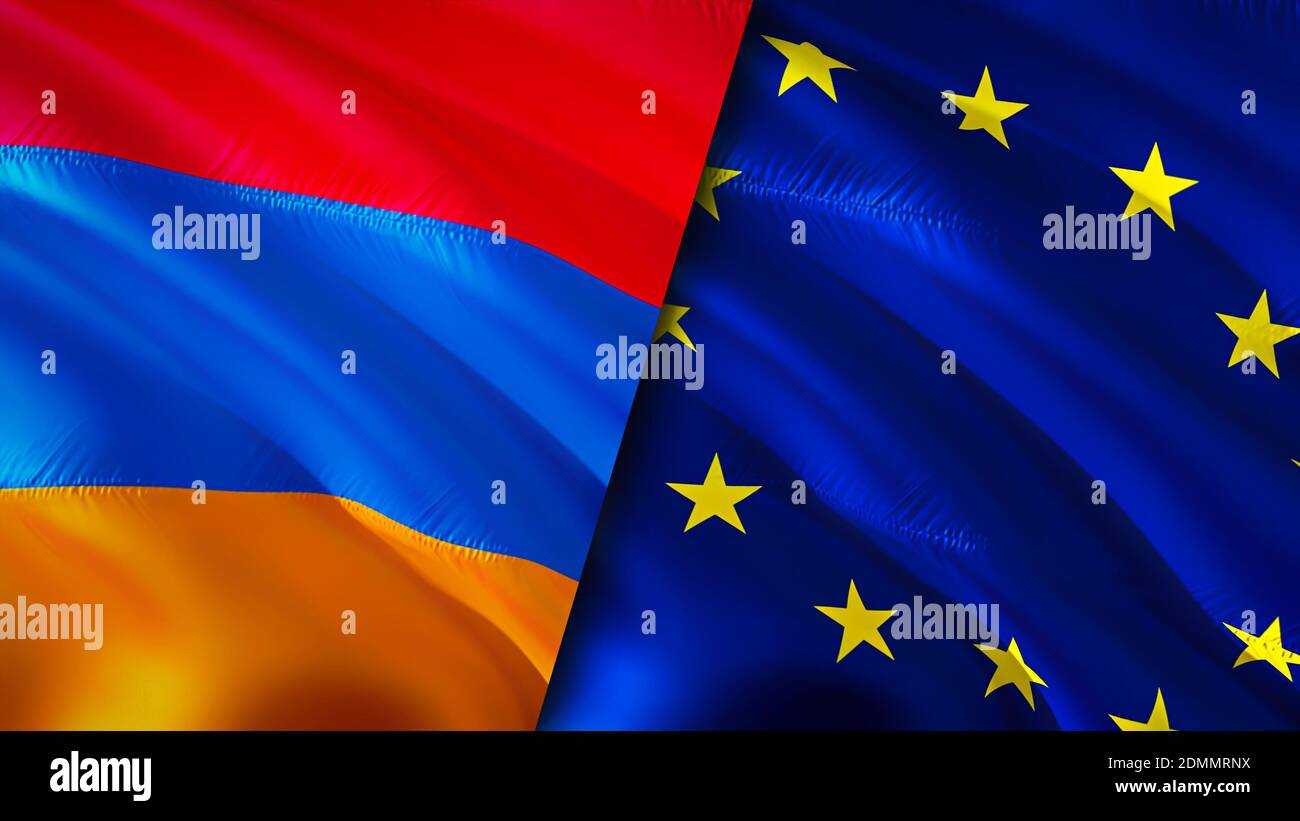
This security deficit is the primary driver behind Nikol Pashinyan’s EU ties. By seeking closer cooperation with Brussels, Armenia is looking for more than just trade; it is looking for political legitimacy and a different kind of international support. The EU-Armenia Comprehensive and Enhanced Partnership Agreement (CEPA) serves as the cornerstone of this new direction, providing a framework for political dialogue, economic cooperation and regulatory alignment that differs significantly from the Moscow-centric models.
From a strategic standpoint, Pashinyan is attempting to insulate his country from the volatility of Russian foreign policy. By building bridges with the West, he hopes to create a “safety net” of international scrutiny and support. Yet, in the eyes of the Kremlin, this is not diversification—it is a betrayal of the security architecture that has governed the region since the fall of the Soviet Union.
The Economic Tug-of-War: EAEU vs. European Integration
As a business editor, I find the economic dimension of this conflict to be perhaps the most critical. The tension is not just about tanks and treaties; it is about tariffs, standards, and market access. Armenia is currently a member of the Eurasian Economic Union (EAEU), a customs union designed to create a single market among its members, including Russia, Belarus, Kazakhstan, Kyrgyzstan, and Tajikistan. The EAEU is built on deep regulatory integration and a common external tariff.

The fundamental problem is that the requirements for EAEU membership and the requirements for EU integration are, in many ways, mutually exclusive. The EU’s economic model requires strict adherence to high regulatory standards, competition laws, and transparency measures that often clash with the more centralized, state-driven economic structures found within the EAEU. This is why the Kremlin has suggested that it is “impossible to reconcile the two.”
The threats of suspension from the EAEU are not empty. For Armenia, the economic consequences of leaving the EAEU would be massive. Russia remains one of Armenia’s largest trading partners and a primary source of energy and remittances. A sudden decoupling could lead to:
- Trade Volatility: The loss of preferential access to the vast Russian and Central Asian markets.
- Energy Insecurity: Increased vulnerability regarding gas supplies and electricity transit.
- Currency Instability: Heightened pressure on the Armenian Dram due to shifts in trade flows and capital movement.
Conversely, the EU offers a path toward modernization. Integration with European supply chains and the adoption of EU standards could transform Armenia’s burgeoning tech sector and agricultural exports. However, this transition is a long-term play that requires significant structural reform, whereas the economic ties to Russia are immediate and deeply embedded in the current Armenian economy.
Putin’s Ultimatum: The Myth of Diversification?
President Vladimir Putin’s recent rhetoric has moved from mere disapproval to an explicit ultimatum. By framing the situation as a choice between Russia and the EU, Moscow is attempting to strip away the nuance of Pashinyan’s “middle path.” The Kremlin’s stance is clear: Armenia cannot enjoy the benefits of the Russian security and economic sphere while simultaneously building a political and regulatory alignment with the West.
There have been increasing calls from pro-Russian factions and certain institutional voices within the EAEU for Yerevan to hold a popular referendum. The logic presented is that the Armenian people, rather than the government, should decide the nation’s ultimate direction. While this may sound democratic on the surface, in the context of Russia-Armenia relations, it is widely viewed by analysts as a tool of political pressure designed to force a decisive break from the West.
For the Kremlin, the “diversification” strategy is viewed as a zero-sum game. In the current geopolitical climate—exacerbated by the ongoing conflict in Ukraine—Moscow is increasingly intolerant of “neutral” actors in its near abroad. Every step Armenia takes toward Brussels is viewed as a step toward NATO and the broader Western security architecture, which the Kremlin considers a direct threat to its sphere of influence.
The Geopolitical Fallout: A Region in Flux
The standoff in Armenia has implications that extend far beyond its borders. The South Caucasus stability is inextricably linked to the decisions made in Yerevan. If Armenia is forced to choose, the outcome will signal the future of regional power dynamics. A decisive pivot to the West could embolden other post-Soviet states to seek similar paths, potentially leading to a wider fragmentation of Russian influence in the region.
if Armenia is compelled to retreat into the Russian orbit, it may signal the end of the “multi-vector” foreign policy that has characterized many small states navigating the space between great powers. This would likely lead to further centralization of power in Moscow and a continued decline in the autonomy of regional players.
The international community is watching closely. The United States and various European powers have expressed support for Armenia’s sovereignty and its right to choose its own alliances. However, the practical reality is that Western support, while diplomatically significant, has yet to provide a tangible security alternative that can match the immediate, albeit problematic, presence of Russian military and economic weight.
Key Takeaways: Armenia’s Strategic Dilemma
- The Security Gap: Armenia’s dissatisfaction with the CSTO has fueled its desire for Western security partnerships.
- Economic Incompatibility: The regulatory requirements of the EU and the EAEU are fundamentally at odds, making true “diversification” difficult.
- Moscow’s Ultimatum: Russia is moving away from tolerance of a “middle path,” demanding a definitive choice between its orbit and the West.
- High Stakes: For Armenia, the choice involves balancing immediate economic survival against long-term democratic and institutional modernization.
Looking Ahead: The Path for Yerevan
As we move into the coming months, the focus will shift to how the Pashinyan administration manages the immediate fallout of its Western overtures. We expect to see more intensive diplomatic dialogues between Yerevan and Brussels as they attempt to deepen the CEPA framework. Simultaneously, the economic indicators in Armenia—specifically trade volumes with Russia and energy price negotiations—will serve as a real-time barometer of the pressure being applied by the Kremlin.
The next critical checkpoint will be the upcoming regional security summits and any formal communications regarding Armenia’s status within the EAEU. Whether Yerevan can successfully navigate this “impossible choice” or if it will be forced into a corner remains the defining question of the South Caucasus in 2025.
What do you think about Armenia’s attempt to balance these two powers? Is “diversification” a viable strategy for small nations in today’s polarized world? Let us know your thoughts in the comments below and share this article with your network.