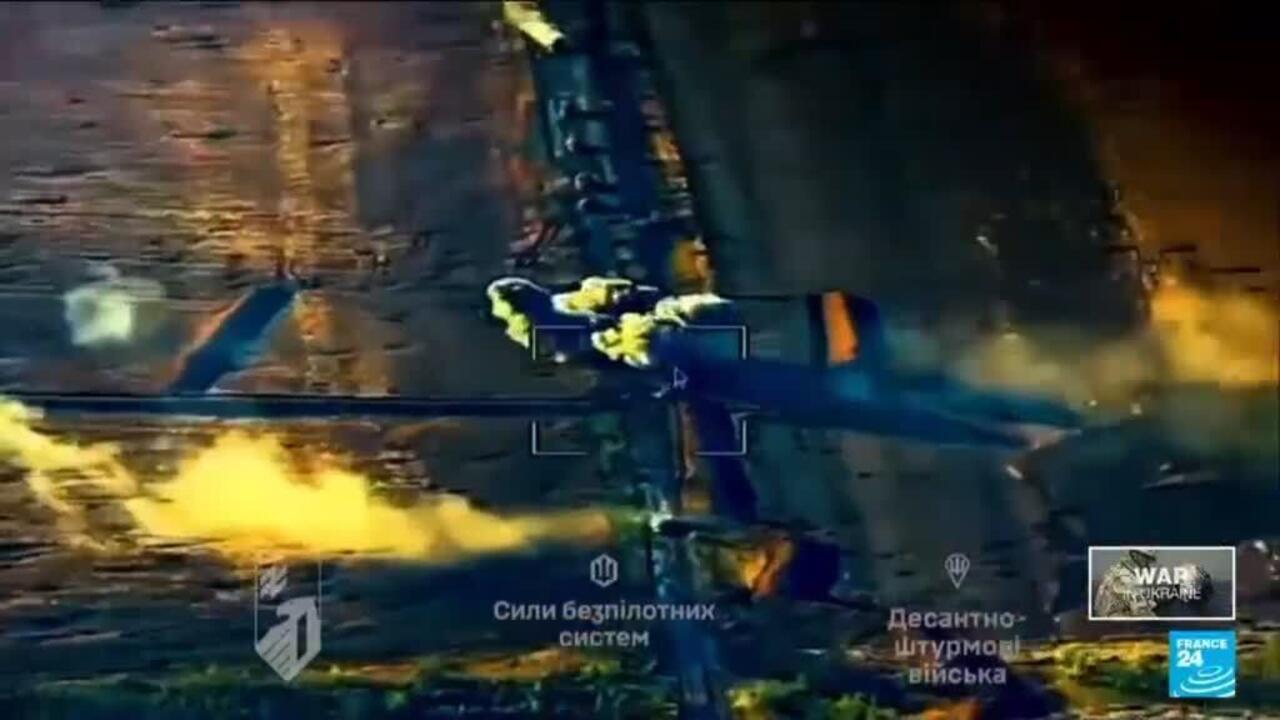
The Shifting Sands of War: Understanding Russia‘s Control in Ukraine and Evolving Strategies
The conflict in Ukraine, now stretching beyond three years since the full-scale Russian invasion, remains a pivotal geopolitical event. Recent developments, including fluctuating signals regarding potential arms supplies from the United States, highlight the complex and frequently enough unpredictable nature of the situation. But what exactly is the current state of play on the ground? How much territory does Russia currently control, and what strategic shifts are shaping the battlefield? this article delves into these critical questions, providing a complete overview of the ongoing war in Ukraine.
The Current Territorial Landscape: A Divided Ukraine
Currently, Russia maintains control over approximately 18% of Ukraine’s internationally recognized territory. This includes the entirety of Crimea, which Russia illegally annexed in 2014, and meaningful portions of the Donetsk, Luhansk, Zaporizhzhia, and Kherson regions. Understanding the specifics requires acknowledging the dynamic nature of the front lines.
* Crimea: Remains firmly under Russian control, serving as a crucial strategic hub for its Black Sea Fleet.
* Donetsk & Luhansk (Donbas): russia claims to have annexed these regions, though full control remains contested. Fighting is especially intense here, with Russia focusing on consolidating its grip.
* Zaporizhzhia & Kherson: These southern regions have seen significant fighting, with Ukraine launching counteroffensives to reclaim territory. Russia controls key infrastructure, including the zaporizhzhia Nuclear Power Plant, raising serious safety concerns.
* Ongoing Battles: Intense clashes continue along the eastern and southern fronts, with both sides attempting to gain incremental advantages.
Recent reports from the Institute for the Study of War (as of October 26, 2023) indicate a stabilization of the front lines, with neither side making substantial territorial gains in recent weeks. Though, this doesn’t equate to a stalemate; positional warfare and artillery duels remain constant.
Russia’s Evolving Military Strategy: From Blitzkrieg to Attrition
Initially, Russia’s strategy appeared to be a swift, multi-pronged offensive aimed at capturing Kyiv and toppling the Ukrainian government. This “blitzkrieg” approach quickly faltered in the face of fierce Ukrainian resistance and logistical challenges. Since then, Russia has shifted to a more attritional strategy, focusing on:
* Consolidation of Occupied territories: Strengthening defenses and integrating occupied regions into Russia.
* Degradation of Ukrainian military Capabilities: Targeting Ukraine’s infrastructure, including energy facilities, and attempting to deplete its ammunition reserves.
* Exploiting Western Divisions: Seeking to sow discord among Ukraine’s allies and undermine support for continued aid.
* Defensive Operations: Establishing fortified defensive lines to prevent further Ukrainian advances.
This shift is evident in Russia’s increased reliance on artillery and missile strikes, as well as its focus on building extensive defensive fortifications. Furthermore,the recent emphasis on bolstering domestic arms production suggests a long-term commitment to a protracted conflict. The Kremlin’s recent rhetoric also points towards a strategy of exhausting Western resolve and forcing Ukraine into unfavorable negotiations.
The Impact of Western Aid and Potential Shifts in US Policy
Western military and financial aid has been crucial in enabling Ukraine to resist the Russian invasion. Though, the future of this aid is uncertain, particularly in light of recent political developments in the United States.
The potential withholding of long-range missiles, as recently discussed, could significantly impact Ukraine’s ability to strike Russian military targets and disrupt supply lines. This highlights the critical importance of sustained and predictable Western support. A reduction in aid could embolden Russia and potentially lead to further territorial gains. Conversely, continued and increased assistance will empower Ukraine to defend its sovereignty and potentially launch further counteroffensives.
Understanding the nuances of military assistance to Ukraine, long-range artillery systems, and Western security aid is vital to grasping the conflict’s trajectory.
What Does the Future hold? Scenarios and Potential Outcomes
Predicting the future of the war in Ukraine