How Long Has the Russia-Ukraine War Lasted? Comparing the Conflict to World War I
The conflict between Russia and Ukraine has lasted ten years, exceeding the four-year duration of World War I when accounting for the initial outbreak of hostilities in 2014. While the full-scale Russian invasion began on February 24, 2022, the broader war involving the annexation of Crimea and the insurgency in the Donbas region has fundamentally reshaped European security and global geopolitics.
To understand the current duration of the conflict, analysts distinguish between the localized war in eastern Ukraine that began in 2014 and the full-scale invasion launched by the Kremlin in 2022. As of May 2024, the total period of active hostility between the two nations has surpassed the 1,500 days of the First World War, which lasted from July 1914 to November 1918.
How long has the Russia-Ukraine war lasted?
The timeline of the Russia-Ukraine war is divided into two distinct phases: the hybrid warfare phase starting in 2014 and the high-intensity conventional war starting in 2022. According to historical records from the BBC, the conflict escalated significantly in February 2014 following the Maidan Revolution in Kyiv, which led to the Russian annexation of Crimea and the subsequent outbreak of fighting in the Donetsk and Luhansk regions of eastern Ukraine.
For eight years, the war in the Donbas remained a localized but deadly conflict characterized by trench warfare and sporadic artillery exchanges. This period saw the signing of the Minsk I and Minsk II agreements, which were intended to establish a ceasefire and a political roadmap for the region, though both failed to bring lasting peace. The conflict transitioned into a global security crisis on February 24, 2022, when Russian forces launched a massive, multi-pronged invasion of Ukraine, targeting major cities including Kyiv, Kharkiv, and Mariupol.
While the 2022 invasion has been the most destructive phase, the total duration of the conflict—measured from the first military incursions in 2014—has now entered its tenth year. This longevity has transformed the war into a protracted struggle of attrition, testing the industrial capacity and political will of both Ukraine and its Western allies.
How does the Ukraine conflict compare to World War I?
Comparing the current conflict to World War I provides a framework for understanding the scale and persistence of the fighting. World War I, often referred to as the “Great War,” lasted approximately four years and three months. In contrast, the combined timeline of the Russia-Ukraine conflict has already reached a decade of continuous or near-continuous hostilities.

The following table compares the key temporal and structural aspects of both conflicts:
| Feature | World War I | Russia-Ukraine Conflict |
|---|---|---|
| Primary Duration | July 1914 – November 1918 (~4.3 years) | 2014 – Present (10+ years) |
| Nature of Warfare | Trench warfare, chemical weapons, early tanks | Drone warfare, precision missiles, cyberattacks |
| Geopolitical Scope | Global (multi-continental) | Regional/Global (impacts energy and food security) |
| Key Turning Points | Entry of the U.S., Russian Revolution | 2022 Full-scale invasion, NATO expansion |
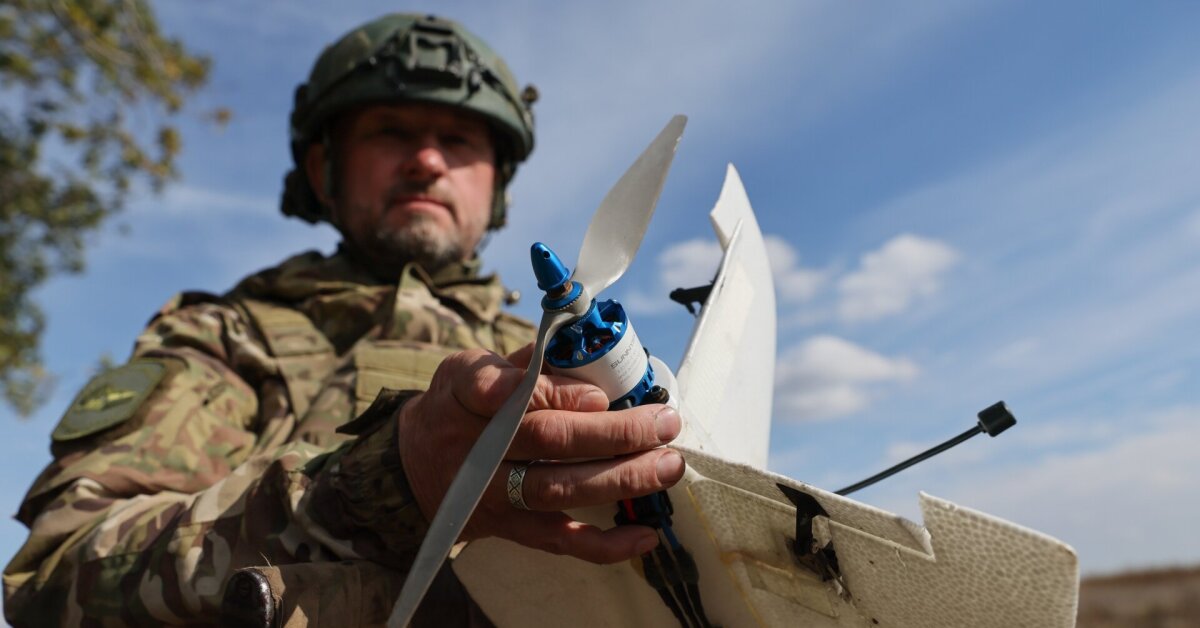
While the total duration of the Ukraine conflict exceeds that of World War I, the nature of the combat differs significantly. World War I was defined by massive mobilization and static trench lines across much of Europe. The current war in Ukraine, while featuring significant frontline stabilization in certain sectors, is characterized by high-technology warfare, including the widespread use of Unmanned Aerial Vehicles (UAVs) and satellite intelligence, which allows for real-time battlefield monitoring.
Furthermore, the geopolitical consequences of the Ukraine conflict have triggered shifts similar to the post-WWI era, including the expansion of NATO with the accession of Finland and Sweden, and a fundamental realignment of European energy dependencies. Unlike the centralized imperial powers of 1914, the current conflict involves a complex web of international sanctions, financial warfare, and multi-national military aid packages.
What are the humanitarian consequences of the prolonged war?
The decade-long conflict has resulted in a humanitarian crisis of unprecedented proportions in Europe since the end of the Second World War. The scale of displacement and civilian suffering has been documented extensively by international monitoring bodies. According to the UNHCR (United Nations High Commissioner for Refugees), millions of Ukrainians have been forcibly displaced, both internally and as refugees across the globe.
The humanitarian impact can be categorized into three primary areas:
- Mass Displacement: Millions of civilians fled Ukraine following the 2022 invasion, creating one of the largest refugee crises in modern history. Many remain in neighboring European countries, while others are internally displaced within Ukraine’s borders.
- Infrastructure Destruction: Systematic strikes on Ukraine’s energy grid and water systems have left millions without heating, electricity, or clean water, particularly during winter months.
- Casualties and Human Rights: International organizations, including the United Nations, have reported numerous instances of civilian casualties and potential war crimes in occupied territories, though full verification in active combat zones remains challenging.
The prolonged nature of the war has also created a “lost generation” effect, where years of disrupted education and psychological trauma from continuous shelling are affecting the developmental trajectory of Ukrainian youth. The economic cost of rebuilding the nation is estimated by the World Bank to reach hundreds of billions of dollars, a figure that continues to rise as the conflict extends.
How has the conflict changed global security since 2014?
The transition from the 2014 hybrid war to the 2022 full-scale invasion has forced a reassessment of global security architectures. For many years, the international community operated under the assumption that large-scale conventional warfare between major powers in Europe was a relic of the past. The persistence of the Russia-Ukraine war has dismantled this perception.
One of the most significant shifts has been the revitalization and expansion of the North Atlantic Treaty Organization (NATO). The conflict prompted traditionally neutral nations, such as Finland and Sweden, to seek membership, effectively doubling NATO’s border with Russia. This expansion represents a major strategic shift in the European security landscape that was not seen during the decades of relative stability following the Cold War.
Additionally, the war has highlighted the vulnerability of global supply chains. The disruption of Ukrainian grain exports and the subsequent sanctions on Russian energy markets have impacted food and fuel security far beyond the borders of Eastern Europe. This “weaponization of interdependence” has led many nations to pursue policies of “de-risking” and increasing domestic production of critical resources, such as semiconductors and renewable energy components.
The ongoing nature of the war also serves as a testing ground for modern military doctrine. The integration of commercial satellite data, AI-driven targeting, and low-cost drone technology into conventional military operations is providing a blueprint for future conflicts, influencing defense spending and procurement strategies in both democratic and autocratic nations alike.
The next significant checkpoint for the conflict will be the upcoming deliberations at the next scheduled NATO summit and the ongoing monitoring of international aid tranches from the European Union and the United States, which remain critical to Ukraine’s defensive capabilities.
What are your thoughts on the long-term impact of this conflict on global stability? Share your comments below and share this article to keep the conversation going.
Related reading