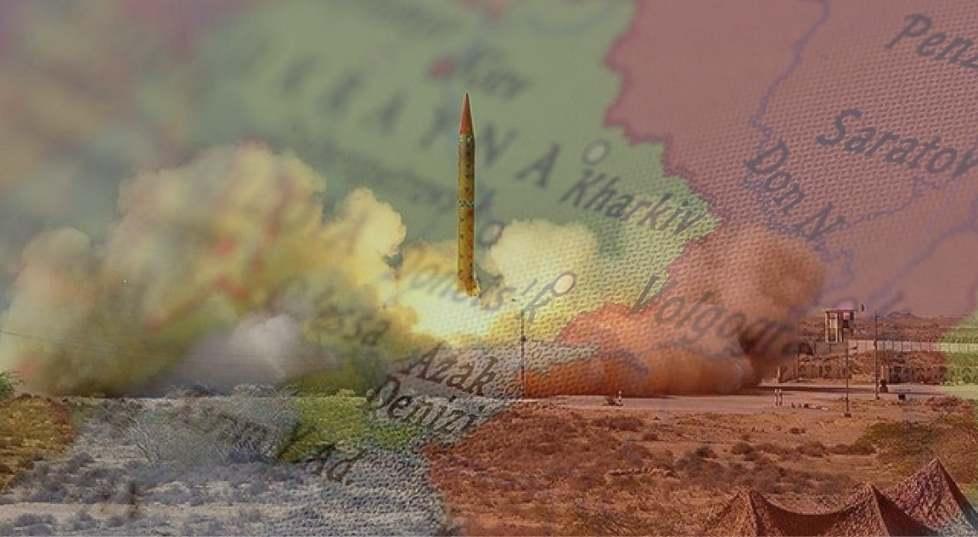
Moscow accused London and Paris on Tuesday of actively working to provide Kyiv with the means to develop nuclear weapons, a claim that has escalated tensions amid the ongoing conflict in Ukraine. The allegations, made by Russia’s Foreign Intelligence Service (SVR), suggest a potentially dangerous escalation of Western involvement in the war, raising concerns about the proliferation of nuclear technology and the risk of a wider conflict. The SVR further asserted that the UK and France are also considering the provision of a “dirty bomb” – a radiological weapon – to Ukraine.
The accusations come as the war in Ukraine enters its fifth year, a conflict that has dramatically reshaped the geopolitical landscape of Europe. What began with expectations of a swift Russian victory in February 2022 has evolved into a protracted and devastating war, becoming the largest armed conflict in Europe since World War II. The fighting continues to inflict immense suffering on both sides, with Ukrainian forces battling to hold the line against relentless attacks, while civilians face increasingly dire conditions, particularly during the harsh winter months, compounded by widespread aerial and missile strikes targeting critical infrastructure.
Russia Alleges UK and France Seeking to Arm Ukraine with Nuclear Capabilities
According to a statement released by the SVR, Britain and France believe that providing Ukraine with nuclear weapons would strengthen Kyiv’s negotiating position and allow it to secure more favorable terms for ending the hostilities. “It is believed that Ukraine needs to be supplied with a ‘wonder weapon.’ Kyiv will be able to claim more favorable terms for ending hostilities if it possesses an atomic bomb, or at least a so-called ‘dirty’ bomb,” the SVR stated. The agency claims London and Paris are currently working to resolve logistical issues related to the transfer of such weapons and their delivery systems. Specifically, the SVR alleges that discussions are underway regarding the potential transfer of the French compact TN75 warhead, designed for the M51.1 submarine-launched ballistic missile, to Ukraine.
The SVR emphasized that these alleged plans represent a gross violation of international law, particularly the Treaty on the Non-Proliferation of Nuclear Weapons (NPT). The NPT, established in 1968, aims to prevent the spread of nuclear weapons and promote cooperation in the peaceful uses of nuclear energy. The Russian intelligence service further alleges that Western nations are attempting to conceal their involvement, aiming to create the impression that any nuclear capabilities developed by Ukraine are the result of indigenous development. “The British and French are aware that their plans imply a gross violation of international law…and are associated with the risk of dismantling the global non-proliferation regime,” the SVR statement read.
International Response and Concerns
The allegations have prompted immediate concern and calls for clarification from international observers. While Western governments have not yet officially responded to the specific claims made by the SVR, the accusations are likely to fuel further distrust and exacerbate tensions between Russia and the West. Germany, however, was noted by the SVR as having “wisely refused to participate in this dangerous adventure.”
The potential for Ukraine to acquire nuclear weapons, even a limited radiological device, is a deeply concerning prospect. Experts warn that such a development could dramatically escalate the conflict, increasing the risk of a direct confrontation between Russia and NATO. The introduction of nuclear weapons into the conflict zone would also raise the specter of nuclear proliferation in the region, potentially destabilizing the security landscape for years to come. The International Atomic Energy Agency (IAEA) has consistently called for the protection of nuclear facilities in Ukraine, emphasizing the need to prevent any incidents that could lead to a nuclear accident or the diversion of nuclear materials. The IAEA has maintained a presence in Ukraine since the start of the conflict, working to provide technical assistance and support to ensure the safety and security of nuclear facilities.
The Threat of a “Dirty Bomb”
The SVR’s claim that the UK and France are considering providing Ukraine with a “dirty bomb” – a conventional explosive device laced with radioactive material – is particularly alarming. While not a nuclear weapon in the traditional sense, a dirty bomb could cause widespread panic and contamination, rendering areas uninhabitable and inflicting significant economic damage. The radiological dispersal device (RDD), as it is technically known, does not produce a nuclear explosion, but the spread of radioactive material could have devastating consequences for public health and the environment. Experts emphasize that the psychological impact of a dirty bomb attack could be as significant as the physical effects.
Background: The Russia-Ukraine Conflict and Nuclear Concerns
The current conflict between Russia and Ukraine has its roots in the complex geopolitical history of the region, including Ukraine’s post-Soviet independence and its aspirations to closer ties with the West. Russia’s annexation of Crimea in 2014 and its support for separatists in eastern Ukraine marked a significant escalation of tensions, leading to a protracted conflict that has claimed over 14,000 lives. The full-scale invasion launched in February 2022 represented a dramatic escalation, triggering a massive humanitarian crisis and prompting widespread international condemnation.
Throughout the conflict, concerns about nuclear safety have been paramount. Ukraine was the site of the Chernobyl disaster in 1986, the worst nuclear accident in history. The ongoing fighting has raised fears about the potential for damage to Ukraine’s nuclear power plants, including the Zaporizhzhia Nuclear Power Plant, which has been repeatedly shelled and has been under Russian control for extended periods. The IAEA has repeatedly called for the establishment of a safety zone around the Zaporizhzhia plant to prevent a potential nuclear catastrophe.
Casualty Estimates and the War’s Toll
Accurate casualty figures for the Russia-Ukraine war remain difficult to obtain, as both sides have been reluctant to release comprehensive data. However, estimates from organizations like the Strategic and International Studies Center (CSIS) suggest that the conflict has resulted in significant losses on both sides. CSIS estimates that at least 1.2 million Russian military personnel and 600,000 Ukrainian military personnel have been killed or wounded since the start of the war. The CSIS report further estimates that approximately 325,000 Russian soldiers and 140,000 Ukrainian soldiers have lost their lives. The war has also caused widespread displacement, with millions of Ukrainians fleeing their homes to seek refuge in neighboring countries.
Beyond the immediate human cost, the war has had a devastating impact on Ukraine’s economy and infrastructure. The World Bank estimates that Ukraine’s economy has contracted by over 30% since the start of the conflict, and the country faces a long and arduous road to recovery. The destruction of infrastructure, including schools, hospitals, and power plants, will require massive investment to rebuild.
As the conflict enters its fifth year, the situation remains highly volatile and unpredictable. The allegations made by the Russian Foreign Intelligence Service regarding the potential transfer of nuclear weapons to Ukraine represent a dangerous escalation of tensions and underscore the urgent need for diplomatic efforts to de-escalate the conflict and prevent a wider catastrophe. The international community must remain vigilant and perform together to ensure the safety and security of nuclear materials and to prevent the proliferation of nuclear weapons.
Further developments are expected as international bodies review the claims made by the SVR and as governments in London, Paris, and Kyiv respond to the allegations. World Today Journal will continue to monitor the situation closely and provide updates as they become available. We encourage readers to share their thoughts and perspectives on this critical issue in the comments section below.
Worth a look