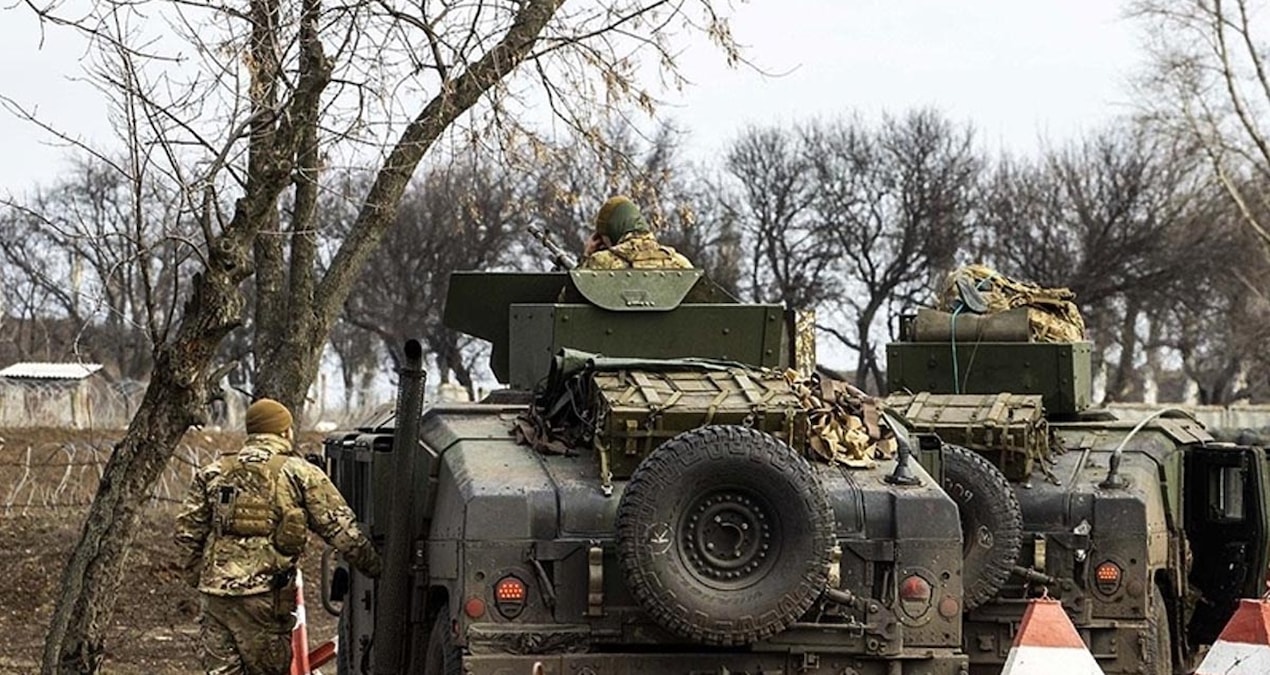
As the conflict in Ukraine enters a grueling phase of attrition, the frontline remains a fluid and dangerous map of shifting control. Recent reports from the Russian Ministry of Defense have claimed the capture of several small settlements across the eastern and northeastern sectors, a development that underscores the relentless pressure Moscow is exerting on Ukrainian defensive lines. As an observer of these developments from the perspective of international security, it is vital to distinguish between tactical gains in the gray zone and the broader, more complex reality of this protracted war.
The recent reports of Russia seizing additional territory in Ukraine, specifically involving small, largely depopulated border villages, highlight a strategy of incremental advancement. While the tactical significance of these individual settlements—often consisting of a few streets or ruined structures—may appear limited in a vacuum, they represent a persistent effort by Russian forces to stretch Ukrainian resources thin across an expansive front. This strategy of attrition is designed to force Kyiv to commit reserves to hold minor positions, thereby complicating their overall defensive posture.
For those of us tracking the geopolitical shifts in Eastern Europe, the focus has increasingly turned to the vulnerability of the Kharkiv and Sumy regions. Despite the volatility of these reports, the core concern remains the humanitarian impact on the civilian populations still trapped near the front lines. The Office of the United Nations High Commissioner for Human Rights continues to document the severe toll this ongoing violence takes on civilian infrastructure and the fundamental rights of those residing in contested areas.
The Tactical Reality of Incremental Gains
The recent claims regarding the capture of settlements in the Kharkiv and Zaporizhzhia regions should be viewed through the lens of current military doctrine. Russian forces have increasingly utilized heavy artillery and guided aerial bombs to soften defensive positions before deploying infantry to secure them. This method, while sluggish, allows for the gradual occupation of ground that has been rendered largely uninhabitable by constant bombardment. According to the Institute for the Study of War, these tactical adjustments are part of a broader effort to exhaust Ukrainian air defense systems and artillery stocks.
It is important to clarify that “control” in these contested regions is often transient. The “gray zones”—areas where neither side has a solidified, fortified presence—frequently change hands under the cover of darkness or as a result of localized skirmishes. The Russian Ministry of Defense’s announcements of territorial gains are frequently used as a tool for domestic morale, though they often omit the high cost in terms of personnel and equipment required to seize these minor outposts. Ukraine, conversely, maintains a policy of operational silence regarding specific losses, preferring to report on the broader defensive successes and the neutralization of incoming threats.
Strategic Focus: Sumy and Kharkiv
The interest in the Sumy and Kharkiv oblasts is not accidental. These regions border Russia, providing Moscow with an opportunity to create a “buffer zone” that complicates Ukrainian logistical efforts. By pushing into these areas, Russian command aims to force Kyiv to divert artillery and personnel away from the intense fighting in the Donbas region. Here’s a classic diversionary tactic intended to destabilize the Ukrainian defense by preventing them from concentrating their forces where they are most needed.
However, the capacity for either side to achieve a decisive breakthrough remains limited. The conflict has evolved into a war of industrial capacity and technological adaptation. As noted by the North Atlantic Treaty Organization (NATO), the ability to maintain supply lines and sustain the modernization of equipment is the primary factor determining the long-term viability of the front. The struggle for these smaller settlements is, a struggle for the logistical initiative.
Key Takeaways on the Current Frontline
- Incremental Advancement: Russian forces continue to prioritize the capture of small, strategic border settlements to stretch Ukrainian defenses.
- Humanitarian Impact: The escalation in the Kharkiv and Sumy sectors continues to displace civilians and destroy essential infrastructure.
- Strategic Diversion: Moscow’s push in the north is largely intended to draw Ukrainian reinforcements away from the critical Donbas front.
- Operational Uncertainty: Claims of territorial gains are often difficult to verify independently due to the high-risk nature of the terrain and the fluidity of the front.
What Happens Next?
Looking ahead, the situation on the ground is expected to remain highly volatile. The primary checkpoint for international observers will be the upcoming developments in military aid packages and the ability of the Ukrainian Armed Forces to rotate units out of high-intensity zones. The United States Department of Defense frequently updates its security assistance packages, which serve as a bellwether for the level of support Kyiv can expect to maintain its current defensive trajectory.
As we continue to monitor these developments, it is essential to look beyond the headlines of individual village captures and consider the long-term implications for the regional security architecture. The resilience of the Ukrainian defense and the evolving nature of the Russian offensive suggest that this conflict will not be decided by the control of single settlements, but by the sustained endurance of both nations.
We invite you to share your perspectives on these developments in the comments section below. How do you assess the current strategic shifts in the region? Your engagement helps foster a deeper understanding of these complex global issues. For further updates on the situation in Ukraine, please follow our ongoing coverage as we continue to track official reports and analysis from the field.
Keep reading