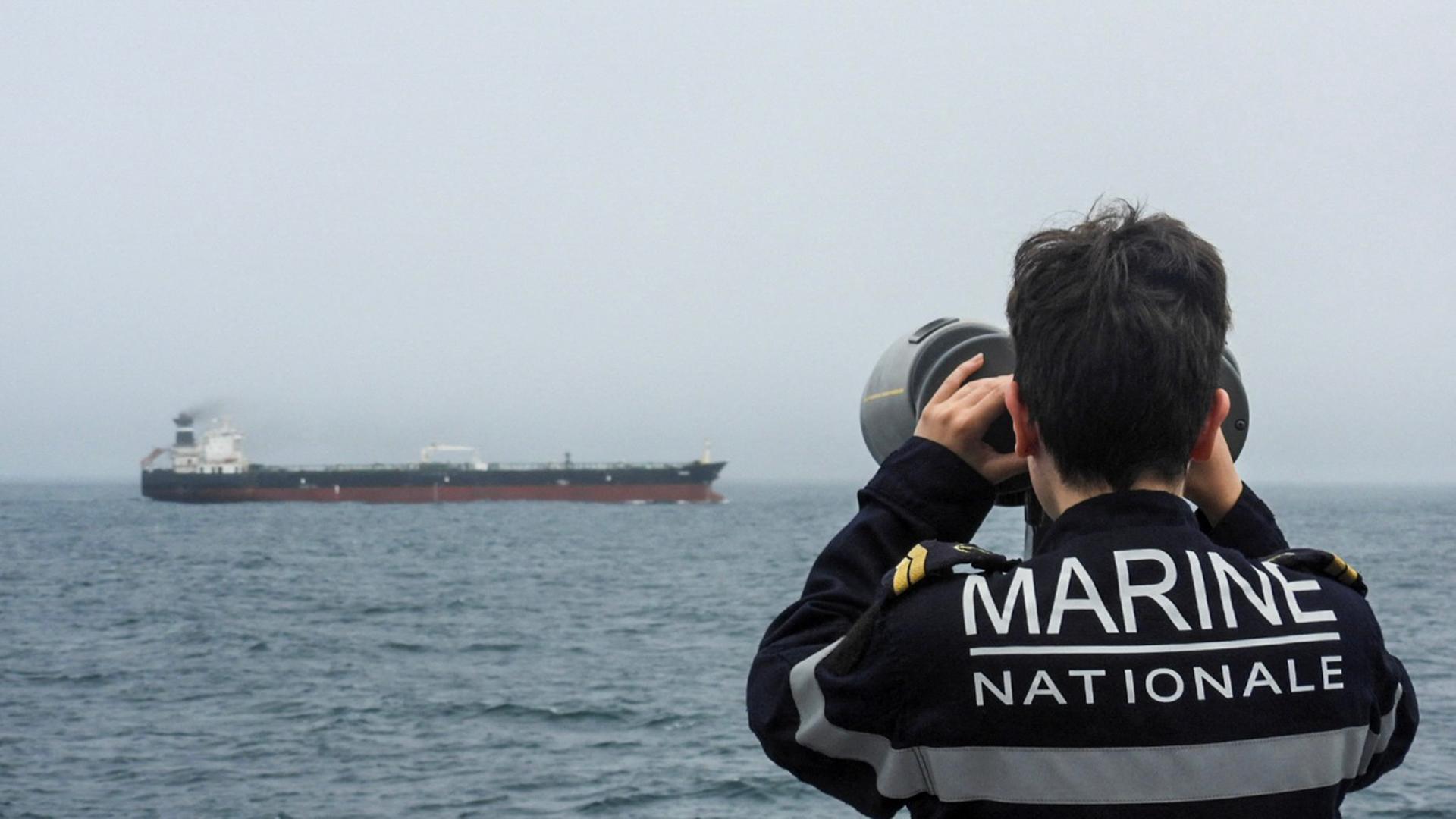
The French Navy has intercepted and inspected an oil tanker in the Atlantic Ocean, marking a significant escalation in efforts to enforce international sanctions against Russia. French officials identified the vessel as part of a clandestine maritime network—often referred to as the “shadow fleet”—utilized to circumvent established export restrictions. The intervention, which took place in early June 2026, underscores the growing determination of Western nations to disrupt the logistical channels that support Russia’s ongoing military operations in Ukraine.
According to French Defense Minister Geneviève Darrieussecq (acting in the capacity of the current administration), the operation was carried out to ensure compliance with international maritime and trade regulations. The use of vessels sailing under foreign flags to mask the origin of oil shipments has become a focal point for Western intelligence and naval forces. By targeting these ships, allied nations aim to tighten the economic pressure on Moscow, effectively limiting the revenue streams that sustain the conflict. The French Ministry of the Armed Forces maintains that such enforcement actions are vital for upholding the integrity of the global sanctions regime.
The Shadow Fleet: A Challenge to Global Sanctions
The concept of a “shadow fleet” refers to a vast network of aging tankers, often operating with opaque ownership structures and falsified documentation, specifically designed to bypass the European Union and G7 sanctions imposed on Russian energy exports. These ships frequently disable their Automatic Identification Systems (AIS) to avoid tracking, making them difficult to monitor in international waters. French authorities have indicated that the fleet may comprise up to 1,000 vessels, posing not only an economic challenge but also significant environmental and maritime safety risks due to the poor condition of many of these ships.
The geopolitical implications of these interceptions are profound. By stopping these tankers, France and its European partners are signaling that the high seas will not serve as a safe haven for sanctions evasion. French President Emmanuel Macron addressed the matter on the social media platform X (formerly Twitter), emphasizing that the financing of the war against Ukraine through such illicit trade is considered “unacceptable” by the international community. This stance reflects a broader consensus among NATO and EU members that the economic isolation of the Russian defense industry is a strategic necessity.
Operational Oversight and Legal Frameworks
The interception in the Atlantic is not an isolated incident but part of a coordinated strategy by Western naval forces to monitor illicit maritime traffic. Under the United Nations Convention on the Law of the Sea (UNCLOS), nations have specific rights to inspect vessels under certain conditions, particularly when there is suspicion of activities that violate international peace and security mandates. The French Navy’s intervention serves as a practical application of these legal principles in the context of the current European security crisis.
For the shipping industry, these events serve as a stark warning. Insurance companies, ports and maritime regulators are increasingly under pressure to verify the provenance of oil cargoes. The risk of being caught in a sanctions-enforcement operation is driving many legitimate operators to distance themselves from entities associated with the shadow fleet. As the conflict in Ukraine continues, it is expected that naval patrols in the Atlantic, the Mediterranean, and the Baltic Sea will remain highly vigilant, with further inspections likely as intelligence agencies refine their ability to track these vessels.
Key Takeaways on Maritime Sanctions Enforcement
- Sanctions Evasion: The shadow fleet utilizes foreign flags and deactivated tracking systems to conceal the origin of Russian oil.
- Strategic Impact: Interdictions aim to starve the Russian defense budget by restricting energy revenues.
- International Coordination: France is operating in alignment with broader Western efforts to enforce sanctions, supported by information-sharing between allied intelligence agencies.
- Maritime Safety: The use of older, poorly maintained vessels within the shadow fleet poses a constant threat of oil spills and maritime accidents in international shipping lanes.
As of June 1, 2026, no further details regarding the specific cargo or the ultimate destination of the intercepted vessel have been released, though the vessel remains under review by French authorities. The international community is expected to receive updates through official government briefings as investigations into the ship’s registry and ownership continue. Readers interested in the technical aspects of maritime law and the ongoing efforts to enforce international sanctions are encouraged to monitor official European Parliamentary updates for further policy developments.
We invite our readers to join the conversation regarding the effectiveness of these maritime measures. Do these interceptions represent a turning point in the economic war, or is the shadow fleet too large to be neutralized by naval patrols alone? Please share your insights and analysis in the comments section below.