Russia Raises VAT to 22%: What Businesses and Consumers Need to Know
President Putin recently signed into law a critically important overhaul of Russia’s tax system, increasing the value-added tax (VAT) from 20% to 22% effective next year.This move is primarily designed to bolster government revenue amidst increased military spending and declining income from oil and gas exports,exacerbated by western sanctions. But what does this mean for you, whether you’re a business owner or a consumer in Russia? Here’s a detailed breakdown.
Why the VAT Increase?
Russia’s financial situation necessitates this change. The government faces a widening fiscal gap due to several converging factors. specifically, escalating military expenditures and reduced revenue streams from key energy exports are putting pressure on the national budget. VAT is a crucial source of income for the government, generating 11.5 trillion rubles (approximately $148 billion) between january and October – representing over 38% of total federal revenue.
How Will this Impact Businesses?
The tax changes extend beyond just the rate hike. Several adjustments will directly affect how businesses operate.
* Lower VAT Threshold: The annual revenue threshold for companies required to pay VAT is being lowered considerably. It’s dropping from 60 million rubles (around $732,000) to just 10 million rubles (approximately $122,000). This means a much larger number of small businesses will now be obligated to collect and remit VAT.
* Price Increases Anticipated: Surveys indicate that many Russian firms plan to pass the increased tax burden directly onto consumers. This is a direct response to protect their profit margins.
* Inflationary Pressure: Economists, including those within the Financial Ministry, predict a modest rise in inflation as the VAT increase takes effect.This could further strain household budgets.
What Changes for Consumers?
you will likely see the impact of the VAT increase in the form of higher prices for many goods and services. However, some essential items will remain at a reduced rate.
* Essential Goods Protected: Select food products, medicines, and children’s goods will continue to be taxed at the lower rate of 10%.
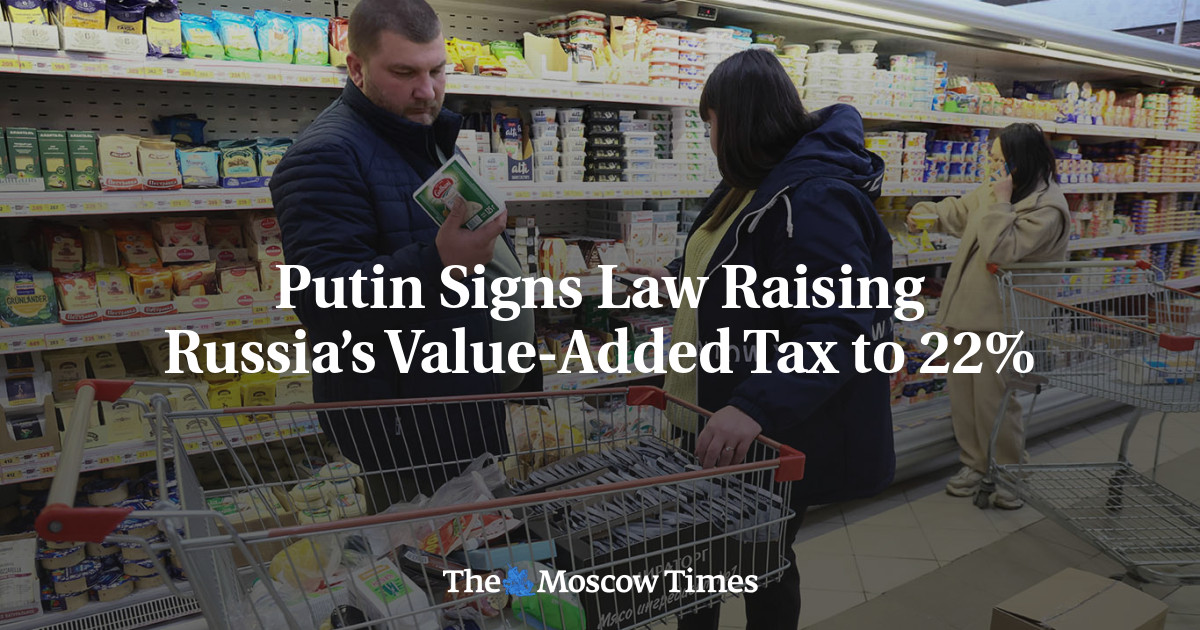
* Changes to Dairy Products: Notably, certain milk-based products containing milk-fat substitutes – like processed cheeses and spreads – will now be subject to the full 22% VAT rate. This means you can expect to pay more for these specific items.
* Increased cost of Living: the VAT hike contributes to an already rising cost of living,impacting your purchasing power.
Ancient Context: Russia’s VAT Adjustments
This isn’t the first time Russia has adjusted its VAT rate. The last increase occurred in 2019, when the rate was raised from 18% to 20%. This latest increase signals a continued effort to adapt to evolving economic challenges.
Looking Ahead
The VAT increase is a significant growth with far-reaching implications for the Russian economy. Businesses need to prepare for the changes to the VAT threshold and potential impacts on their pricing strategies. Consumers should anticipate higher prices for certain goods and services. Staying informed about these changes is crucial for navigating the evolving economic landscape in Russia.
Worth a look