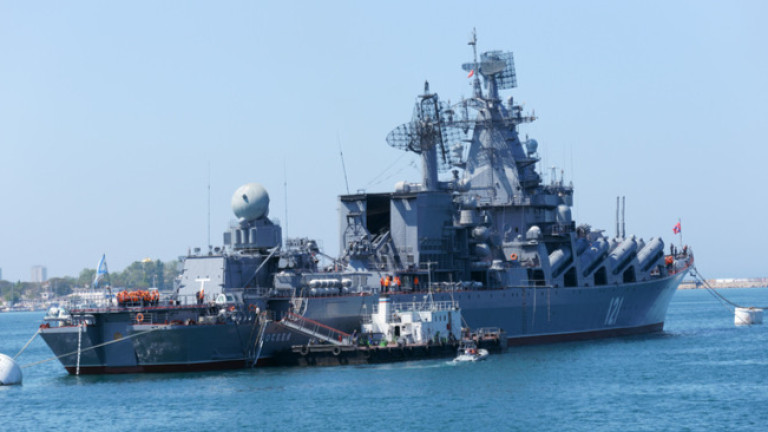
The Russian Black Sea Fleet command has significantly relocated its core operations away from Sevastopol, Crimea, following a sustained campaign of Ukrainian maritime strikes. According to reports from the Ukrainian Ministry of Defence, these strategic shifts follow the loss of multiple vessels, including the flagship cruiser Moskva and several landing ships, which have rendered the historical naval hub increasingly vulnerable to long-range missiles and naval drones.
This tactical withdrawal marks a significant shift in the maritime security landscape of the Black Sea. Since the start of the full-scale invasion in February 2022, Ukrainian forces have successfully neutralized approximately one-third of the Russian Black Sea Fleet’s active combat capacity, according to official statements from the United Kingdom Ministry of Defence. The relocation of command structures to more secure, eastern positions—such as Novorossiysk—reflects an effort to preserve remaining assets from persistent asymmetric warfare.
Strategic Drivers Behind the Relocation
The decision to move command functions is primarily a response to the effectiveness of Ukraine’s “mosquito fleet” tactics and the deployment of Western-supplied cruise missiles. By utilizing a combination of domestically produced maritime drones and long-range weapons like the Storm Shadow, Ukrainian forces have turned the Crimean peninsula into a high-risk zone for the Russian Navy.
According to assessments by the Institute for the Study of War, the Russian military has been forced to disperse its fleet to prevent further mass-casualty events and the destruction of high-value platforms. The vulnerability of the Sevastopol dry docks and logistical hubs was underscored by a series of precise strikes throughout 2023, which targeted both infrastructure and docked vessels, forcing the Kremlin to reconsider its reliance on Crimean ports.
The Impact on Black Sea Control
For the Russian Federation, the Black Sea Fleet has historically served as a primary instrument of power projection in the Mediterranean and a means to enforce a blockade on Ukrainian grain exports. However, the forced relocation of the command structure has created a vacuum in the western Black Sea. This shift has facilitated the creation of a temporary maritime corridor, allowing Ukraine to continue grain shipments despite the ongoing conflict, as reported by Reuters.
The loss of tactical control in the western sector of the sea represents a departure from the initial objectives of the Russian naval campaign. While the Russian Navy maintains the ability to launch Kalibr cruise missiles from positions further east, the inability to safely station its command and control apparatus in Sevastopol fundamentally alters the strategic calculus of the conflict. The fleet’s transition from an offensive, forward-deployed force to a defensive one highlights the success of asymmetric defensive measures.
Future Operational Outlook
The long-term viability of the Russian naval presence in Crimea remains uncertain as long as Ukraine continues to receive intelligence and weapons systems capable of reaching deep into the peninsula. Military analysts suggest that the fleet will likely continue to prioritize the protection of its remaining vessels over the maintenance of its historical regional dominance.

The next major developments in this maritime theater will likely hinge on the continued availability of long-range precision weapons and the development of more sophisticated autonomous naval systems. As of the latest updates from the Ministry of Defence of Ukraine, operations targeting Russian logistical support in occupied territories remain an active priority. Readers can track ongoing developments through official briefings provided by the Ukrainian General Staff or through international monitoring organizations like the Black Sea Institute of Strategic Studies.
We invite our readers to share their analysis or questions regarding the evolving maritime situation in the Black Sea in the comments section below.
Keep reading