The Escalating Attacks on Russian Military Officials: A Deep Dive into Targeted Violence
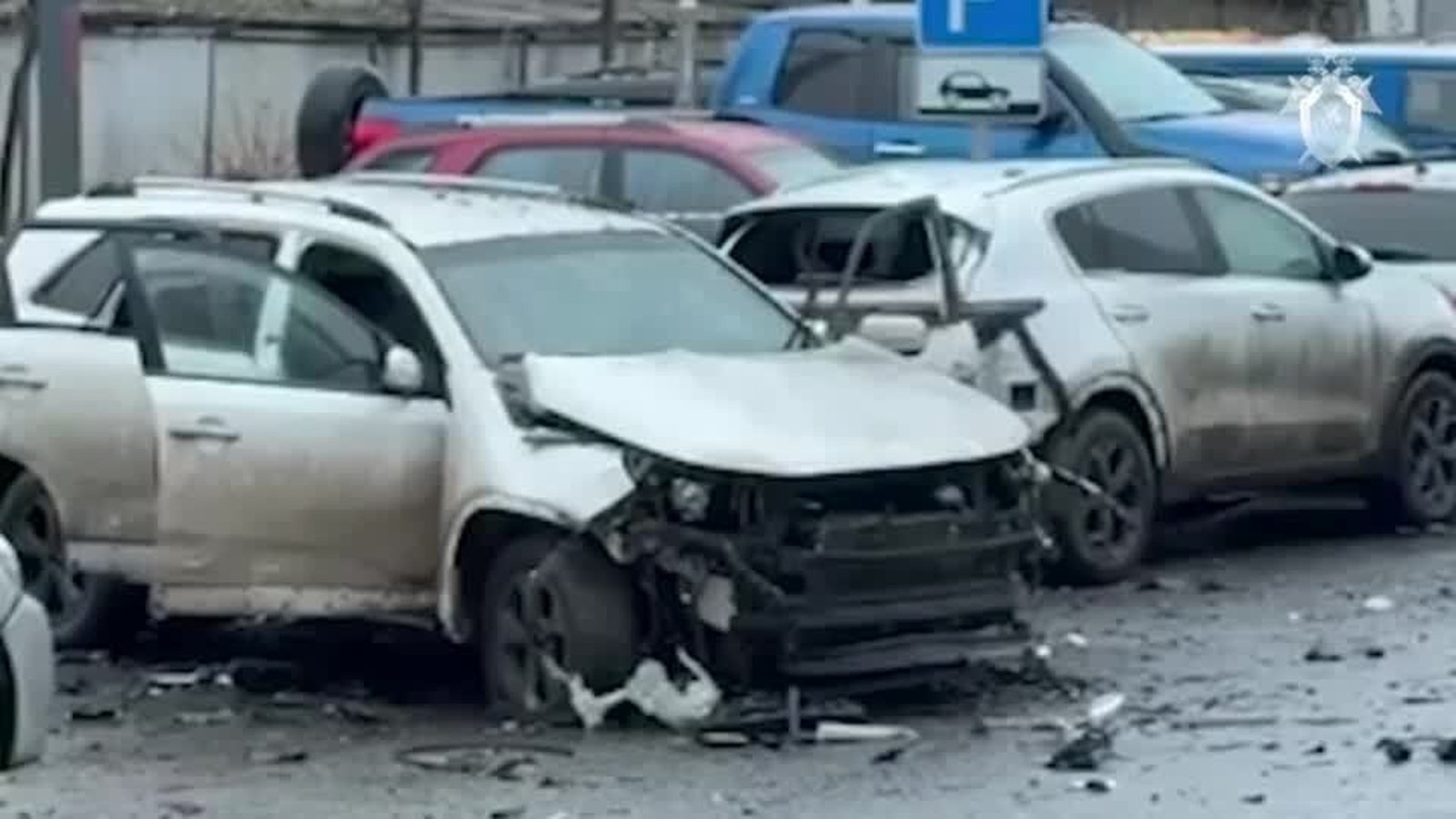
The recent death of Lieutenant General Fanil Sarvarov, head of the training department within the Russian General Staff, marks the latest in a concerning trend: the targeted killing of high-ranking Russian military officials and pro-kremlin figures. This incident, occurring in southern Moscow due to an explosive device detonated under his vehicle, isn’t an isolated event. It’s part of a pattern of violence that has escalated since Russia’s full-scale invasion of Ukraine in February 2022, raising critical questions about security vulnerabilities within Russia and the evolving nature of the conflict. Understanding the context, methods, and potential implications of these attacks is crucial for assessing the broader geopolitical landscape. This article provides an in-depth analysis of these incidents, exploring the suspected perpetrators, the tactics employed, and the potential ramifications for the ongoing war in Ukraine.
A Pattern of Targeted Violence: Key Incidents & Analysis
The killing of General Sarvarov follows a series of similar attacks, each demonstrating increasing sophistication and boldness. Here’s a chronological overview of significant incidents:
* August 2022: Daria Dugina. The car bombing that killed Daria Dugina, daughter of prominent ultranationalist ideologue Alexander Dugin, was one of the first high-profile attacks.While initially attributed to a Ukrainian nationalist group, the incident highlighted the potential for targeting individuals closely associated with the Kremlin’s war effort.
* April 2023: Maxim Fomin. The death of Russian military blogger Maxim fomin, killed by an exploding statuette in a Saint Petersburg cafe, showcased a novel and unsettling method of assassination. This incident demonstrated an ability to penetrate seemingly secure locations and utilize unconventional delivery methods.
* April 2024: General Yaroslav Moskalik. A car blast near Moscow claimed the life of General Yaroslav Moskalik, a deputy of the General Staff. This attack mirrored the Sarvarov incident, suggesting a consistent tactic of targeting high-ranking officials with vehicle-borne explosives.
* December 2024: Igor kirillov. The death of Igor kirillov,head of the Russian radiological,chemical and biological defense forces,due to a booby-trapped electric scooter explosion in Moscow,was directly claimed by Ukraine’s SBU security service. This claim,while contested by Russia,represents a significant escalation in direct attribution.
* December 2024 (Present): Lieutenant General Fanil Sarvarov. The latest incident, the killing of General Sarvarov, continues the pattern of targeting key figures within the Russian military establishment.
Did You Know? The use of seemingly innocuous objects - like statuettes and electric scooters – as delivery mechanisms for explosives represents a shift in tactics, indicating a focus on circumventing traditional security measures.
These attacks aren’t random acts of violence. They are strategically targeted, likely aimed at disrupting Russian military operations, demoralizing the leadership, and potentially influencing the course of the war. The choice of targets – individuals involved in training, logistics, or strategic planning – suggests a deliberate effort to weaken Russia’s war-fighting capabilities.
Suspected Perpetrators and Methods: Attribution & Tactics
While Russia consistently blames Ukraine for these attacks, direct and conclusive evidence remains elusive. Ukraine rarely claims responsibility directly, frequently enough employing a strategy of “plausible deniability.” However,the SBU’s claim regarding Igor Kirillov’s death is a notable exception.
Several factors point towards Ukrainian involvement, or at least the facilitation of these attacks:
* Operational Capabilities: Ukraine’s intelligence services have demonstrated a growing capacity for conducting operations within Russia, including intelligence gathering and sabotage.
* Motives: Targeting Russian military officials aligns with Ukraine’s strategic objectives of weakening Russia’s war effort and defending its sovereignty.
* Techniques: The methods employed - use of explosives, unconventional delivery systems, and targeting of key personnel – are consistent with known Ukrainian special operations capabilities.
pro Tip: Analyzing open-source intelligence (OSINT) – including social media, satellite imagery, and publicly available reports – can provide valuable insights into the potential methods and networks involved in these attacks. Resources like Bellingcat (https://www.bellingcat.com/) are excellent starting points.
The tactics employed are evolving. Initial attacks relied on more conventional methods like car