
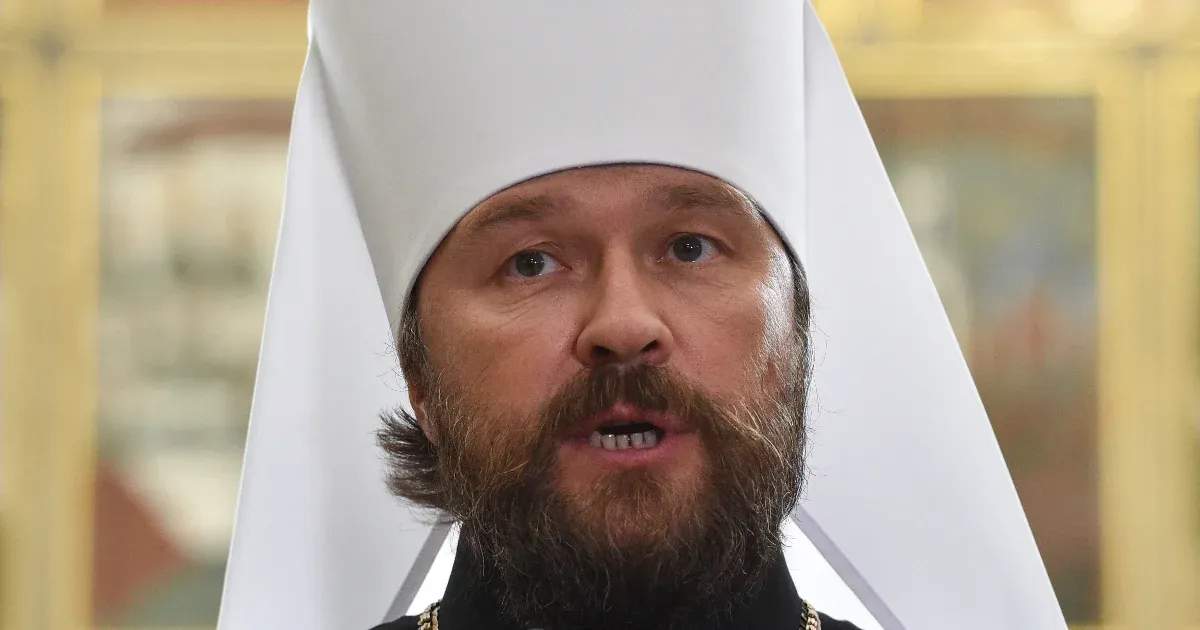
Metropolitan Hilarion (Alfeyev), a prominent figure within the Russian Orthodox Church and former head of the Department for External Church Relations, has been reassigned to a new role in Brazil. This administrative relocation follows a series of high-profile reports concerning a police incident in the Czech Republic involving the discovery of substances in a vehicle associated with the clergyman. The transition marks a significant shift for a figure who, until recently, played a central role in the ecclesiastical diplomacy of the Moscow Patriarchate.
The incident, which gained international attention, involved a routine check by Czech authorities. While initial reports from various media outlets suggested the discovery of illicit narcotics, the situation remains under scrutiny as the church manages the fallout of a public scandal that has reached the highest levels of religious administration. As Metropolitan Hilarion transitions to his new post in South America, observers of international affairs are closely monitoring how this move affects his standing within the Orthodox hierarchy and the broader implications for the church’s diplomatic efforts.
The Czech Republic Incident and Subsequent Reassignment
The controversy began when law enforcement officials in the Czech Republic conducted a search of a vehicle linked to Metropolitan Hilarion. Reports indicate that the search yielded a quantity of a white powder. Following the initial discovery, various news outlets reported that preliminary tests conducted by local authorities identified the substance as cocaine, according to statements provided by regional officials to international news agencies. The incident occurred while the Metropolitan was traveling through the region, an area he has visited frequently for both official church business and personal matters.
Shortly after the reports of the incident surfaced in the European media, the Moscow Patriarchate announced a series of personnel changes. Metropolitan Hilarion, who had previously been serving in Hungary, was officially transferred to a new position in Brazil. The timing of this decision—coming so soon after the police intervention in the Czech Republic—has led to significant speculation regarding the internal disciplinary processes of the church. The Holy Synod of the Russian Orthodox Church, which oversees such appointments, has not released a detailed statement regarding the specific reasons for the transfer, focusing instead on the administrative necessity of his new role in the South American diocese.
Understanding the Role of the Metropolitan
Metropolitan Hilarion (Alfeyev) has long been considered one of the most influential intellectuals within the Russian Orthodox Church. For over a decade, he served as the Chairman of the Department for External Church Relations, effectively acting as the church’s “foreign minister.” In this capacity, he engaged in high-level dialogues with leaders of other Christian denominations, including the Roman Catholic Church and the Ecumenical Patriarchate of Constantinople, as reported by major public broadcasters.
His influence, however, appeared to wane following the onset of the conflict in Ukraine, during which he was moved from his Moscow-based post to the Diocese of Budapest and Hungary. This latest move to Brazil represents a further distancing from the central power structures of the church in Moscow. For many, his career trajectory serves as a barometer for the internal political climate of the Orthodox Church, where personal standing is often tied to shifting alliances and the ability to navigate complex geopolitical landscapes.
Administrative Implications and Public Scrutiny
The incident in the Czech Republic highlights the risks associated with the high-profile nature of church officials who travel internationally. When religious leaders are involved in legal disputes in foreign jurisdictions, the resulting media coverage can create diplomatic complications. In this case, the involvement of local police and the nature of the substance reportedly found have necessitated a careful handling of the narrative by church spokespeople.
While the Metropolitan has not been formally charged with a crime that has resulted in a public criminal conviction as of this writing, the administrative consequences—his removal from his previous post and subsequent relocation—are clear indicators of the gravity with which the church leadership views the situation. The legal process in the Czech Republic remains ongoing, and authorities have indicated that they are following standard procedures for such cases, according to official legal framework guidelines regarding foreign nationals and local statutes.
Key Takeaways
- Relocation: Metropolitan Hilarion has been transferred to a new administrative role in Brazil.
- Incident Details: The transfer followed a police search in the Czech Republic where a substance, identified in reports as cocaine, was recovered from a vehicle associated with the Metropolitan.
- Institutional Response: The Russian Orthodox Church has proceeded with internal personnel changes without providing a public explanation linking the transfer directly to the police incident.
- Current Status: The legal status of the incident remains under the purview of Czech authorities, with no final court adjudication publicly announced.
What Happens Next?
As Metropolitan Hilarion settles into his new responsibilities in Brazil, the focus shifts to whether further information will emerge from the Czech authorities regarding the final results of the forensic analysis and any potential legal proceedings. Church observers will be watching to see if his new role in South America is a permanent assignment or a temporary measure designed to mitigate the impact of the current scandal.
For the public and the global community, this story serves as a reminder of the intersection between religious leadership, international travel, and the reach of local law enforcement. As we continue to track this story, we encourage our readers to look for updates from official press releases issued by the relevant diocesan offices or statements from the Czech police department regarding the closure of the case. We welcome your thoughts on how international institutions should handle such sensitive matters; please feel free to share your perspectives in the comments section below.
Note: This report is based on available information as of the current date. Should new, verified details emerge regarding the status of the investigation or additional administrative actions, this article will be updated accordingly.