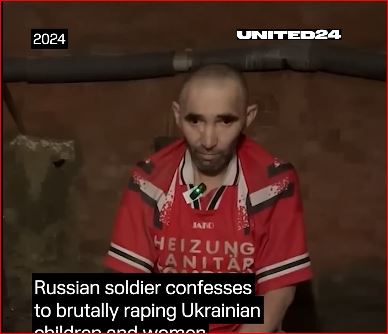
International investigators and human rights monitors are currently reviewing testimony from captured Russian military personnel as part of broader efforts to document alleged war crimes committed during the ongoing invasion of Ukraine. Recent accounts provided by detainees, which include admissions regarding the targeting of civilians and sexual violence, form a segment of the extensive evidentiary record being compiled by Ukrainian authorities and international bodies, including the International Criminal Court (ICC).
According to the Office of the Prosecutor at the International Criminal Court, the systematic documentation of atrocities is a critical component of the ongoing investigation into the situation in Ukraine. Since the escalation of the conflict in February 2022, Ukrainian officials have opened thousands of criminal proceedings related to potential violations of international humanitarian law. The use of prisoner testimony is a standard, albeit complex, aspect of these judicial processes, requiring rigorous corroboration through forensic evidence, witness statements, and digital data.
Documenting Allegations of War Crimes in Ukraine
The legal framework for addressing these allegations is rooted in the Geneva Conventions, which prohibit violence against non-combatants, including murder and sexual violence. The United Nations Independent International Commission of Inquiry on Ukraine has repeatedly stated that it has found reasonable grounds to conclude that Russian forces have committed a wide range of violations, including summary executions and torture. These findings are based on extensive field missions, interviews with survivors, and the analysis of satellite imagery and medical records.
In cases involving admissions by captured soldiers, legal experts emphasize that such statements are only the beginning of a lengthy investigative process. To meet the burden of proof required for international prosecution, investigators must link specific actions to individual perpetrators or command structures. The Organization for Security and Co-operation in Europe (OSCE) has previously noted that the scale of reported atrocities in areas such as Bucha and Irpin necessitates a coordinated international response to ensure that evidence is preserved in a manner admissible in court.
The Role of International Judicial Oversight
The pursuit of accountability involves multiple jurisdictions. While Ukraine’s domestic courts handle the majority of cases involving immediate war crimes, the ICC has issued arrest warrants for high-ranking Russian officials, citing the unlawful deportation of children as a primary charge. The inclusion of testimony regarding sexual violence and the killing of civilians adds to the weight of evidence concerning the conduct of military units operating under the Russian Federation’s command.
Human rights organizations, such as Amnesty International and Human Rights Watch, continue to monitor these developments. These groups stress that the protection of victims and witnesses remains paramount throughout the judicial process. The challenge remains the lack of access to Russian-occupied territories, which limits the ability of international investigators to perform on-site forensic examinations in those specific areas.
Next Steps in the Investigative Process
The next phase of these investigations involves the consolidation of evidence for potential trials at the national and international levels. Ukrainian prosecutors are working in conjunction with the “Atrocity Crimes Advisory Group,” an initiative supported by the United States, the European Union, and the United Kingdom, to enhance the capacity of the Prosecutor General’s Office to document and prosecute these crimes. This collaborative effort ensures that evidence collected on the ground meets international standards for judicial proceedings.
As legal proceedings continue, the international community awaits further updates from the ICC regarding the scope of their investigations. Interested readers can track official developments and public reports through the ICC’s dedicated Ukraine portal. We encourage readers to share this information and contribute to the ongoing discourse regarding the importance of international law and accountability in conflict zones.