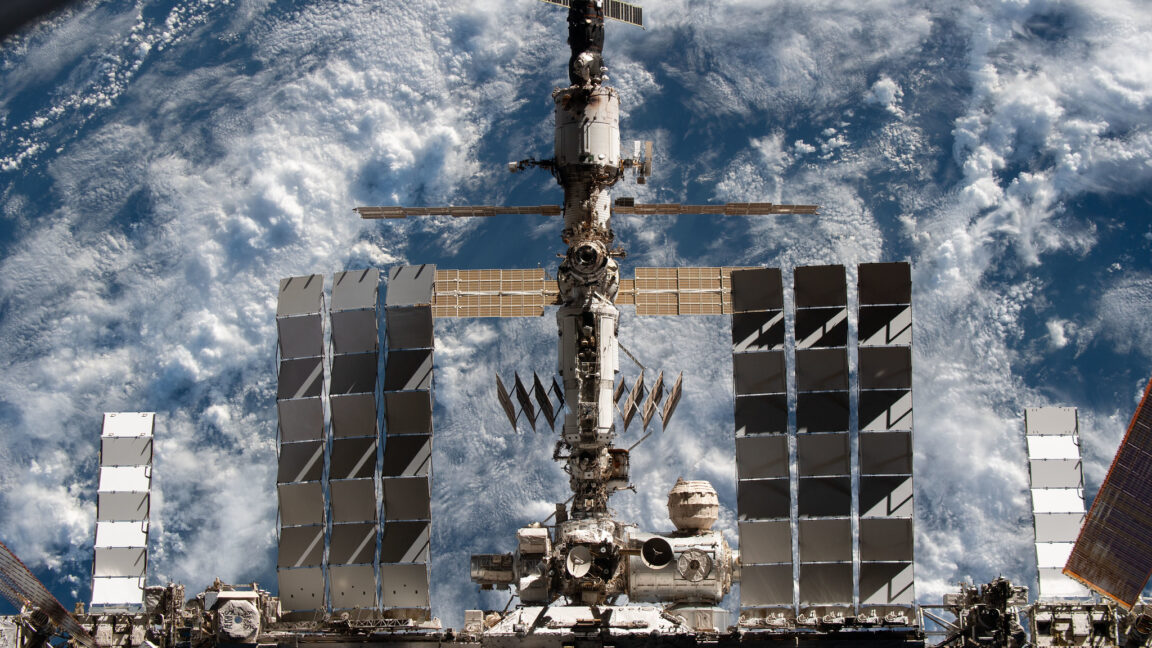
International Space Station Leak Stopped: A Deep Dive into the PrK Module Mystery
Have you ever wondered what it’s like to hunt for microscopic cracks in space? for years, that’s exactly what cosmonauts and engineers have been doing aboard the International Space Station (ISS). A persistent air leak in the Russian segment threatened the station’s operational capacity, prompting a meticulous, years-long examination. Now, it appears the leak has finally stopped. But what caused it, how was it found, and what does this mean for the future of the ISS? Let’s explore the details.
the Elusive Leak: A Growing Concern
The source of the problem resided within the PrK module, a small transfer tunnel connecting the Zvezda service module to a docking port used by Progress spacecraft. This critical component experienced microscopic structural cracks, slowly venting the ISS’s atmosphere into the vacuum of space.
Initially, the leak was manageable. Though, in 2024, the rate of atmospheric loss doubled, escalating the situation to a “high likelihood, high consequence” risk, as flagged by NASA officials. This meant a potential threat to the safety of the crew and the long-term viability of the station. Maintaining cabin pressure is paramount for astronaut health and the functionality of onboard experiments.
The Hunt for the Invisible: How the Leak Was Located
Finding the source of the leak was a monumental task. Imagine searching for a needle in a haystack… in space! Russian cosmonauts employed a painstaking process:
* Hatch Isolation: They woudl seal off the PrK module, isolating it from the rest of the ISS.
* Dust Detection: Upon reopening the hatch, they meticulously searched for tiny accumulations of dust – a telltale sign of air escaping through the cracks.
* Sealant Submission: Once a leak was identified, cosmonauts applied a specialized sealant called Germetall-1. This sealant, recently patented by a Russian rocket firm, is designed to withstand the harsh conditions of space.
* Repeat & Monitor: The process of sealing, monitoring pressure, and searching for new leaks was repeated countless times over several years.
This methodical approach, while slow, proved crucial in pinpointing and addressing the numerous microscopic fissures. The dedication of the cosmonauts and ground control teams was truly remarkable.
Leak Stopped: NASA confirms Stability
Recently, reports began circulating that the leaks had ceased. NASA has now officially confirmed this positive development.
“Following additional inspections and sealing activities, the pressure in the transfer tunnel attached to the Zvezda Service Module of the International Space Station, known as the prk, is holding steady in a stable configuration,” stated NASA spokesperson Josh finch.
While the situation is stable, NASA and Roscosmos are continuing to monitor the PrK module closely for any potential future changes. This ongoing vigilance is essential to ensure the long-term integrity of the station.
What Does This Mean for the ISS?
The prosperous mitigation of this leak is a significant win for the ISS program. it demonstrates the resilience of the station and the collaborative spirit of international space exploration.However, it also highlights the challenges of maintaining a complex orbiting laboratory for extended periods.
* Aging Infrastructure: The ISS is an aging spacecraft, and components are naturally subject to wear and tear.Expect more maintenance challenges as the station approaches its end-of-life date (currently planned for 2030).
* micro-Meteoroid Impacts: The space surroundings is harsh, and the ISS is constantly bombarded by micro-meteoroids and orbital debris. These impacts can cause structural damage, potentially leading to leaks.
* Importance of Sealants: The effectiveness of germetall-1 underscores the importance of developing robust materials for space applications. Future spacecraft will rely on similar technologies to ensure safety and reliability.
beyond the PrK module: Understanding ISS Life Support
The PrK leak is just one example of the complex life support systems required to sustain human life in space. Here’s a quick overview of key components:
* Atmosphere Revitalization: Systems remove carbon dioxide and replenish oxygen.
* Water Recycling: Advanced systems recycle wastewater into potable water. Did you know the ISS recycles approximately 93% of its water?
Keep reading