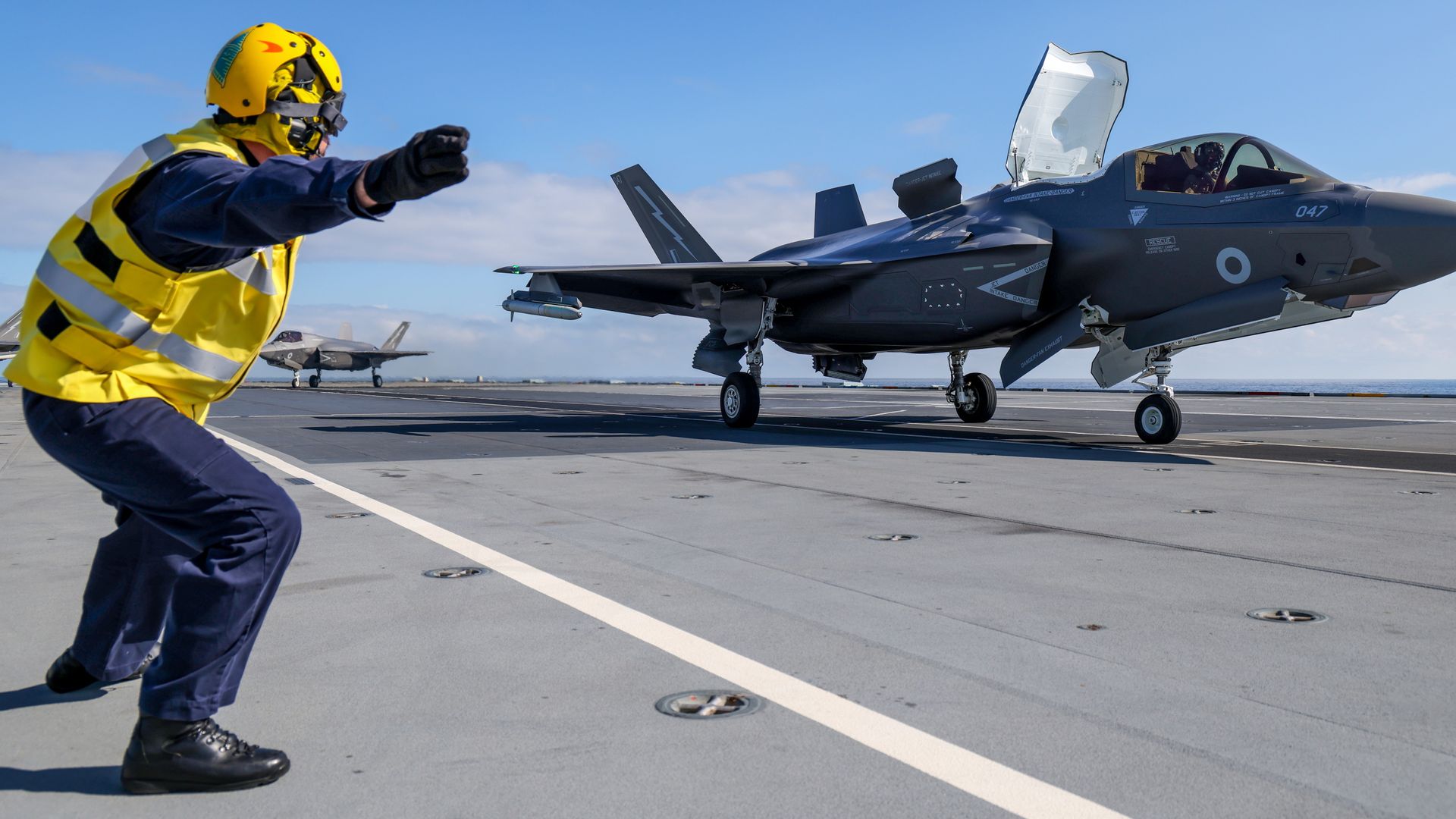
A Russian aircraft deployed dozens of sonar devices in the path of a British aircraft carrier, prompting the Royal Air Force to scramble fighter jets in response to the encounter. The incident occurred as the UK flagship operated in international waters, according to reports of the interaction between the two nations’ military assets.
The deployment of sonar trackers is viewed by defense analysts as a tactic to harass the warship and monitor its movements. This encounter marks another escalation in the frequent aerial and maritime frictions between Russian long-range aviation and NATO forces in the North Atlantic and Baltic regions.
The Royal Navy’s flagship carrier, designed for power projection and strike capabilities, was the primary target of the maneuver. The rapid response from the RAF indicates the level of alert maintained by UK forces during high-stakes maritime deployments.
How the sonar tracker deployment affected the Royal Navy
The Russian spy plane released tens of sonar devices directly into the water ahead of the aircraft carrier’s trajectory. These devices, often referred to as sonobuoys, are designed to detect underwater acoustic signatures, allowing the deploying aircraft to track the location, speed, and type of vessels operating beneath the surface.
While sonobuoys are standard tools for anti-submarine warfare (ASW), dropping them in the immediate path of a surface fleet is considered a provocative act of harassment. According to maritime security protocols, such actions can interfere with the carrier’s own sensor arrays and force the vessel to alter its course or speed to avoid potential hazards.
The UK’s response involved the immediate launch of RAF fighter jets to intercept the Russian aircraft. This “scramble” is a standard operational procedure used to escort foreign military aircraft out of sensitive areas or to signal that the intruder’s presence has been detected and countered.
Why Russia uses spy planes for maritime harassment
Russia frequently employs long-range reconnaissance aircraft, such as the Tu-140 or Il-38, to monitor NATO naval movements. By deploying sonar trackers, the Russian military gains real-time intelligence on the carrier strike group’s composition and the presence of escorting submarines.

These maneuvers serve two primary purposes: intelligence gathering and psychological signaling. By operating close to a flagship carrier, Russia demonstrates its ability to penetrate NATO’s outer defensive perimeters. The use of physical trackers in the water adds a layer of direct confrontation that goes beyond simple radar tracking.
This pattern of behavior aligns with broader Russian military strategy in the “Grey Zone”—activities that remain below the threshold of open conflict but are designed to destabilize and intimidate adversaries. The Royal Navy frequently reports similar encounters during deployments in the North Atlantic, where Russian submarines and aircraft regularly shadow Western fleets.
The strategic impact of RAF intercepts
The decision to scramble RAF fighter jets is a calibrated response intended to prevent the Russian aircraft from gathering further intelligence or continuing its harassment. Intercepts allow the UK to maintain “air sovereignty” and provide a physical deterrent against more aggressive maneuvers.
Defense experts note that the speed of the RAF response is a key metric in demonstrating readiness. The ability to put jets in the air within minutes of a detected intrusion prevents the Russian aircraft from operating with impunity. These intercepts are often recorded and shared by the Ministry of Defence to provide transparency regarding Russian activity in international airspace.

The interaction highlights the ongoing tension between the two nations, where the aircraft carrier serves as a symbol of British global reach and the Russian spy plane acts as a tool of strategic disruption. The use of sonar devices specifically targets the carrier’s most vulnerable aspect: its reliance on undetected underwater support and its sensitivity to acoustic interference.
For further updates on maritime security and international military encounters, official statements can be monitored via the UK Ministry of Defence.
The next confirmed checkpoint for naval readiness assessments will be the upcoming scheduled NATO maritime exercises in the North Atlantic. Please share your thoughts on these strategic encounters in the comments below.